
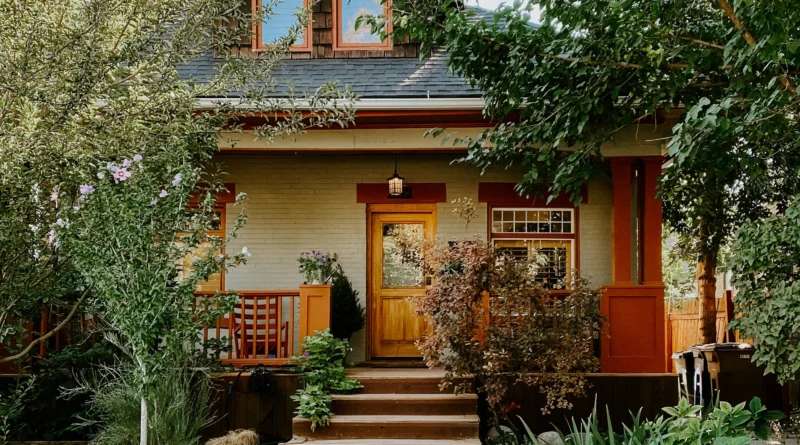
Are Popular House Styles Changing Over Time
The look of homes tells a big story about when they got built. Think of the cozy Craftsman bungalows from the early 1900s. Now picture the clean modern farmhouses we see today. These popular house styles mirror what society cares about. They also show what materials are easy to get and how the economy is doing. For folks like architects, designers, and real estate pros, watching these changes helps guess what buyers might like next. In the next parts, we’ll dig into how and why these styles shift. We’ll cover what makes them catch on. Plus, we’ll see how tech and green living are changing design picks. Oh, and sometimes a random neighborhood tour can spark fresh ideas on this—I’ve heard builders say that a lot.
What Factors Drive Changes in Popular House Styles?
House styles don’t switch up all at once. They grow slowly. This happens through a blend of culture, money matters, and new tech. If you check out neighborhoods from years ago versus now, the spots look different. Those differences share tales of what folks prized back then. For example, in my chats with old-timers, they often point to how post-war booms made everything feel spacious and new.
Cultural Influence and Lifestyle Shifts
Cultural likes often guide building trends. Back in the middle of the 1900s, open floor plans got big. Families craved spots to hang out together. They didn’t want rooms cut off from each other. These days, people want home offices or rooms that do double duty. This comes from more folks working from home. TV shows and sites like social media speed this up. They show off certain looks that catch on fast across the country. Take HGTV renos—they’ve made shiplap walls a must-have for many, even if it feels overdone in some spots.
Economic Conditions and Material Availability
Good times or tough money spells leave clear signs on home designs. In boom years, like the 1950s after the war, suburban ranch homes popped up everywhere. Cheap land and factory-made stuff helped that along. But when money’s tight, like in recessions, homes get smaller. People pick simple setups over fancy extras. What materials are around also shapes what’s possible or cheap to build in big numbers. Steel frames or fake siding, for instance, open doors to styles that weren’t doable before. Stats show that during the 2008 crash, new builds shrank by about 20% in size on average.
Technological Innovation in Construction
Tech doesn’t just change building methods. It alters how homes appear too. Ways to make parts ahead of time lead to steady but tweakable designs. 3D printing starts to play a role in small home projects. Smart home setups have nudged inside layouts. They make room for wires and tools to handle energy that weren’t around much 20 years back. Builders I know say this has made wiring less of a headache, letting rooms flow better.
How Have Historical Periods Influenced Modern Design Trends?
Every building time leaves bits that later folks tweak instead of tossing out. You can follow lots of today’s choices back to old shapes. People redo them with fresh materials or what fits now. It’s like borrowing grandma’s quilt but patching it with new fabric—keeps the warmth but updates the feel.
Colonial Revival and Traditional Appeal
Colonial Revival homes stick around. They feel homey and tied to the past. Even fronts, peaked roofs, and window covers scream steady and safe. Homeowners chase that vibe when things feel shaky. Builders tweak these with open insides or green stuff. But they keep the classic outlines. In places like the East Coast, you see this in 30% of new traditional builds, per some real estate reports.
Mid‑Century Modern Simplicity
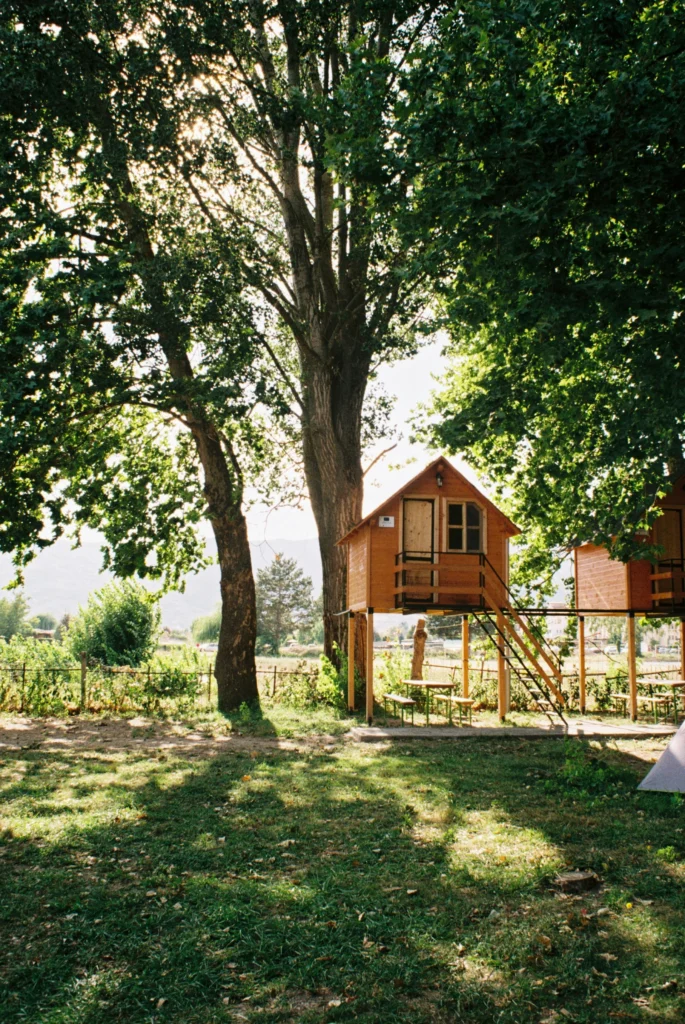
The straight lines and big glass in mid-century modern homes draw people who like simple living and ties to the outdoors. New houses grab this style’s love for light and easy movement. But they swap in green mixes instead of the old aluminum or exotic woods that stars like Eichler or Neutra picked. It’s practical—those old woods are hard to source now without eco hits.
Contemporary Blends of Old and New
Today’s “transitional” look mixes bits from different times. Picture farmhouse outsides with factory-style lights. Or old brick with dark metal windows. This mix shows a pull to old skills and excitement for new ideas. Many homeowners dig this mix in our quick world. It balances the cozy past with forward steps, and honestly, it makes flipping through design mags way more fun.
Why Are Sustainable Features Redefining Popular House Styles?
Going green has jumped from a side thing to a must in home building. Buyers want homes that save energy and look good. This flips what people call a top design in spots around the globe. Surveys from places like the U.S. Green Building Council note that 70% of buyers now ask about eco features first.
Energy Efficiency as Design Foundation
Rules on energy nudge builders to seal homes tight. They add thick windows and better padding. All this tweaks outside sizes and roof shapes. How the sun hits matters for solar setups. It changes where windows go. Ways to heat without power push for wider shade or high windows. These used to show up mostly in dry spots. Now they fit even in mild areas. In hot states like Arizona, this has cut cooling bills by half for many new homes.
Renewable Materials and Local Sourcing
Stuff like bamboo floors, reused wood supports, or recycled metal aren’t just green nods. They mark a style that’s kind to the earth. Pulling stone or clay from nearby cuts shipping waste. It adds a local flavor that big factories often wipe out. Designers now spotlight these bits as part of what makes a home special. They don’t hide them under fake covers. One builder shared how using local oak in a project saved 40% on costs and made the place feel truly rooted.
Integration of Smart Green Technologies
Clever thermostats, water reuse setups, and sun panels blend tech with earth-friendly aims. They don’t hurt the looks. The trick is to tuck tech parts into a smooth whole. This way, green living seems part of the flow, not clunky machines. This trend hits fancy custom spots and regular suburbs the same. It’s spreading fast, especially with apps that track your home’s energy use daily.
How Do Regional Preferences Affect the Evolution of House Styles?
Weather, land, and local ways make sure no one trend rules all spots. Area differences keep building varied. Even when worldwide media pushes the same looks—like plain gray colors or big kitchens—places stay unique. Regional tweaks add that personal touch, like how Texas homes often nod to cowboy roots even in modern twists.
Climate‑Responsive Architecture
In beach zones hit by storms, high bases or storm covers shape the look as much as safety does. Dry lands like flat roofs with edges. Mountain spots go for sharp slopes to shake off snow. These smart fixes turn into style marks known way outside their start points. For instance, Florida’s raised designs now pop up in hurricane-prone spots worldwide.
Cultural Heritage Preservation
Towns tweak new ideas but hold onto their roots. Think Spanish Colonial touches in the Southwest. Or Victorian bits kept in New England spots, even with fresh insides. This keeps folks linked to their area. It lets slow updates happen, not sudden swaps of old ways. It’s heartwarming—preserves stories in the walls.
Urban Versus Rural Aesthetic Divergence
City fill-ins go for tight modern due to little space. Country builds spread out like old farmhouses or cabins. Even in one area, rules and how people live create different takes on fresh living. This keeps things lively for designers who focus on city or country needs. Urban spots might squeeze in 1,200 square feet, while rural ones stretch to 2,500 easily.
Are Digital Platforms Influencing Consumer Taste in Architecture?
Online stuff has flipped how people pick house looks. This starts way before talking to a designer or agent. Web pictures set what folks expect. They shape wants across markets quick. Trends from other countries or TV shows on fancy fixes spread in a flash. Platforms have made it so a viral post can boost a style’s sales by 25% in months, from what I’ve read in industry blogs.
Social Media Inspiration Cycles
Sites like Instagram or Pinterest speed up style turns. They like pretty spaces. White wood panels one year, then dark cooking areas the next. This makes loops between trend-setters, builders, and sellers. They hurry to match what people see and want. It’s a whirlwind—sometimes trends fizzle as fast as they flare.
Virtual Tours and Visualization Tools
Better 3D pictures let buyers check plans hands-on before building starts. This cuts fears about odd setups. Like split levels from old mid-century days coming back. You can walk through virtually and spot if the light hits the kitchen right—super helpful for picky folks.
Data Analytics Guiding Design Decisions
Big builders use search info to guess likes. A jump in looks for “Scandinavian simple” might make local teams change what they offer. This quiet push comes from online habits, not old polls. It’s smart—keeps designs fresh without guessing games.
How Will Future Technologies Shape Emerging House Styles?
To peek 20 years ahead, think beyond looks. Consider limits on stuff and how people groups change where they settle. Tech will mix with daily needs in ways we barely see now. Imagine homes that adjust shades automatically—practical magic.
Modular Construction Growth
Ready-made parts put together on site cut wait times. They let mixes that fit. Great for tight city spots where custom meets quick work. In Europe, modular homes already make up 15% of new builds, and that’s growing here too.
Adaptive Reuse of Existing Structures
As towns grow up, turning old warehouses to lofts or schools to flats saves cash and helps the planet. This reuse turns into its own look. It celebrates bare brick or fixed-up wood. It’s eco-smart and gives character—beats tearing down every time.
Integration of AI‑Driven Design Tools
Smart math models help designers now with room flow. Later ones might suggest whole outsides that shift with sun over months. This joins creative picks with number crunching. It could mark the next wave of clever building. Architects say it’s like having a super assistant that never sleeps.
FAQ
Q1: What defines a popular house style today?
A: It mixes ease with bendy spaces. Open areas suit everyday life. Plus, set spots for home jobs. And it adds green bits like good padding or earth-friendly stuff.
Q2: Why do older architectural styles keep returning?
A: Known shapes bring warm feelings. Makers redo them with now ways. So old comfort fits today’s wants. It doesn’t seem old-hat.
Q3: How does climate change influence residential design?
A: Hotter weather speeds up shade tools, shiny roofs, and air flow plans. These shape looks along with how well they work.
Q4: Are minimalist interiors still dominant?
A: Simple stays big but eases to “cozy simple.” It blends real feels with plain lines. Not the bare look from 2000s books.
Q5: What role will automation play in future homes?
A: Auto will go past easy use to guess fixes. Sensors watch home health. It’s a hidden change that flips daily home life.