
Modern vs Classic Popular House Styles Which Is Better
The argument over modern and classic house styles has gone on for many years. Each kind brings its own building ideas, looks, and emotional pull. When you pick a home’s design, you choose not just its appearance but also how it feels to stay in. This piece looks at the main differences between these two common house styles. It covers their good points and how they fit various ways of living and current market shifts.
What Defines Modern House Styles?
Modern house styles stand out with their straightforwardness, usefulness, and stress on wide-open areas. They usually go for sharp edges and very little extra decoration. You will see that modern homes put a lot of weight on natural light. They do this with big glass windows. Open floor plans link living spots without breaks. The choice of stuff like steel, concrete, and glass gives them a smooth look.
Minimalist Design Philosophy
Modern building sticks to the idea that shape comes from purpose. Every part has a job. There is not much space for extra frills. This way of designing draws in folks who like neatness and clearness in their home. Homes feel roomy, even if the size is small. For example, a small city apartment can seem bigger thanks to smart layouts. I recall a friend who moved into one, and it totally changed how they used the space daily.
Integration With Nature
A key sign of modern homes is the link between inside and outside spots. Big sliding doors lead to yards or gardens. This mixes the areas together. It helps with fresh air flow and sunlight. Plus, it cuts down on fake lighting or cooling needs. In places like California, where weather is nice most days, this setup saves on bills—think about 20% less energy use in sunny spots.
Use of Innovative Materials
Modern houses pick fresh materials like strong concrete or man-made wood. They do this for solid build and green living. These picks work for lasting strength and earth-friendly goals. They match today’s push for less waste. Builders often say these materials hold up better in tough weather, based on years of real-world tests.
Why Do Classic House Styles Remain Popular?
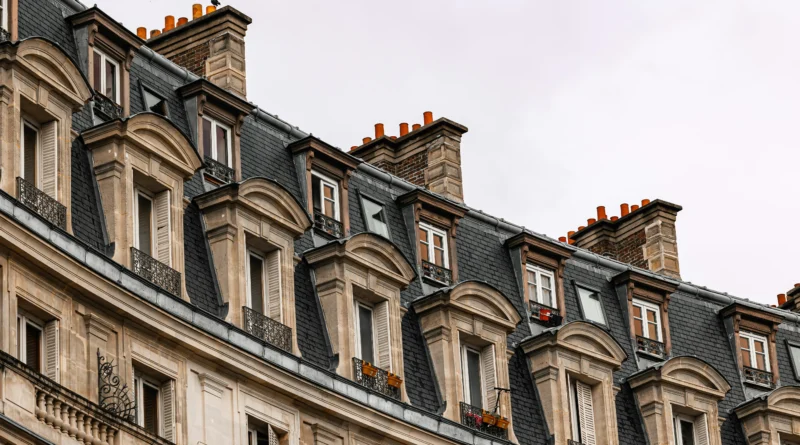
Classic house styles stay in demand because they bring back old ways, skilled work, and ease. Lots of owners see deep feelings in plans that show family roots or past buildings. From Victorian to Colonial Revival homes, these builds share tales through small touches like edges, curves, and posts.
Emphasis on Ornamentation
Classic homes welcome fancy bits such as detailed borders, wall covers, or patterned outsides. These parts add visual depth. That stands out against modern plainness. For many, this touch of skill makes a house seem more like their own and built to last. Take an old Victorian house I toured; the carved doors alone made it feel alive with history.
Historical Influence
Each classic style pulls from set times. Think Georgian balance or Tudor rough charm. This gives a sense of culture that modern plans sometimes miss. Such ties help a place feel settled in its spot, not like a test run. In neighborhoods with old trees and streets, these homes blend right in, boosting that cozy neighborhood vibe.
Warmth and Familiarity
Classic insides often use soft color choices, old-style chair setups, and snug feels like wood covers or rock hearths. These bits build a welcoming air good for home life with kids. Families gather around those fireplaces on cold nights, creating memories that stick.
How Do Modern and Classic Styles Differ in Functionality?
How well a home works in everyday tasks sets how it aids real life. Both kinds can change to fit new wants. Yet their setups show different focuses.
Space Utilization
Modern setups like open ideas where cooking areas lead right into sitting rooms. No walls split them. This openness boosts chats among people. But it might cut back on alone time. Classic homes go for clear rooms with doors or curves. That suits those who want set areas for different jobs. In a busy family, separate bedrooms mean less noise during homework time.
Energy Efficiency
Modern houses add green tech like sun panels or thick window covers. These lower power use. Classic houses can get the same updates. However, old build ways might limit how easy that is. New builds often hit 30% better scores on energy tests compared to untouched classics, per recent builder reports.
Maintenance Requirements
Classic homes need more care. This comes from fancy outsides or worn stuff like soft walls or wood roof bits. Modern homes ask for less fixing. They have plain faces and tough covers made to last long. Over 10 years, owners of classics might spend twice as much on upkeep, from what I’ve seen in local real estate chats.
Which Style Adds More Real Estate Value?
A home’s sell price ties closely to where it sits and what buyers like. Style alone does not rule it. Still, some trends show up in different areas.
Market Appeal Trends
In city spots full of young folks, modern looks pull strong interest. They draw with fresh charm and low-energy perks. In outer town areas, classic views win out. They match local ways. Data from last year’s sales shows modern homes selling 15% faster in downtowns.
Customization Potential
Modern homes give bendy insides. They switch easy for new gadgets or life shifts. That helps keep worth up over time. Classic spots build value by fixing up old work. Buyers pay extra for kept history skills. A restored Colonial can jump in price by 25%, especially in historic zones.
Long-Term Durability
Both kinds last if made right. Modern building stresses new strong ideas with weather-proof stuff. Classic building counts on old tried ways that beat time. Either way, good care keeps them standing for generations, like those family homes passed down.
How Does Lifestyle Influence Your Choice?
Your usual routines play a big role in picking the right design.
Family Dynamics
Groups with kids may pick classic setups. They offer private rooms for calm study spots. Alone people or pairs often choose modern wide areas. These work well for hosting friends or home office setups. Picture a couple working from home—they love the flow without closed doors.
Personal Aesthetic Preference
Some do best in simple spots with no mess. Others like fancy surrounds full of old items gathered through years. It’s all about what makes you smile when you walk in. One person might add plants to modern lines for a softer feel.
Environmental Awareness
If green living matters to you, modern plans fit better. They mix in earth-smart tools like smart heat controls or sun-facing builds. These beat older models without big changes. In fact, new homes can cut water use by half with simple rain systems.
Can You Blend Modern and Classic Styles Successfully?
Mixing both ways leads to what pros call transitional building. It balances new ideas with old comfort. This draws in many kinds of people.
Architectural Harmony
Pairing straight lines with old stuff like bricks or logs creates smooth ties. It joins past charm with today’s ease. No clashing views. A house with modern glass but brick walls feels just right in a mixed neighborhood.
Interior Design Fusion
In these mixed homes, you could spot new chairs next to old edges. Or plain walls with classic lights. This setup seems picked with care, not jumbled. It adds a personal touch that buyers notice right away.
Market Adaptability
Transitional plans do great in house sales. They pull in fans of modern speed and classic snugness. It’s a smart, good-looking way to invest. Sales numbers back this—blended homes often list higher in varied markets.
FAQ
Q1: What Are the Main Differences Between Modern and Classic House Styles?
A: Modern styles emphasize minimalism, open layouts, and innovative materials; classic styles highlight ornamentation, symmetry, and historical influences.
Q2: Which Style Is More Energy Efficient?
A: Generally speaking, modern homes integrate energy-saving technologies more easily than older classic ones unless those are renovated extensively.
Q3: Do Classic Homes Cost More To Maintain?
A: Yes, they often require higher maintenance due to detailed craftsmanship elements such as wood trims or plaster finishes needing periodic care.
Q4: Can Modern Houses Feel Cozy Like Traditional Ones?
A: Absolutely—using warm lighting schemes, textured fabrics, or natural wood accents can soften the sleekness typical of modern interiors.
Q5: Which Style Offers Better Resale Value?
A: It depends on regional demand; urban buyers lean toward modern efficiency while suburban markets still prize timeless classical appeal.