
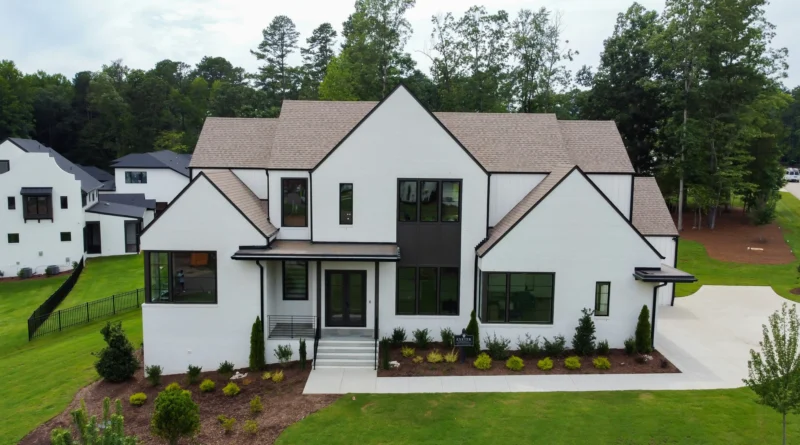
How To Choose Between Types Of House Styles
Selecting among various house styles can feel thrilling yet daunting. Each building approach brings its unique tale, look, and everyday uses. If you plan to construct a new place or purchase an old one, your pick will mold the house’s outer vibe and how it works for your daily routine. This piece looks at main questions that experts pose when checking out house styles. It aims to guide you toward a solid decision. That choice mixes visual charm with smart building sense.
What Factors Should Influence Your Choice of House Style?
Picking a house style involves more than just what catches your eye. You need to think about weather patterns, spot on the map, money limits, and your own ways of living. For example, a Cape Cod house seems cozy in New England spots. But it might look odd in dry desert areas. In the same way, a Mediterranean-style villa suits bright seaside spots. Yet it could fail in chilly northern zones.
Climate and Environmental Conditions
The local weather shapes the best building shape a lot. Take a Craftsman bungalow. Its broad overhangs block sun in warm spots. On the other hand, Colonial houses have sharp sloped roofs. These help push off heavy snow. The building stuff—like brick, stucco, or wood—impacts how well it keeps heat in or out. It also affects how much you spend on fixes later. I recall a friend in Texas who skipped wide eaves. His home turned into a hotbox during summer, forcing him to crank the AC all day.
Budget and Construction Costs
Each style comes with its price tag. Modern houses with wide-open setups often need strong steel or thick concrete bases. These choices bump up the bills. Ranch-style houses, though, stay cheaper. They use a one-floor plan and basic roof shapes. From what I’ve seen in building reports, you can save 15-20% on costs with a simple Ranch over a fancy Modern one. But always get quotes from local builders to check real numbers for your area.
Lifestyle and Functional Needs
Picture your normal day. Open-plan Modern Farmhouses suit families who enjoy shared areas. They let everyone hang out together easily. Victorian houses provide many separate rooms. These can turn into work spots or guest nooks. That’s perfect for folks working from home or big families. If you cook a lot and host dinners, an open kitchen-living combo beats walled-off spaces every time.
How Do Traditional House Styles Differ From Modern Ones?
Old-school and new house styles split in looks and core ideas. Classic homes draw from past times and skilled handwork. Newer ones stress easy shapes and real use. It’s like comparing a storybook castle to a sleek toolbox—both shelter you, but one feels like a hug from history.
Architectural Design Features
Classic building often shows fancy trim, balanced fronts, and slanted roofs. New styles go for straight edges, smooth surfaces, and big window walls. These mix inside and outside views smoothly. In my view, the glass walls in modern spots make small yards feel huge, which is a game-changer for city lots.
Materials and Construction Techniques
New homes use metal frames, solid concrete floors, and green stuff like reused wood or bamboo. Classic types stick to brick layers or wood beams that show local skills. Builders today mix both—say, a traditional brick outside with modern steel inside for strength. This combo keeps costs down without losing that old charm.
Space Layout and Interior Flow
Old plans split rooms by purpose. You get a fancy eating room or sitting area. New setups blend areas for smooth walks. This matches how people live now, favoring casual hangs over stiff rules. Families tell me they love not yelling across walls to chat during meals.
Why Does Regional Architecture Matter When Selecting a Style?
Local building styles grow from weather tweaks and old customs. Picking one that fits your area’s ways boosts ease and sale price. It also honors the neighborhood’s feel. Ignoring this can lead to a home that fights the land, like a snow-magnet roof in a rainy spot.
Climate Adaptation Strategies
Dry-area houses use fat adobe walls to steady temps inside. Seaside shacks sit on high bases to dodge water floods. These bits aren’t mere looks. They stem from smart fixes passed down through years. In Florida, raised homes saved folks during hurricanes—think of the 2018 storms where low ones got wrecked.
Cultural Heritage and Local Identity
Buildings share tales of where they stand. A Tudor Revival place in England calls up old knight times. A Spanish Colonial in California mixes early settler ways with local stuff. It’s fun to walk a street and see how each house nods to the past, making the block feel alive.
Building Codes and Community Standards
Town rules might limit roof angles or outside coats to keep the area’s look steady. Check these laws early in your plan. One time, a couple I know ignored codes in a historic district. They had to redo their whole front, costing extra thousands.
Which Popular Types of House Styles Are Worth Considering?
When weighing house styles, match them to what you need. Skip trendy picks that don’t fit your life. Focus on ones that last and feel right.
Colonial Style Homes
Colonial houses shine with even shapes. They span two floors, with doors in the middle and windows spaced just so. Add classic touches like shades or brick sides. They give a lasting grace that fits suburb streets well. Many from the 1700s still stand strong, proving their build quality.
Ranch Style Homes
Ranch houses stretch out low on big yards. They have gentle roof slopes and free-flow insides. These work great for older owners or families who hate steps. No upstairs means easy moves, and attached garages add handy storage. In the Midwest, they’re everywhere because flat land suits them perfect.
Modern Farmhouse Style Homes
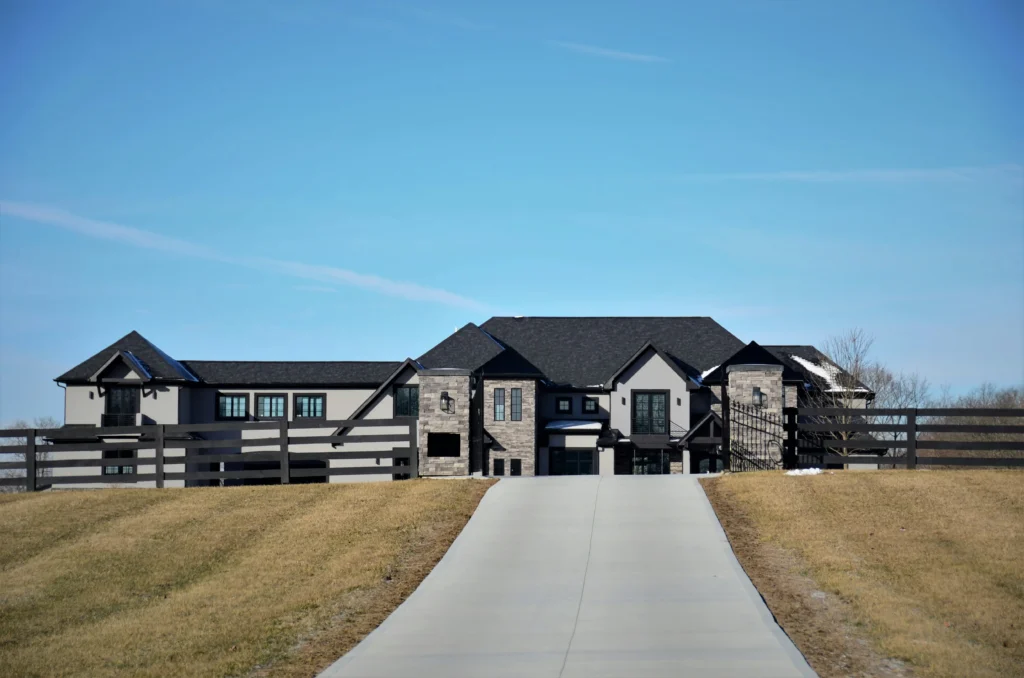
The modern farmhouse mixes country feel with simple edges. Think white boards, dark frames, raw beams, and smooth touches. Homeowners pick it for cozy vibes without mess. It’s hot now, but the style nods to farm roots, like big porches for evening sits.
How Can Sustainability Influence Your Choice of Home Design?
Green living isn’t hype. It’s changing how homes get built around the world. Smart buyers now rank power savings right up with good looks. Plus, with energy bills rising, it’s a wallet saver too.
Energy Efficiency Features
Sun panels on flat modern roofs cut power costs a bunch over years. A 2023 U.S. Department of Energy report shows big drops in bills. Good wall stuff also trims heat needs by up to 30%. In sunny states like Arizona, these setups pay back in five years flat.
Use of Eco-Friendly Materials
Old wood floors or reused metal tops cut trash heaps. They add rough feel inside too. Builders grab local goods now to shrink truck fumes. It’s common in Pacific Northwest spots, where timber is plenty, keeping things green and cheap.
Long-Term Maintenance Considerations
A green house cuts fix jobs over time. Metal roofs hold 40–70 years, way past asphalt’s 20 (National Association of Home Builders data). This long life makes up for start costs with fewer swaps. Owners share stories of zero leaks after decades, unlike shingle woes.
What Role Does Personal Aesthetic Play in Choosing a House Style?
Pros stress work side of home picks, but your own likes drive joy in the end. Taste ties into how the place feels like yours.
Emotional Connection With Design Elements
Folks often warm to old Craftsman decks or calm Mid-Century glass facing trees. That pull shapes daily comfort. It’s personal—like picking a favorite chair that just fits.
Harmonizing Exterior With Interior Design
Link outside build to inside setup for smooth views. A Victorian front with bare-bones rooms might clash. Fix it with shared colors or stuff flows. Designers say neutral tones bridge gaps best, keeping the whole house united.
Resale Value Linked to Visual Appeal
Houses with steady styles sell quick. Buyers get the vibe right away. Zillow’s 2022 housing trends report notes “modern farmhouse” spots moved 10% faster than usual nationwide (Zillow Research Center). In hot markets like Texas, curb appeal alone boosts offers by 5-7%.
FAQ
Q1: What Is the Most Popular House Style in the United States?
A: The Ranch style stays one of the top picks for its easy build and fit in many places (National Association of Realtors report). It’s practical and spreads wide.
Q2: Are Modern Homes More Expensive Than Traditional Ones?
A: Yes, in most cases. New designs call for high-tech stuff like metal beams or wide glass setups. These jack up build prices over old wood frames. But long-run savings on energy can even it out.
Q3: Which House Style Is Best for Hot Climates?
A: Mediterranean or Spanish Colonial houses do well. Their plaster outsides bounce back heat. Tile tops let air move under, cooling things down. In places like Southern California, they’ve cooled homes for ages.
Q4: How Do I Match My Lifestyle With an Architectural Style?
A: Look at your habits. If you have lots of guests, pick open flows. For quiet alone time, go with roomy old plans. Test it by sketching your day in the space.
Q5: Does Choosing an Uncommon Style Affect Resale Value?
A: Odd picks draw special buyers but shrink the pool. Mix your flair with local likes for best sell odds (Realtor.com market insights 2023). In quirky areas like artsy towns, unique can shine, though.