
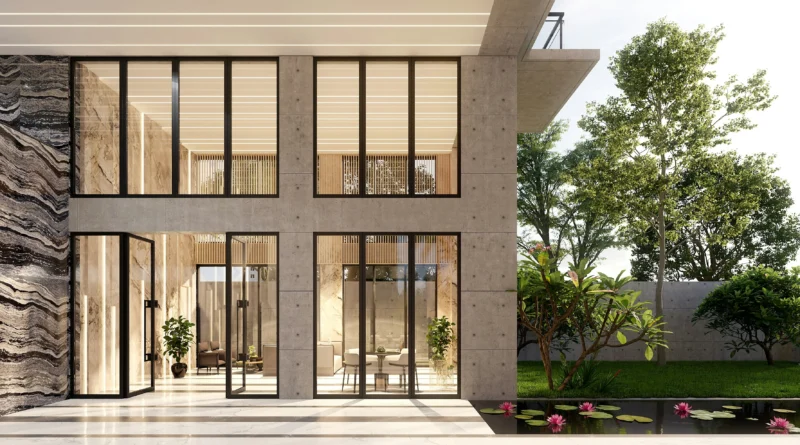
Types Of House Styles vs Architectural Styles What Is The Difference
The field of home design has plenty of words that people mix up easily. Folks often swap terms like types of house styles and architectural styles. They might seem the same at first glance. But really, they point to separate parts of a home’s look and feel. If you work in real estate, building, or design, getting this straight matters a lot. It lets you explain ideas clearly. Plus, it helps steer people to houses that fit their likes and money plans.
What Defines House Styles?
People usually mean the basic look and setup of a house when they say “house style.” This isn’t about deep building ideas. Instead, it comes from things you can spot right away. Think roof lines, window shapes, outside walls, and little extras. These show how folks lived back then or in that area. For example, in my view, it’s like how a cozy neighborhood feels welcoming just from the front yards.
Visual Characteristics and Curb Appeal
House styles focus on what catches your eye from the road. That includes the front side, paint colors, edge work, and even balance. Take Colonial homes. They have even windows and a middle door that feels steady. Craftsman houses show off open roof beams and handmade wood bits. These touches boost that first impression. They help buyers feel a pull toward the place. I remember walking by one Craftsman and thinking how those details made it feel like a hug from the past.
Influence of Culture and Geography
Local ways and places shape house styles a ton. Near the ocean, you see Cape Cod or Beach Cottage setups. These handle breezes and sea air well. Out in dry spots, Pueblo Revival or Mid-Century Modern pops up. They use flat tops and cool patios to beat the heat. Weather pushes these picks more than fancy art thoughts. It’s practical, you know? Like how in Texas, folks pick styles that shade the sun without much fuss.
Evolution Over Time
House styles change as tools get better and daily life shifts. Open rooms took off in the 1990s. That matched folks wanting relaxed hangs. Now, the modern farmhouse mixes old barn vibes with simple insides. It keeps the heart but fits new ways. This blend shows how styles grow without forgetting where they started. Over 30 years, I’ve seen ranches turn into these hybrids in suburbs everywhere.
How Do Architectural Styles Differ?
Architectural style goes beyond just the outside prettiness. It shows the main building idea and thinking behind it. House style sticks to looks. But architectural style covers how the shape fits the use. It’s the solid frame under the nice surface.
Structural Principles and Design Philosophy
These styles come from big pushes by builders who shake things up. Modernism likes plain forms and skips fancy bits for straight lines and big areas. Gothic builds tall with sharp curves and bone-like supports. Each one shares a tale of new ways, stuff used, and big dreams. Think of it as the brain of the house, not just the face.
Materials and Construction Techniques
What you build with sets one style apart from others. Brick work marks Georgian setups. Steel holds up Modernist spots. Mud bricks define Southwestern kinds. These aren’t just for show. They affect how long it lasts, keeps heat out, and saves power. In rainy spots, stone lasts longer than wood, based on what old timers found out over centuries.
Role of Functionality
Building always puts use first, then the pretty stuff. Frank Lloyd Wright’s Prairie School used flat lines to mix houses with land around them. That working together became its key mark, not any showy part. It’s like the house breathing with the yard, making life flow easy.
Why Are House Styles Often Confused With Architectural Styles?
Mix-ups happen because both talk about a building’s look. But they dive into it at different levels. Homeowners toss around “style” for the whole thing, from build to inside decor. They don’t split hairs.
Overlapping Terminology in Real Estate
Sales posts mix it up by calling spots just “Victorian” or “Modern.” This skips how they blend bits from many places. A house could have Victorian edges but use today’s build ways. So, it pulls from two worlds at once. Agents do this to sell fast, but it muddies the water for buyers scanning listings.
Media Influence on Style Perception
TV and books make design talk simple for everyone. When you watch a show and hear “modern farmhouse,” it links to room setups more than deep roots. This easy way spreads wrong ideas among regular people. Shows like those on HGTV push trends without the full story, which is fine for fun but not for real picks.
Hybridization in Contemporary Design

Today’s makers often mix ideas into one build. Picture ocean-like outsides with plain insides. These combos break old rules. They match what folks want now: custom touches over strict old ways. In new neighborhoods, you see this everywhere, like a ranch with Tudor windows thrown in for charm.
What Are Some Common Types Of House Styles?
Looking at well-known types of house styles shows how they work in real life. This beats dry talk about ideas.
Colonial Style Homes
Colonial homes go back to early America in the 1600s and 1700s. They feature even fronts, sloped roofs, many small window panes, and a main fireplace. People like them still because the sizes feel right and nod to old times. They fit suburbs well, with about 20% of older U.S. homes in this vein, per housing stats.
Craftsman Bungalows
Craftsman homes grew from the Arts & Crafts push. It valued hand work over factory stuff. Low roofs, big front steps with slim posts, and built-in shelves make them handy and cozy for families. These popped up big around 1910, and you can spot them in places like Pasadena with their warm wood glow.
Ranch-Style Houses
Ranch houses hit big after World War II. They cost less and stayed on one level for easy moves. Long flat shapes link inside to outside smooth. This suits warm spots where yards stretch living space. By the 1950s, over half of new builds in California were ranches, blending patios into daily life.
How Do Architectural Movements Shape Modern Housing?
Big design waves touch not just pros but how homes grow over years in towns.
Modernism’s Minimalist Legacy
Modernism cut out extras to spotlight smart space and factory items like glass or metal. Its ideas still guide city homes today. Clean shapes meet green goals with sun-smart plans. In places like Chicago, you see this in condos that save energy without looking plain.
Postmodern Playfulness
After Modernism’s strict time, Postmodern added fun colors and signs. Spots started blending old nods with jokes. You spot this in fancy custom houses where past bits meet new shapes. It’s like a wink to history, making builds less stiff and more lively.
Sustainable Architecture Trends
Earth-friendly building leads talks now. Cities aim for zero-waste power by 2030, as the U.S. Green Building Council notes. Sun-facing setups, reused stuff, plant tops — these shift what “style” means. It’s about green living, not just looks. For instance, in Seattle, new homes use rain catchers that fit right into Craftsman lines without a hitch.
How Can You Identify The Difference Between The Two?
To spot if it’s a house style or an architectural style, look at the aim and how it’s done. Don’t just trust your eyes.
Examine Structural Logic First
Check if parts do real work or just look good. Open beams that hold weight match Prairie School thoughts. That’s true building talk. Fake ones inside a plain house are just copy looks. Start there, and it clears up quick.
Analyze Historical Context
Architectural styles tie to smart groups with leaders or papers, like Bauhaus or Gothic Revival. House styles grow from local use without big rules. They spread by need, not books. History books show Gothic from churches first, while Colonials came from settler needs.
Observe Consistency Across Elements
A real architectural style keeps things matching in build, stuff picked, room flow, and even yard ties. House styles grab bits from here and there based on what owners like or builders have. It’s looser, like a patchwork quilt versus a woven cloth.
FAQ
Q1: What Is the Main Difference Between House Style And Architectural Style?
A: House style means outside looks like roof form or edge bits. Architectural style sets the main thinking that shapes the build.
Q2: Can One Home Exhibit Multiple Styles?
A: Yes. Lots of today’s houses mix parts from old ways. Like Colonial balance with new room setups. This fits market trends for mixed homes.
Q3: Are Architectural Styles Fixed To Certain Periods?
A: Most start in set times. But they keep changing as builders tweak them with fresh stuff or tools. Core ideas stay, though.
Q4: Why Should Professionals Distinguish Between Them?
A: Telling them apart helps talk clear between makers, builders, and checkers. It matches what clients want with real results in projects.
Q5: Which Style Is Most Popular Today?
A: Modern Farmhouse leads U.S. home wants now. Zillow’s 2023 Home Trends Report says so. Its rustic feel with simple ease draws all kinds of people.