
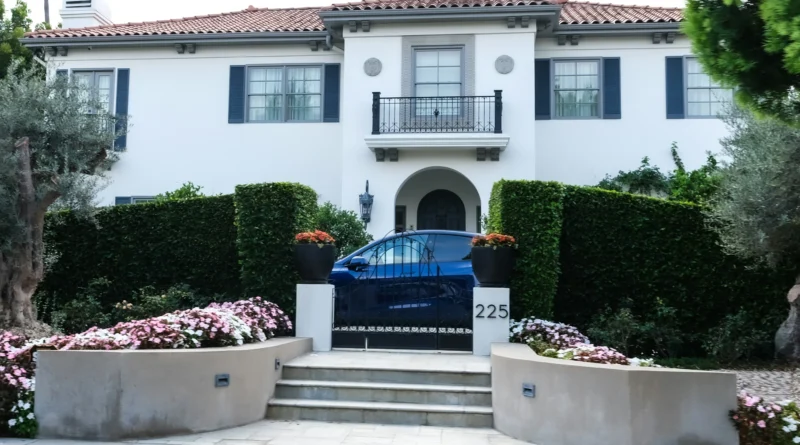
Are Some Types Of House Styles More Expensive
The price of a house depends on more than just its size or where it sits. The building design you pick can really affect the money you spend to build it and keep it up over time. When you look at different kinds of house designs, think past how they look. Consider how tricky the design is, what materials you use, and things in your area that change the cost. This piece looks at which designs usually cost more and the reasons behind it. It gives useful tips for folks in building design, property sales, and making homes.
What Makes Certain House Styles More Expensive?
Differences in price between house designs often tie back to how hard the structure is, the skill needed for the work, and the stuff you pick for building. Some plans call for fancy details or special workers that push up the total bill. Take Victorian houses, for example. They have lots of curly trim or custom wood parts. These need way more time from skilled hands than plain, simple modern places. I remember chatting with a builder once who said a basic trim job might take a day, but Victorian stuff could eat up a whole week for one small section. That adds up quick.
Architectural Complexity and Design Features
How tricky the building plan is hits the cost right away. Plans with many levels, odd shapes, or pretty add-ons make the frame stronger and take longer to finish. Think about Tudor or Gothic Revival styles. They often have sharp roof ends, brick patterns, and curved windows. All these parts need extra wood supports and careful closing up. On the other hand, ranch-style homes stay on one floor. They are easier to put together. So, they cost less for each bit of space. In places like the Midwest, where flat land is common, ranch homes pop up a lot because builders can knock them out fast, maybe saving 20% on labor right there.
Material Quality and Availability
What you choose for materials matters a ton in setting the price for house designs. Faces made of stone or roofs with copper last long but cost a bundle. If those items come from far away or are hard to find nearby, you pay extra to ship them. New-style homes like to use big glass sides or metal frames. They give a sharp look. But they cost more than old-school wood setups. For instance, in a coastal town, salt air might force you to pick rust-proof metals, bumping the bill by hundreds per square foot. It’s not just about looks; it’s about what holds up in real life.
Labor Skill and Customization Needs
The money for workers changes based on how much you tweak the build. Craftsman-style houses focus on handmade touches like open wood beams or built-in shelves. These call for real pros who know their craft. Such work makes things pretty but stretches out the time and money. A friend in construction told me about a project where custom cabinets added $15,000 just because the wood had to match an old pattern perfectly. You get the charm, but your wallet feels it.
Are Traditional House Styles Typically More Costly?
Old-time houses bring a cozy feel with nods to the past and lots of small decorations. But that nice look usually means you pay extra. You need real old-style materials and top-notch finishes that match history. This makes them pricier than fresh, new options. Sometimes, though, in historic spots, these homes hold value better, like in Boston where a Colonial can sell for 30% more after fixes.
Victorian Homes
Victorian building style stands out for its busy outside looks. Things like towers, side windows that stick out, and shingles in patterns take careful work. Fixing up or copying these bits now needs workers who know old ways. That jacks up the worker fees a lot. Picture trying to match the gingerbread trim on a porch—it’s not just nailing wood; it’s carving each piece by hand. No wonder costs climb.
Colonial Homes
Houses in Colonial style show even sides and neat setups that need exact building. They might seem basic from the street. But true ones use fine brick walls, wood sides, and old trim work. These push costs higher than plain neighborhood builds. In the South, where humidity is high, you might add special sealants to the brick, adding another layer of expense to keep it looking sharp for years.
Tudor Revival Homes
Tudor Revival places show fake wood beams, sharp sloped roofs, and walls mixing stone with plaster or brick. These choices not only hike the starting price but also mean you spend more later to keep the look fresh over many years. Upkeep can be a pain, like resealing stucco every few seasons to stop cracks from rain.
Do Modern House Styles Cost Less?
New building ways lean toward easy shapes. They have straight lines, big open rooms, and little extra trim. This can cut some costs. But other choices might bring new bills depending on what you want.
Minimalist Designs
Homes that keep it simple skip extra frills. But they need spot-on work to make smooth ends. You might use less stuff in total. Still, the quality has to be top. Any tiny flaw shows up big on bare walls. It’s like painting a white room— one smudge and it’s all you see. Builders say this precision can sometimes make it as pricey as fancier styles in labor hours.
Mid-Century Modern Homes
Houses from mid-century modern focus on blending with the outdoors. They use huge glass areas and wide-open insides. All that window space raises the price for materials. Plus, you need good ways to handle heat or cold because windows let warmth escape. In sunny California, for example, these homes might add solar shades, costing an extra $5,000 or so to keep energy bills down.
Industrial-Style Lofts
Industrial looks often turn old spots like storage buildings into homes. But you have to fix a lot. That means making old frames strong or updating pipes to fit living rules. The rough style seems basic. Yet, changing old places to new can cost a surprise amount because of problems you can’t see at first. I’ve heard of lofts in New York where hidden wiring issues doubled the budget overnight.
How Does Location Affect the Cost of Different House Styles?
Weather in the area, rules for building there, and workers who know the job all change how much certain designs end up costing in real spots.
Climate Adaptation Costs
In cold places, designs with steep roofs like Chalet or Cape Cod stop snow from piling up. But they need more roof stuff than flat ones for hot areas. The other way around, homes in Mediterranean style for warmth might require strong cooling if you build them in wet spots. Take Colorado winters— a steep roof might add 15% to materials, but it saves on shoveling later.
Local Material Availability
Making a Southwestern adobe house away from dry lands costs more. That’s because mud-based items have to travel far. The same goes for log homes built where trees are scarce. You pay big for hauling wood. In Texas, local adobe is cheap, but ship it to New York, and fees can triple the material line item.
Regional Labor Expertise
Some spots have builders who focus on one style. This cuts costs with their know-how. Other places might not have those skills at all. A worker good with New England Colonials may not be around in the West, where new designs rule. So, you might hire from out of town, adding travel and time to the bill. It’s all about who’s local and what they know.
Are Luxury House Styles Always the Most Expensive?
Fancy doesn’t always mean the biggest building cost. It hinges on what you call fancy. Is it the size, the top finishes, or tech inside?
Mediterranean Villas
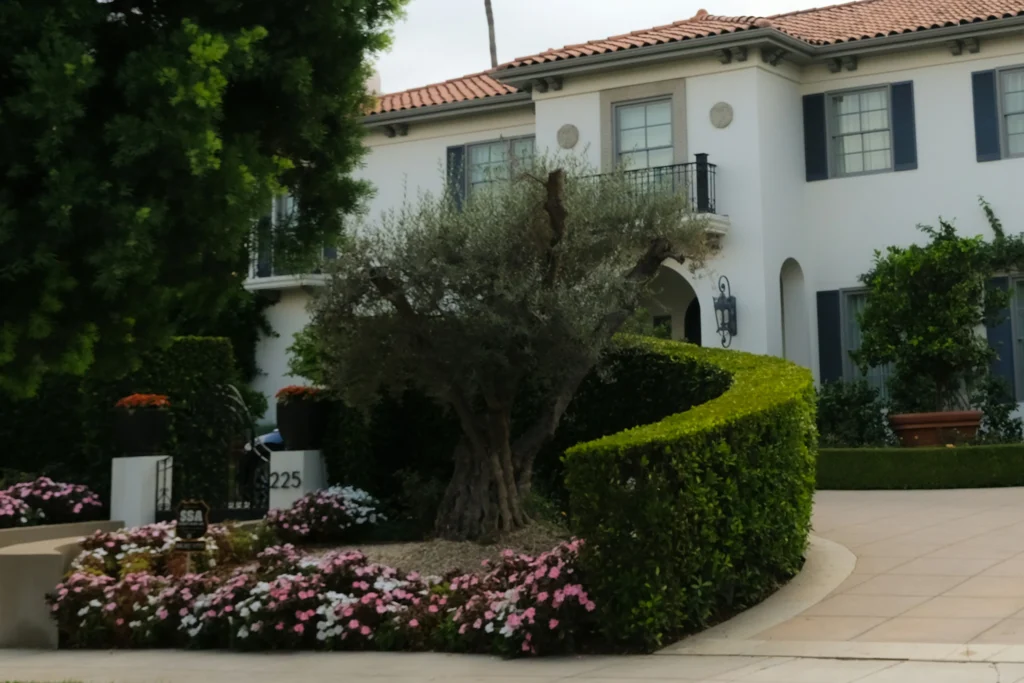
Villas in Mediterranean style have plaster outsides, red tile tops, open yards, and side walks. All these need high-end stuff for warm weather. Their big spreads raise land prices too, plus work on gardens. In Florida, adding a courtyard fountain might look great, but the water features alone can hit $10,000 in install.
French Country Estates
Designs from French Country mix farm feel with nice touches. They use stone walls and metal gates that lift the material cost and the work to put them up.
Contemporary Luxury Homes
Top new homes mix in smart tech like lights that turn on alone or systems to control air. This adds a lot at the start. But it might save money later by using less power. Still, wiring for all that can push costs up 25% from a basic build, according to some real estate reports.
How Can You Manage Costs When Choosing a House Style?
Keeping costs in check starts when you first plan the look. Match what you want to see with real limits like your money plan or area rules. One tip from pros: always get a few bids early to spot wild swings.
Simplifying Structural Elements
Cut out extra bends or roof parts that you don’t need. This lowers the hard work on frames without hurting how it looks. Even small changes can save a few thousand bucks in the building steps. For a ranch home, skipping a fancy gable might trim $3,000 off without anyone noticing from the curb.
Selecting Locally Sourced Materials
Pick stone or wood from close by. This drops shipping money and helps the local area. It’s a green way that more builders like these days because it cuts waste too. In Oregon, using nearby timber not only saves cash but feels right for the forest vibe.
Balancing Design Ambition With Functionality
Put money into rooms that work well over ones that just look good from outside. This way, your cash goes where it makes daily life better, not just for show. Think about a big kitchen versus extra trim— the kitchen gets used, the trim gathers dust.
FAQ
Q1: Which house style is generally the most expensive?
A: Victorian-style houses tend to be among the most expensive due to their ornate detailing and complex craftsmanship requirements.
Q2: Are modern homes cheaper to build than traditional ones?
A: Often yes; modern homes emphasize simplicity that reduces some material needs though high-end finishes can offset savings.
Q3: Does location really change how much a style costs?
A: Absolutely; climate adaptation needs and local material availability can dramatically shift total project budgets across regions.
Q4: What’s the best way to keep design costs reasonable?
A: Simplify structure where possible and source materials locally while maintaining essential architectural integrity.
Q5: Do luxury features always increase long-term value?
A: Not necessarily; while luxury features attract buyers initially their maintenance demands may reduce net return over time if upkeep becomes costly.