
What Types Of House Styles Are Best For Modern Living
Modern living these days is all about comfort. It also involves how design, technology, and sustainability come together in your home. Many kinds of types of house styles let owners show their own tastes. At the same time, they meet everyday needs. Think of simple city lofts or green homes in the suburbs. Each one shows a unique way to handle space, materials, and daily life. This piece looks at which building styles work best for today’s world. It explains how they fit into current routines.
What Defines a Modern House Style?
A modern house style usually stresses easy shapes, practical use, and wide-open spaces. Clean lines show up often. Big windows bring in plenty of sunlight. Open-plan rooms blend living spots without walls in the way. The aim goes beyond looks. It includes smart use of room too.
Minimalist Design Philosophy
Minimalist homes cut out extra decorations. They focus on shape and purpose. Colors stay basic, like white, gray, or light brown. Furniture does double duty for beauty and use. This setup makes peaceful areas. It’s great for workers with full schedules. They want clear minds when they get home. For example, a simple couch can hold family photos without cluttering the view.
Integration of Technology
Smart homes mark the next step in daily life. Lights that turn on by themselves, safe camera setups, and power-saving gadgets fill new houses. You control them all from your phone. This ease helps people with changing routines. I recall a friend who sets his thermostat from work. It saves him time and keeps the house just right.
Sustainable Construction Materials
Sustainability matters a lot in building now. It’s not just a nice add-on. Workers pick reused metal, bamboo floors, or old wood to help the planet. Windows that save energy and sun-powered panels boost green features. They cut down on power bills too. In one neighborhood I know, homes with these materials stay cooler in summer without extra fans running all day.
How Do Traditional Styles Adapt to Modern Needs?
Old house styles like Colonial, Victorian, and Craftsman still draw crowds. But they change to fit what people want today. You see mixed designs that keep the past look. They add fresh comforts inside.
Colonial Revival with Contemporary Interiors
Colonial homes have even fronts and sloped roofs. Now, they add big kitchens without walls. Smart tech blends in smoothly. This mix holds onto the old outside charm. It boosts how things work each day. Picture a family gathering in a wide kitchen that feels both classic and new.
Victorian Elegance with Energy Efficiency
Victorian houses used to mean fancy details for the rich. Current ones keep the pretty edges. But they use thick insulation and strong windows. These meet today’s power rules. The style stays the same. Take a look at old photos versus new builds. The charm lingers, but the inside runs better on less energy.
Craftsman Homes with Open Layouts
Craftsman houses highlight handmade touches and real stuff like rock or timber. New takes open up the closed-off rooms. They flow from kitchen to eating area to lounge. This change makes moving around easier. It’s like turning a cozy box into a welcoming path through the house.
Why Are Contemporary Styles So Popular?
Contemporary building sets itself apart from mid-century modern. It cares more about changing with the times than fixed rules. It welcomes new ideas through bendy room plans and green ways. These suit city living well. Popularity comes from how they match busy lives without feeling stiff.
Flexible Floor Plans
Contemporary homes use sliding walls or rooms that do many jobs. A space might serve as an office in the morning. Then it turns into a spare bedroom at night. This fits the rise in working from home. Many folks now mix jobs and family in one spot. It’s practical, especially after the last few years of changes.
Use of Natural Light
Big glass sides or roof windows mark these houses. They cut the need for fake lights. Plus, they make rooms feel light and fresh. This links the inside to the yard or sky. On sunny days, it feels like the outdoors comes in without bugs.
Eco-Friendly Systems
Ground-based heat setups or rain collection tools show up often. They match the push for caring about the earth. Owners want homes that run well for years. In dry areas, these systems save water that might otherwise go to waste. It’s a small step, but it adds up over time.
Which House Styles Suit Urban Living Best?
Cities pack people close together. Space stays tight. So, smart building ideas matter a ton. Some types of house styles fit small city spots. They keep comfort and good looks intact. Urban life demands this balance every day.
Loft Apartments
Lofts started as old factory turns. They have tall roofs and bare brick sides. These praise rough textures. Wide spaces let you arrange chairs and tables any way. It’s perfect for artists or thinkers in the city. One loft I visited had art supplies tucked into high shelves, making the most of every inch.
Townhouses
Townhouses build up, not out, over several levels. They guard quiet with noise-block tricks. Lots come with top gardens. These act as private green spots in the busy streets. It’s like having a yard without the yard work, right in the heart of town.
Micro Homes
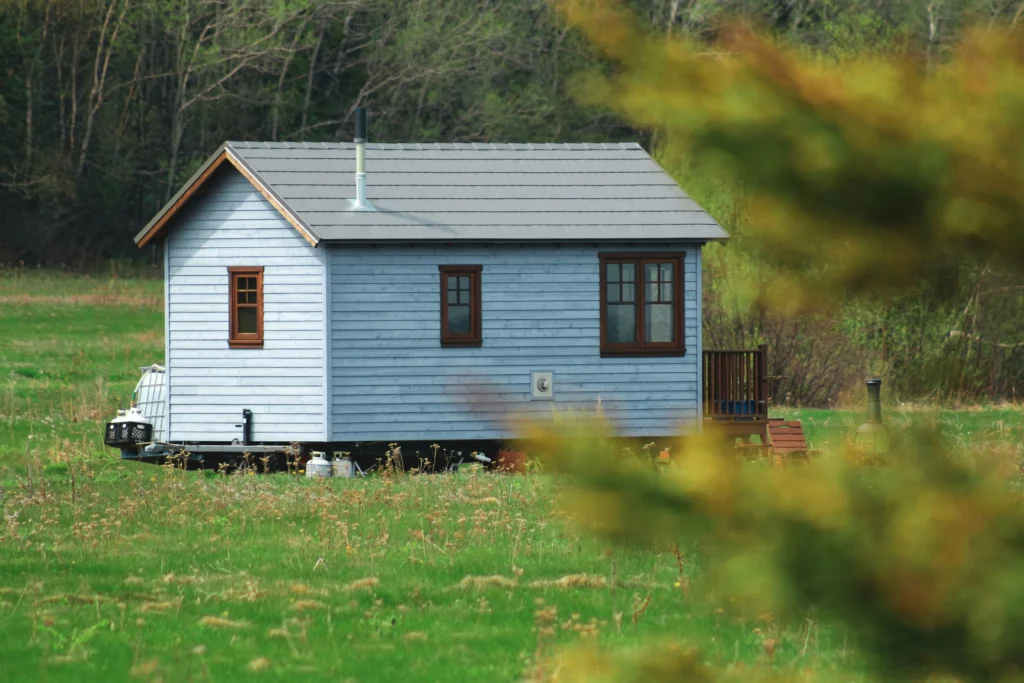
Micro homes measure less than 400 square feet. They prove small can work well. Built-in spots for stuff and furniture that folds help. This suits one person or a pair who pick spot over spread. In tight neighborhoods, they shine. A couple I know lives happily in one, with clever hooks for coats and keys everywhere.
How Does Climate Influence House Style Choice?
Weather plays a big part in picking a house look. It ties to staying comfy and using less power. Hot or cold spots change what builders do.
Tropical Designs for Warm Regions
In hot, wet places, homes use wide overhangs and air-flow plans. These keep rooms cool on their own. Bamboo or clay roofs handle heat without big coolers. Breezes flow through, making evenings pleasant without fans blasting.
Insulated Structures for Cold Areas
Cold spots call for cabin-like or Nordic-style homes. Thick layers hold in warmth. Windows with three panes block the chill. They work through long winters. Families stay snug without high heating bills. It’s like wrapping the house in a warm blanket.
Desert Architecture Innovations
Dry lands use mud-brick walls that soak up day heat. They let it out at night. This keeps inside steady all year. Little power goes into cooling. In places like the Southwest, these old tricks mix with new tech for real savings.
What Role Does Sustainability Play in Modern House Styles?
Sustainability shapes choices from the ground up. It covers materials to power setups. This makes a home feel current in real ways. Builders think green from the start.
Passive House Standards
Passive houses seal tight against air leaks. They pair with fans that grab back heat. Upfront costs run higher. But yearly power tabs drop a lot. Over 10 years, owners save thousands. It’s worth it for the quiet comfort too.
Renewable Energy Integration
Sun panels pop up even on old-style roofs. Prices fell since 2010 (source: U.S. Department of Energy). People like the lower bills and less harm to air. In sunny states, a basic setup pays back in five years. That’s real money in your pocket.
Water Conservation Features
New yards pick plants that need little water. Systems reuse sink water for grass. This saves resources in growing areas. One suburb cut water use by 30% with these. It’s simple, but it helps the whole community stay greener.
FAQ
Q1: What is the difference between modern and contemporary house styles?
A: Modern points to a mid-20th-century push for plain forms. Contemporary covers today’s mixes, pulling in green ways and tech touches.
Q2: Which type of house style is most energy-efficient?
A: Passive houses top the list. Their tight builds and smart air systems cut heat loss all seasons.
Q3: Are minimalist homes suitable for families?
A: Yes, if you add smart storage that changes. Minimalist means clear, not empty. It helps families sort things without mess building up.
Q4: How much does it cost to add smart technology into existing homes?
A: Prices range a lot. Basic kits start at $1,500. Full setups can hit $20,000 or more, based on what you pick (data source: Statista 2023).
Q5: Do sustainable materials affect resale value?
A: Yes, green-certified spots sell for up to 9% more. Buyers seek the long-run savings (source: National Association of Realtors 2022). It’s a smart choice in today’s market.