
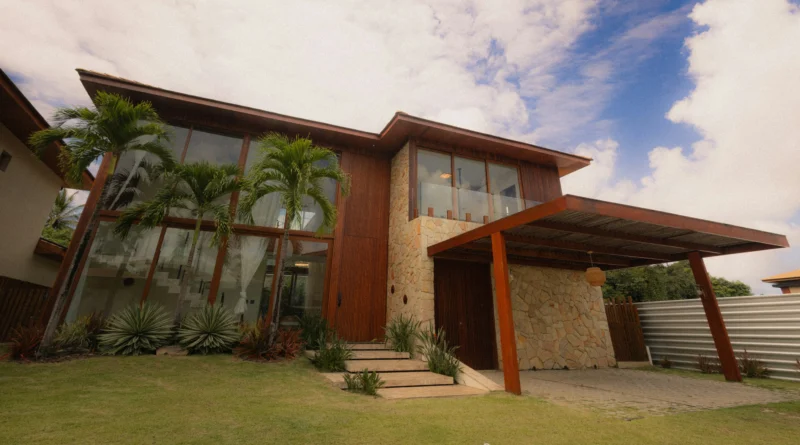
What Types Of House Styles Increase Property Value
The design of a home affects not just its appearance but also its price. People often pay extra for specific house styles. They link these to good quality, ease, or status. If you want to put money into real estate, learning about styles that boost worth can help you make better choices. Think about old colonial houses or simple new builds. Each one has its own draw in the market. Plus, there are things to think about for upkeep.
Why Do Architectural Styles Affect Property Value?
House style goes beyond looks. It shows what people like in culture. It involves materials used and how well it works. A smart pick matches what the area likes. It meets what buyers want. This can lift the sell price a lot. In places where the front view counts first, keeping the style the same helps sell fast.
Historical Architecture With Timeless Appeal
Old styles such as Colonial, Victorian, and Craftsman houses usually sell for more. They show skilled work and past times. Buyers like the real wood parts, big front porches, and fine touches that new homes seldom have. Take a fixed-up Victorian house in an old area. It can go for 15–20% above similar new ones close by (National Association of Realtors, 2023). The warm feeling from real old touches pulls buyers in big time. I mean, who wouldn’t want that cozy history vibe?
Modern And Contemporary Designs
New homes focus on open spaces, plenty of light from outside, and plain finishes. These fit today’s ways of living. They stress change and green ways. Homes with power-saving setups, like solar panels or smart controls for heat, draw folks who care about the earth. These buyers pay more for less bills on power. Zillow’s 2022 housing report says listings with “modern design” sold up to 7% quicker than usual. It’s like they fly off the market because everyone wants that fresh feel.
Regional And Climate-Responsive Styles
House design needs to match the weather around it. In spots by the sea, styles like Mediterranean or Key West work well. They use thick walls and tile roofs that fight off wet air better than others. In cold places, Cape Cod or Chalet types hold heat well. Their small shapes and sharp roofs push snow off easy. Picking a style for the local weather cuts down on fix-up costs over years. And that keeps the home’s worth steady. For instance, in Florida, those tiled roofs save headaches from storms.
Which Traditional House Styles Hold Their Value Best?
Old designs stay a safe bet for putting money in. They draw people from all ages. Buyers like how familiar and solid they seem in a world that changes fast.
Colonial Style Homes
Colonial houses have even two floors. They show brick or wood outsides and doors right in the middle. The even look makes a nice balance that many folks like, no matter their age group. Their lasting shape and strong build stuff mean they hold price rises well. Even when the market shakes, they stay firm.
Craftsman Bungalows
Craftsman bungalows highlight handmade care. You see open beams, stone bases, and roofed porches. They shine in areas outside cities where personality counts as much as room size. Fixes that keep the old built-in spots or colored glass can bring good money back. That’s because keeping it real ups how much value people see. Picture a family adding a new kitchen but leaving the porch just as it was—buyers love that mix.
Tudor Revival Houses
Tudor houses have sharp roof ends, wood frames on half the wall, and small glass panes. They bring a bit of old Europe to regular US spots. Upkeep might cost more because of the busy outsides. But they pull in special buyers who want something different, not the same as next door. In fancy spots like Chicago’s North Shore or Connecticut areas, cared-for Tudors beat normal price jumps. It’s like they stand out in a sea of plain boxes.
How Do Modern House Styles Influence Market Perception?
New building ways have changed what people think homes should be. They want big open areas, straight lines, and ways to save power.
Mid-Century Modern Homes
These after-war builds have flat surfaces and big windows that link inside to the yard. First ones by builders like Eichler are still hot for fans of design. Fix-up jobs that keep true parts, such as smooth floors or high windows, often raise sell prices a bunch. It’s rewarding to see how a simple window update can turn a dated place into a gem.
Minimalist Contemporary Houses
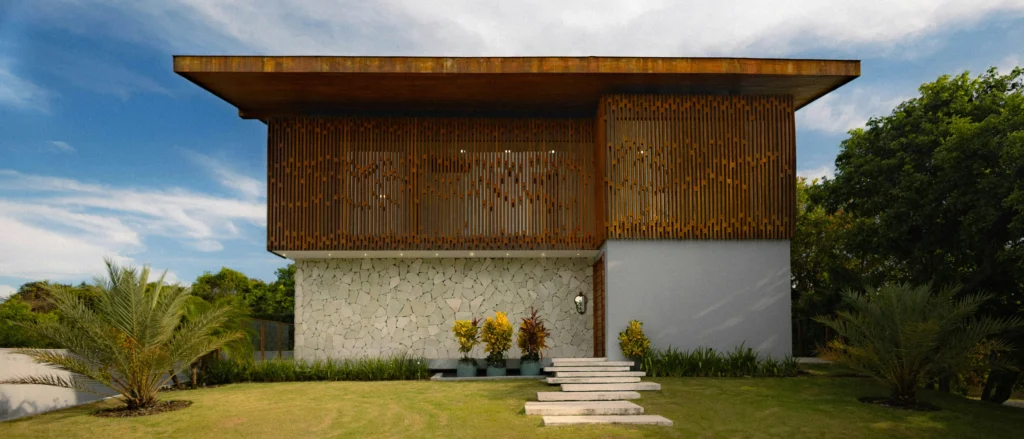
Today’s plain style sticks to easy ways. It uses soft colors, no-clutter rooms, and built-in tech. Buyers like the simple care it needs. Builders sell these easy because they look great in photos for the web. That’s key in online lists where the first look hooks you. Honestly, scrolling through listings, these clean ones just pop more.
Sustainable And Smart Homes
Green building with reuse stuff or auto systems gets more notice from young folks buying. Things like water catch setups or sun-facing plans cut costs to run. They also show care for the planet. That’s starting to show in higher checks from experts, per Green Building Council data (2021). Younger crowds, like those in their 20s and 30s, snap these up fast—I’ve seen it in market chats.
What Role Does Location Play In Valuing Different House Styles?
The best design can fall flat in the wrong spot. Where it sits shapes what people want for each type.
Urban Versus Suburban Preferences
In cities, folks pick new loft changes or lined-up houses that fit town life. Outside city spots, markets like family Colonials or Craftsman bungalows for room and quiet. Matching the look to who lives nearby keeps more eyes on it when selling.
Coastal And Resort Areas
By beaches or lakes, styles like Mediterranean villas and shore cottages rule. They mix looks with use against salt in the air. Big open decks and tall rooms let air flow while keeping the local feel. These sell points draw people buying for getaways. In places like Malibu, that wide deck becomes the star for sunset views.
Rural And Mountain Regions
Small cabins or chalet houses go with wild lands. They give good warmth hold for cold spots. Wood outsides age nice if you care for them. This rough charm keeps pulling high bids from nature lovers wanting a hideout. Up in the Rockies, a sturdy chalet can feel like a warm hug against winter winds.
How Can Renovation Enhance The Value Of Existing House Styles?
Fixing up while keeping the main look saves the true self. It adds comfort for living. That mix is key for worth over time.
Preserving Original Character
When working on old places, stick to stuff from the time, like wood floors or edge trim. This keeps the real feel that buyers value. Going too new can drop the special pull. Soft changes, such as fresh kitchens behind old fronts, pay off best in cash.
Adding Functional Space
Add-ons like done basements or top-room turns give more room to use. They don’t change the outside much. Checkers give higher worth per foot when the new part fits smooth with the old style. It’s practical—think of turning an attic into a home office without messing up the roofline.
Improving Energy Efficiency
Adding better wall fill or two-layer glass cuts power use and boosts comfort. That’s a strong sell now with costs going up worldwide (IEA Report 2022). These changes save money right away. They also lift the sell price in clear ways. In my view, it’s a no-brainer for anyone fixing a drafty old house.
How Do Buyer Demographics Shape Demand For Certain Styles?
What different age groups like keeps shifting. Knowing who goes for what helps guess worth changes ahead.
Millennials And Gen Z Buyers
Young home owners put green ways and bendy rooms first. They skip fancy trim. They pick open new houses with tech hooks over split-up old plans from before the 1990s. These kids grew up with apps, so smart lights make sense to them.
Baby Boomers Downsizing Trends
Folks getting older often move to one-floor ranches. These give easy reach without steps. They still have nice front looks with planned yards or porch spots. These remind them of bigger family homes from before.
Luxury Segment Preferences
Rich people like made-to-order big homes. They mix old even shapes with new perks like movie rooms or bath spas. This blend works great in shore city spots from Los Angeles to Miami, per Knight Frank Global Wealth Report (2023). It’s like getting the best of both worlds for those who can afford it.
FAQ
Q1: Which house style has the highest resale value?
A: Colonial-style homes historically maintain strong resale performance due to timeless symmetry and durable materials favored by broad buyer demographics.
Q2: Are modern minimalist houses good investments?
A: Yes; their clean aesthetics appeal widely online while low maintenance attracts busy professionals seeking convenience without sacrificing elegance.
Q3: Does renovating an old home always increase its value?
A: Not necessarily—improvements must align with original character; mismatched updates can deter heritage-focused buyers instead of adding worth.
Q4: What type of house style suits coastal climates best?
A: Mediterranean villas or coastal cottages perform well thanks to moisture-resistant construction methods ideal for humid environments near water bodies.
Q5: How does sustainability influence property pricing?
A: Energy-efficient features now carry measurable premiums as eco-conscious consumers willingly pay extra for reduced utility expenses over time (Green Building Council 2021).