
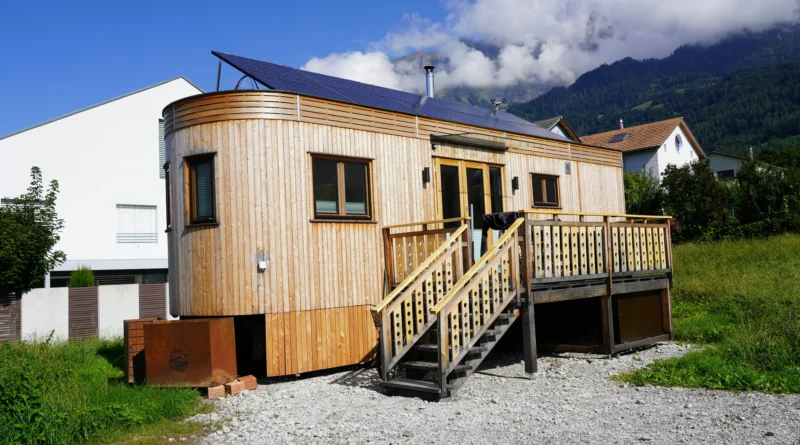
Which Types Of House Styles Work Best For Small Homes
Putting together a small home offers excitement along with real challenges. The area remains small, so every decision about construction plays a big role. These choices range from the inside arrangement to the roof’s form. Selecting the proper house style allows for the best use of the available area. It improves ease of living and provides an attractive appearance as well. This writing examines house styles that suit narrow living spaces effectively. It details the reasons certain plans succeed more in everyday practicality, appearance, and energy savings. Over the years, many builders have found that starting with a clear style vision cuts down on mistakes later on.
What Makes a House Style Suitable for Small Homes?
Before jumping into specific types of house styles, consider the qualities that suit a compact arrangement. The design must employ height wisely. It ought to permit natural light to enter without trouble. In addition, it provides adaptable room configurations. A reliable small home layout appears spacious, despite limited ground area. Such designs often draw from everyday needs, like fitting a kitchen that doubles as a workspace during busy mornings.
Efficient Use of Space
Compact homes benefit from plans that emphasize practical arrangements. For example, open-plan areas remove unneeded barriers. As a result, they produce a sense of greater size. Integrated seating and versatile rooms appear frequently in such dwellings. These features reduce disorder and preserve a comfortable atmosphere. That approach proves essential, since crowded conditions in limited areas displease most residents. In practice, a well-thought-out open kitchen can serve meals for four without feeling tight.
Natural Light and Ventilation
Architectural types featuring large panes or ceiling openings assist compact homes in appearing broader. Daylight enhances well-being and reduces power consumption. Breezes across the space maintain freshness with minimal device assistance. Observe classic rural dwellings; they commonly include such elements and stay airy throughout the day. This setup not only saves on bills but also creates a healthier indoor setting, much like how a simple window fan works on hot afternoons.
Simple Structural Geometry
Fundamental forms, such as rectangles or cubes, assemble quickly and arrange furnishings simply. Complicated corners or arches squander area and elevate expenses for construction. The majority of individuals creating small homes avoid such additions. That choice makes sense, particularly under financial constraints, for instance, a total outlay of about $50,000 for the entire build. Simpler shapes also allow for quicker permitting in many local areas, based on common builder experiences.
Why Is the Minimalist Style Ideal for Compact Spaces?
Minimalism extends past mere visual appeal; it serves as a clever method for managing area. Within confined dwellings, every portion counts heavily. Therefore, basic approaches align closely with the circumstances. This method highlights direct edges, uncluttered zones, and gentle tones that enlarge interior views. In truth, certain minimalist examples deceive the sight, suggesting double the actual dimensions. Builders note that this style appeals to urban dwellers who juggle work and home in tight quarters.
Open Layouts with Purpose
Minimalist structures typically include flowing floor plans. Areas for relaxing, dining, and preparing food combine without interruption. Such an arrangement eliminates obstacles that restrict spatial perception. An island unit or brief separator can indicate sections softly. Consequently, it preserves unobstructed lines of sight. To illustrate, within a 600-square-foot dwelling, this configuration enables a household to navigate freely, avoiding collisions with partitions. This flexibility proves useful for young professionals hosting small gatherings.
Neutral Colors and Light Reflection
Soft hues, including white or pale beige, reflect illumination more effectively than bold shades. This basic optical result expands room perceptions. Creators frequently combine these with genuine timber or stone to introduce a welcoming feel. It provides comfort without burdening the visual field. Over time, such choices fade less under sunlight, keeping the look fresh for years.
Hidden Storage Solutions
Minimalist schemes favor concealed areas for belongings. Imagine compartments beneath staircases or seamless wall units. These maintain order and conceal items from plain view. They sustain the neat aesthetic while tucking away routine objects. The practicality stands out; consider storing seasonal garments during off times. This prevents the common issue of visible piles in entryways, a frequent complaint in small living surveys.
How Does the Cottage Style Adapt to Smaller Homes?
Cottage designs connect with cozy and charming atmospheres. They fit petite locations inherently. Their modest dimensions frequently display angled roofs, compact attic openings, and friendly entry porches. These elements introduce engaging sights without demanding additional land. Cottage forms evoke fairy-tale residences, yet they function in actual garden settings too. Many families choose them for weekend getaways, adding personal touches like flower boxes.
Compact Yet Functional Layouts
Classic cottage configurations position central gathering spaces. Lesser individual chambers flank both sides. This balanced arrangement suits restricted zones adequately. It ensures equilibrium and smooth passage. Within an 800-square-foot cottage, the main room connects to sleeping areas efficiently, without excess. Such symmetry helps in distributing light evenly, making evenings brighter without extra lamps.
Warm Materials and Textures
Timber frames, masonry surrounds for fires, and coarse textiles heat cottage interiors. In snug confines, these components render spaces hospitable, rather than confined. They transform plain areas into appealing ones, similar to placing a soft cover on furniture. The natural grains in wood also resist wear better than painted surfaces, according to long-term homeowner reports.
Outdoor Connection
The cottage approach excels at tying indoors to exteriors. Plantings or platforms expand usable regions. This extends the living scope. It greatly aids petite homes in seeming more expansive. Numerous proprietors install a modest veranda for dawn drinks, merging internal and external realms fluidly. In rainy climates, covered porches become vital extensions, sheltering outdoor meals.
Can Modern House Styles Work for Small Homes?
Contemporary construction may appear designed for expansive transparent panels on vast properties. However, its core concepts adapt smoothly to modest parcels when handled thoughtfully. In metropolitan zones, where terrain expenses run high, this manner conserves room effectively. Architects often praise its scalability for dense neighborhoods.
Flat Roofs and Clean Lines
Even rooftops provide options for upper-level patios or renewable energy installations. These match civic environments lacking ample ground. Precise edges minimize disorder both within and without. A level surface could support a greenery patch accommodating four chairs easily. This setup also collects rainwater better in urban storms, a practical bonus.
Flexible Interior Spaces
Contemporary schemes prefer adaptability to rigid divisions. Movable screens or gliding entries allow reconfiguration of arrangements. This suits households requiring adjustments sans major alterations. It assists with expanding young ones or remote work areas. In a 700-square-foot modern flat, sliding doors can turn a living space into two bedrooms overnight.
Integration of Technology
Intelligent devices managing illumination or climate contribute convenience absent added bulk. Compact devices crafted for current routines slot into cramped niches superiorly. They simplify routine chores, such as activating fixtures remotely from distant locations. Yet, reliable Wi-Fi remains crucial, as outages can disrupt the flow in small setups.
What Role Does the Tiny House Movement Play in Small Home Design?
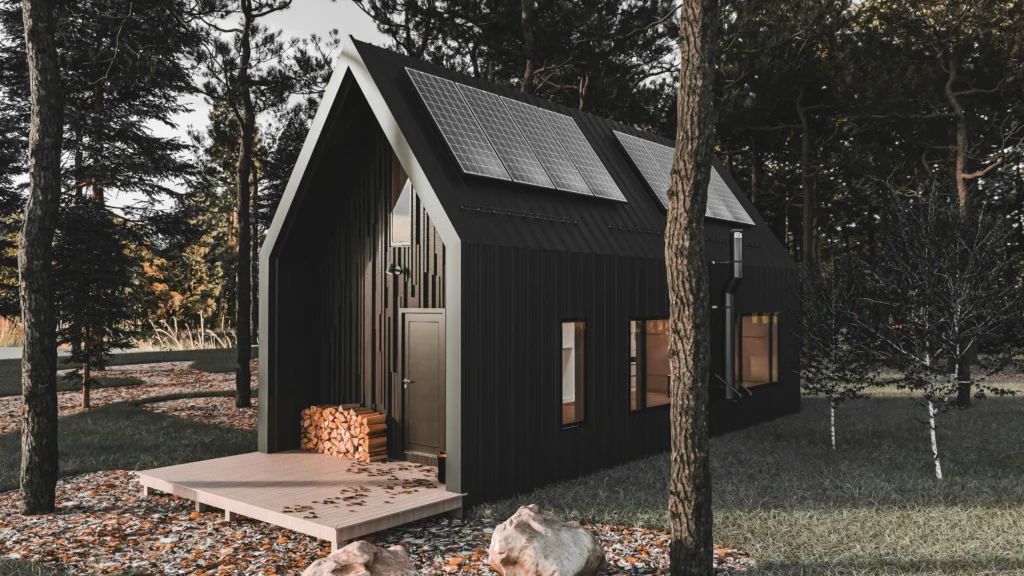
The tiny house wave altered perspectives on residential scale. It demonstrates that reduced area yields greater satisfaction. These diminutive abodes remain below 400 square feet. They draw efficient configurations from vessel interiors or recreational vehicles. Publications highlight how proprietors cherish the liberty it affords. The movement gained traction post-2008 recession, with numbers doubling in popular states.
Vertical Expansion
Tiny abodes rise upward, avoiding lateral sprawl. Elevated resting platforms accessed via inclines or rungs preserve ground level. Storage pulls below risers enhance capacity. This exploits altitude effectively over wide extension. Inside a 200-square-foot model, an upper level comfortably houses two grown individuals. Ladders must be sturdy, as daily climbs add wear over months.
Multipurpose Furniture
Collapsible work surfaces shifting to meal areas or resting units folding into loungers illustrate versatile utility. This bolsters compact existence sans forfeiting utility. It resembles a multi-tool for domestic use – a single item handles multiple roles. In daily life, a Murphy bed saves floor space for yoga mats during the day.
Mobility Options
Certain tiny abodes mount on trailers for relocation. This blend of austerity and mobility attracts adherents. Nevertheless, land regulations vary by locale. Verify regional statutes prior to commencement; certain districts prohibit them as fixed dwellings. Trailers offer escape from high-rent cities, but towing limits speed on highways.
Are Traditional Styles Still Practical for Small Homes?
Despite fresh currents in compact construction, classic methods persist in usefulness. They modify readily and evoke solace. Conventional forms convey historical warmth that newer variants occasionally lack. These styles endure because they blend timeless appeal with modern tweaks.
Bungalow Simplicity
Bungalows employ a single level with extensive forward platforms. These broaden external areas. Their elementary framework permits modifications within modest means. A 900-square-foot bungalow could incorporate a platform for outdoor cooking sans additional expense. Verandas provide shade in sunny regions, cutting cooling needs by up to 15%.
Craftsman Detailing
Craftsman abodes accentuate artisanal elements. Consider visible supports or embedded storage. These infuse character absent size increase. They render a petite locale as thoughtfully assembled, akin to a bespoke plaything. Handcrafted details, though time-intensive, boost resale values in suburban markets.
Colonial Compactness
Reduced Colonial appearances uphold symmetrical facades. They streamline internals for improved circulation. Focal heating cores or central ascents preserve aesthetics while diminishing fabrication complexity. On constrained parcels, this harmony conserves area tidily. Symmetry aids in even heating distribution, a plus in variable weather.
How Can You Choose Among Different Types of House Styles?
Selecting among house styles depends on routine requirements, beyond superficial charm. Reflect on atmospheric conditions, surrounding structures, care demands, and personal routines initially. The choice feels individual; a solution fitting one group may falter for others. Consulting local experts early often reveals hidden costs or benefits.
Climate Compatibility
Within balmy regions, robust-walled Mediterranean schemes repel warmth superior to abundant glazing. Frigid zones require pitched coverings for precipitation. A cottage amid wintry locales dislodges frost swiftly, safeguarding the structure. In coastal areas, elevated foundations prevent flood damage, an overlooked detail in planning.
Budget Considerations
Certain manners demand elaborate labor elevating expense per unit area. Alternatives employ straightforward contours for affordable assembly. Align finances with the blueprint to evade subsequent fiscal pressures. As an example, a plain minimalist could run 20% cheaper than an ornate Craftsman. Material choices, like vinyl over wood siding, further trim long-term upkeep.
Personal Lifestyle Fit
Should frequent guest hosting matter, expansive contemporary arrangements surpass segmented antique ones. Individuals preferring seclusion may opt for partitioned cottage schemes yielding secluded corners. Within petite casings, these supply serene retreats amidst activity. For remote workers, quiet nooks become essential, sometimes requiring soundproofing additions.
FAQ
Q1: What Is the Best House Style for Limited Land Plots?
A: Minimalist or modern flat-roof designs often perform best because they allow vertical expansion while maintaining clean geometry suitable for narrow plots.
Q2: How Can I Make My Small Home Feel Larger Without Renovation?
A: Use lighter colors on walls and ceilings, maximize window exposure for daylight access, and keep furniture low-profile to maintain open sightlines throughout rooms.
Q3: Are Tiny Houses Legal Everywhere?
A: No; zoning laws differ widely across regions. Some municipalities treat mobile tiny houses as RVs rather than permanent residences — always check local building codes first before investing in one.
Q4: Do Traditional Styles Work Well in Urban Environments?
A: Yes; scaled-down versions of bungalows or cottages adapt nicely within city lots when paired with efficient interior planning focused on storage optimization and outdoor integration through balconies or patios.
Q5: Which Type Offers the Lowest Maintenance Over Time?
A: Modern minimalist homes generally require less upkeep due to simplified façades lacking ornate trim work common in historical styles; fewer exterior details mean fewer repair points long-term.