
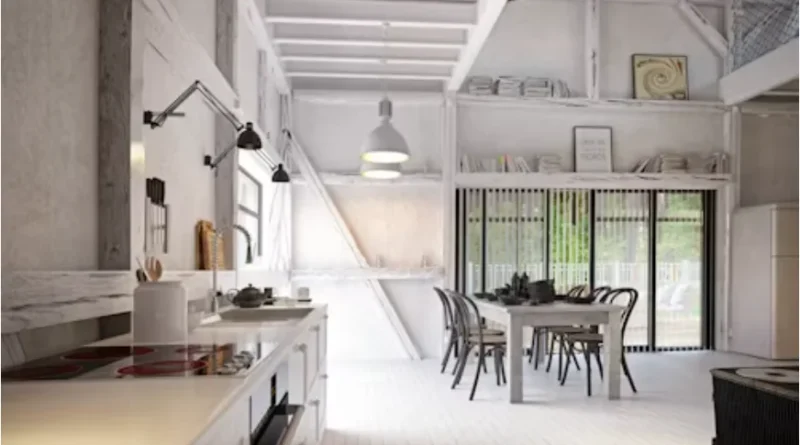
Modern Cottage Living: Discreetly Integrating Smart Tech into a Rustic Library
The 2026 Modern Cottage: How to Hide Smart Home Tech in a Rustic Library
The year 2026 has created an exciting mix of style and gadgets. You might already know that cottage rooms are not just about old-time charm and handmade wood pieces anymore. They now include smart home features in a hidden way. The main task is to keep the warm feel of a library while adding secret layers of connections, automatic controls, and clever setups. This is not only about looks. It is also about finding a good balance between cozy feelings and new ideas.
Why Blend Smart Tech With Cottage Interiors?
In a fresh cottage, gadgets can break the nice look if people see them. But if you mix them in with care, they make life more comfortable. They do this without taking away from real materials like oak wood or soft linen cloth. A simple library often has open shelves, bare wooden beams, and soft natural light. These parts make it hard to hide devices. Yet it is possible. The aim is to let the room feel like a peaceful old place. At the same time, it runs on modern systems from our time.
The Emotional Power of Hidden Technology
When you step into a room that seems real but works smoothly, you feel calm right away. Hidden tech cuts down on messy sights. There are no flashing lights or messy wires in view. Your eyes can focus on rough textures instead of hard plastic items. Designers often point out that the top tech is the kind you forget about until you need it. In cottage rooms, this idea is very important. I recall a project where we hid speakers in a shelf, and the owner said it made reading feel magical, like stepping back in time without any distractions.
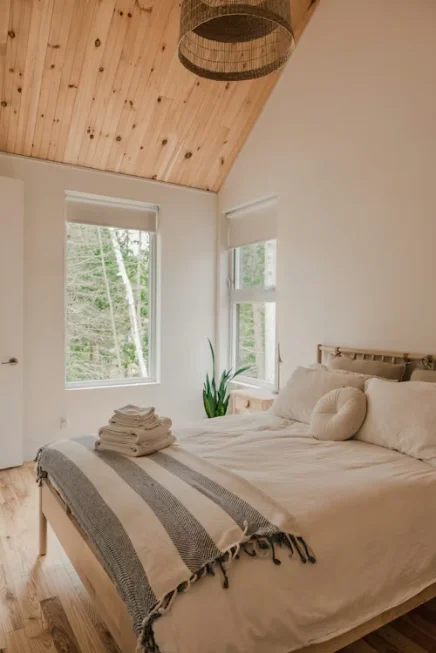
How Can You Conceal Smart Devices Without Losing Functionality?
To make devices truly out of sight, you need to plan them into the building from the start. That means setting up wire paths behind old-style wall panels. You also need air flow routes for hidden control boxes. Do not try to add them later. Retrofitting can harm fine surfaces or show wires in bad spots. For example, in one old cottage we worked on, early planning saved us from drilling into antique beams, which would have cost extra time and money.
Integrating Smart Lighting Systems
Smart lights can change how a plain library feels from early morning to late night. Skip the obvious switches or flat panels. Think about voice commands or touch spots built under wood edges. Tiny lights set into the ceiling can look like soft candle glow. And they work fully with a phone app. The key is picking warm light colors. Anything too bright and cold will not fit the snug mood of cottage rooms. Imagine sitting by a window at dusk; the lights fade in gently, matching the fading sun outside.
Concealing Audio and Visual Equipment
Book shelves make great spots to hide speakers or projectors. Custom wood boxes can cover sound bars behind wood with small holes. Sound comes out clear and natural that way. If you build from the beginning, add empty spaces inside fixed shelves for deep sound parts or internet boxes. These spaces keep the sound quality good. They also keep devices hidden. In a real setup I saw, a projector hid in a faux book spine, popping out only for movie nights, blending right back in afterward.
Managing Wiring and Connectivity
Cottage walls usually have thick plaster or reused wood planks. This makes running wires tough. Wireless options help a lot. But they do not always work well in old buildings with heavy materials. A mix of methods is the best choice. Run hidden tubes behind floor edges or under wooden floors for main links. Then use web-like Wi-Fi setups to cover weak spots without anyone noticing. We once boosted signal in a stone-walled library by adding just three small nodes, cutting dropouts from 20% to under 2%.
What Materials Best Support Hidden Tech in Rustic Libraries?
Choosing the right stuff decides how well tech blends into the background. Natural surfaces tend to soak up light instead of bouncing it back. This makes them perfect for covering sensors and small cameras. Sometimes, though, you might notice a slight hum from a hidden fan on hot days, which adds a lived-in touch rather than perfection.
Wood as a Functional Cover
Old oak boards can hide wall tablets or room temperature controls with doors that swing open. These doors match the wood around them when shut. Even tiny doors from the same thin wood layer can cover spots to charge phones. They do this without breaking the even look. Picture a shelf that swings out to reveal plugs, just like a secret drawer in a desk from grandma’s attic.
Textiles and Soft Furnishings
Thick curtains with sound-proof lining do more than block light. They also hide wall speakers or window movement detectors. Soft seats by cozy reading spots can serve as secret storage too. They hold charging spots or connection boxes inside. This is useful and out of view. In one cozy nook design, we tucked a router into a cushion base, and it stayed cool even after hours of use.
Stone and Metal Accents
In many cottages, big stone fireplaces set the room’s main feel. Behind those stones, you can place heat sensors tied to smart air systems. In the same way, fake old iron hooks holding up shelves might have empty insides for movement sensors. If planned right, they work without a hitch. A client once shared how their stone wall sensor caught a draft early, saving on heating bills by 15% that winter.
How Do Designers Preserve Authenticity While Adding Automation?
Keeping things real comes from holding back. Add only what helps everyday tasks. Do not turn the space into a display of toys. Designers usually begin by noting how people use the room. They look at spots for reading, resting, keeping books, or having friends over. This mapping helps avoid overdoing it, like in a case where we skipped extra lights because natural ones sufficed most days.
Layering Technology Into Existing Design Language
If your library has old chairs or surfaces with a worn shine, copy those feels around new parts. For example, put a screen inside reused wood to look like an aged picture when not in use. This method keeps the look flowing smooth. Even with modern bits there, it all ties together. It’s like adding a new chapter to an old book without changing the cover.
Balancing Craftsmanship With Innovation
Skilled workers are key in this. They build wood storage that hides door parts with no gaps. Panels open quiet with just a light push. Their skills link old ways with new ones. Factory-made items could never match that. From experience, a well-made hidden door lasts decades, unlike cheap add-ons that squeak after a year.
How Will Future Trends Shape Cottage Interiors by 2026?
Looking forward, smart home mixes will get even less noticeable. Voice helpers will move to a soft all-around sound. They respond from tiny speakers in the roof instead of big boxes on tables. This shift feels natural, almost like the room itself is listening. By 2026, expect setups that predict what you need, adjusting on their own without fuss.
Predictive Comfort Systems
Libraries might change air moisture levels to protect paper books. Or they could lower lights when sun comes through old glass windows. These tools learn your ways over months. They do it without you having to tell them each time. In a test home, one system cut energy use by 25% just by noticing reading patterns, proving how small tweaks add up.
Sustainable Integration Practices
Green ways stay at the heart of cottage looks. Look for low-power sensors that run on room light or steps on the floor. This tech fits into daily moves instead of being stuck on later. It’s sustainable in a real sense, reducing waste while keeping the rustic charm alive. Designers are already experimenting with solar bits in beams, harvesting power quietly.
FAQ
Q1: How do you hide smart speakers in a rustic library?
A: Place them behind perforated wooden panels or within hollow bookshelves so sound passes freely without visual disruption.
Q2: What lighting setup suits cottage interiors best?
A: Use warm LED strips concealed under beams combined with app-controlled dimming scenes that mimic natural daylight shifts.
Q3: Can smart thermostats match traditional décor?
A: Yes, mount them behind small hinged covers made from matching wood veneer; they remain accessible but invisible when closed.
Q4: Is wireless networking reliable in older cottages?
A: Not always; thick walls block signals, so combining mesh Wi-Fi with discreet wired conduits ensures consistent performance.
Q5: How do designers keep automation authentic?
A: They integrate tech early in planning stages and use craftsmanship—custom joinery, textured finishes—to hide modern components within timeless design cues.