
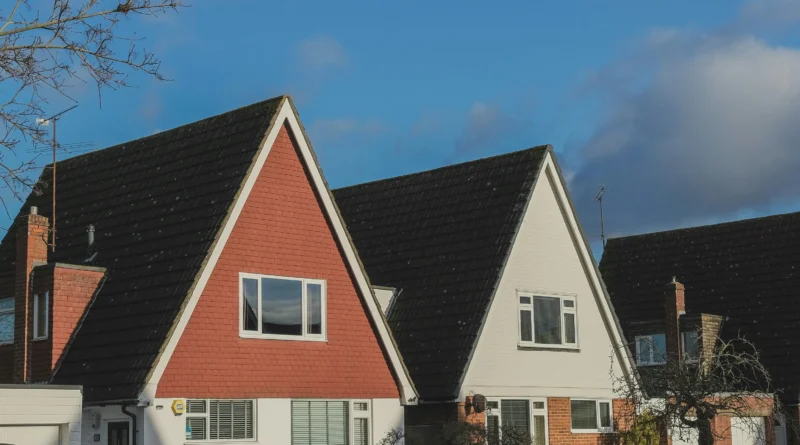
Which Popular House Styles Are Affordable
When you check out the housing market, affordability comes from more than just the spot you pick. It also ties to the way the house is built. Some common house styles cost less right from the start. That’s because they keep things simple in design, use basic materials, and save on energy. If you work in real estate or design buildings, knowing how a style affects the price helps you guide people better. This piece looks at which well-liked house styles usually don’t break the bank. It explains why they still draw in folks who want a home.
What Makes a House Style Affordable?
Before we dive into the styles, let’s think about what really sets the price. Building a house isn’t just about how big it is. Costs come from the stuff you use, how much work it takes, the shape of the roof, and even how the rooms are set up. A style with less fancy bits or a smaller base can cut the total bill a lot. For example, I’ve seen builders save thousands by picking plain lines over curly ones.
Simplicity of Design
Basic designs often mean cheaper builds. Take ranch homes or bungalows. They have easy layouts that cut down on framing and roof work. And their one-floor setup makes plumbing and wiring simpler too. That saves time for the workers. In my experience, a straightforward plan can shave off 20% from labor fees compared to fancier setups.
Efficient Use of Materials
Styles that focus on what works best use stuff wisely. Modern small homes, for instance, often go with ready-made parts. These cut down on scraps during the build. Plus, picking common things like vinyl siding or fake wood roofs keeps prices in check. They last well without extra cash. It’s like buying off-the-shelf parts instead of custom ones—saves hassle and money.
Energy Efficiency and Maintenance
Smart designs for saving energy bring savings later on, not just at first. Homes that are tight and well-insulated, with windows facing the right way, cut bills for heat and cool air. Good setups mean less work to keep comfy. Over years, these perks make some styles cheaper than they look on paper. Oh, and don’t forget—poor insulation can add hundreds to winter bills, so it’s worth it.
Why Are Ranch-Style Homes Considered Budget-Friendly?
Ranch-style homes stay big hits in North America. They make sense for everyday life and don’t cost a ton. They started in the 1920s and really took off after World War II. The one-floor plan fit well for quick building and easy living. Even today, families pick them for the open feel without stairs.
Simple Construction Layout
A ranch home often has a boxy or L-shaped inside. It uses few walls between rooms. So, you need less support inside. That drops the amount of wood and work needed. Builders finish these quicker than homes with floors stacked up. For sure, it’s a win for tight budgets.
Lower Roofing Costs
These houses sit on one level with flat-ish roofs. That means less to cover on top. You use fewer shingles or tiles, and putting them on is a breeze. No big waste, and installs go fast. All this keeps the roof part cheap. In rainy spots, this setup avoids leaks easier too.
Easy Maintenance Over Time
Keeping up a home matters for the wallet in the long run. Ranch homes let you reach the roof, drains, and outside walls without ladders or gear. You just step out and fix things. This cuts repair bills over the years. It’s practical for older owners who hate climbing.
Are Bungalow Houses Still an Affordable Choice?
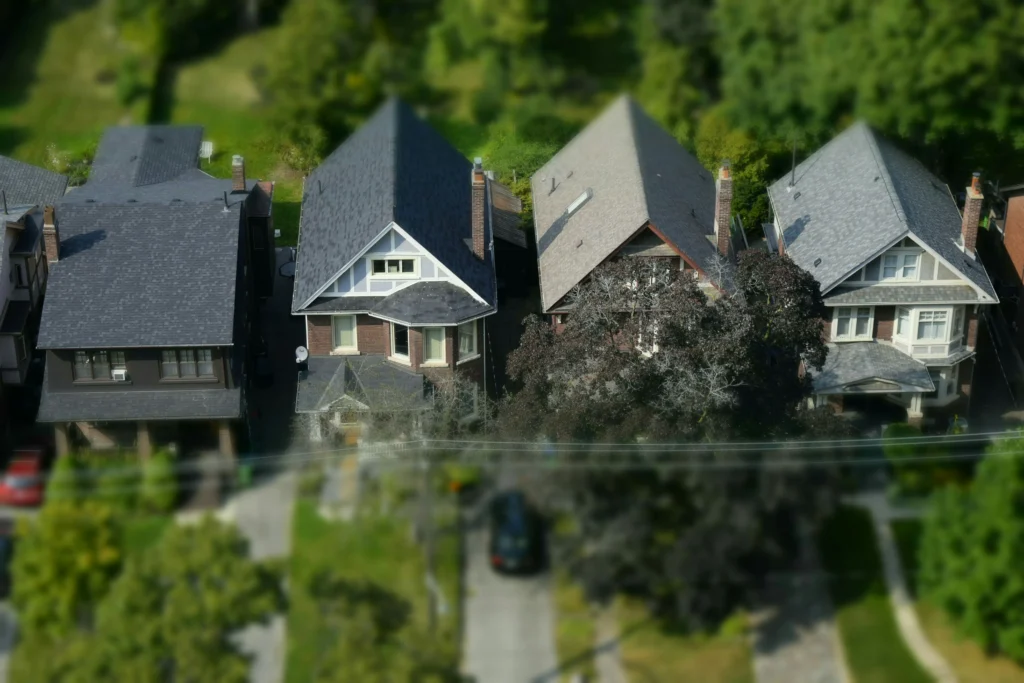
Bungalows caught on in the early 1900s. They suited regular folks with jobs. These homes feel warm and smart with space. Their small size and tricks for storage keep them cheap now. Plus, they have that old-time charm without the high price tag.
Compact Footprint
Bungalows take up less ground than two-floor houses. But they seem roomy inside. Open areas and hideaway spots help. The small base means cheaper ground work and less stuff overall. It’s great for a couple or small group. You get comfort without spreading out too much.
Cost-Efficient Building Materials
Old bungalows stuck to local wood or thin brick. Those were cheap back then, based on where you lived. Now, builders copy that with stuff like fake cement boards or man-made wood. They look good and cost less. It keeps the look alive on a dime. In fact, some areas see these materials drop prices by 15%.
Energy Savings Through Design
Being small helps bungalows stay warm or cool with less effort. Less room means lower bills for power. Many have big overhangs that block sun in hot times. But they let light in during cold months. This natural trick saves energy without gadgets. It’s like the house thinks for itself.
How Do Tiny Homes Compare in Affordability?
Tiny homes are a fresh trend for people who want less stuff and more freedom with money. They pack full living into tiny spots at low prices. If you build one right, it’s a steal. And they’re fun—think of parking one by a lake for weekends.
Minimal Land Requirements
You need way less ground for a tiny home. That cuts the buy-in cost big time. In cities where dirt is gold, this shines. No need for a big yard if you don’t want one. It opens doors for folks who couldn’t afford a full lot before.
Reduced Utility Expenses
Little spaces use less light and water. Heating a small area beats a big one every time. Bills drop each month. This pulls in green-minded buyers who care about the planet too. Savings add up—maybe $100 less a month on average.
Flexibility in Construction Options
You can make tiny homes from pre-cut pieces or old containers. These ways cut trash and speed things up. Homeowners tweak the insides cheap. It’s like Lego for houses. You pick what fits your style without going broke.
Can Manufactured Homes Be Both Popular and Affordable?
Manufactured homes have come a long way from old views. Now they mix low cost with nice living. Better rules and choices make them like regular built homes. They’re popular for quick moves and steady prices.
Controlled Production Process
These homes go up in factories. Weather doesn’t slow them down. Quality stays even, and costs drop. It’s faster than building outside. No rain delays mean you get in sooner.
Consistent Quality Standards
Laws like HUD codes keep all units strong in the U.S. Buyers know what they get at set prices. No wild changes by area. It’s reliable, like buying a car from a big brand.
Customization Without High Costs
Factories let you pick room setups or green add-ons cheap. Open kitchens or better windows come easy. You shape it your way with factory perks. Base prices stay low thanks to bulk making.
Are Townhouses an Economical Option for Urban Buyers?
City workers want close to work without huge costs for standalone homes. Townhouses hit that sweet spot. They offer ease and save cash. In busy spots, they’re a go-to for starters.
Shared Structural Components
Townhouses touch walls with next-door units. So each one needs less outside building. That saves on stuff and keeps heat in better. Shared sides mean warmer winters for all. It’s team work in housing.
Lower Land Costs per Unit
One lot holds many townhouses stacked side by side. Not spread out like single homes. So each owner pays less for the ground. In packed cities, this is huge. You get more for your buck.
Reduced Maintenance Responsibilities
Often, groups in townhouse spots handle outside fixes together. Things like grass or roofs get shared fees. No solo big bills. It keeps values steady. Plus, it’s less worry for you.
FAQ
Q1: What Is the Most Affordable Popular House Style Overall?
A: Generally, ranch-style homes tend to be among the most affordable because their single-level layout simplifies construction and reduces material use compared with multi-story designs (source: National Association of Home Builders 2023). They’re like the reliable pickup truck of houses—practical and everywhere.
Q2: Are Tiny Homes Cheaper Than Apartments Long Term?
A: Yes, tiny homes can be cheaper over time since utility bills are lower and there’s no rent escalation typical in apartment leases; however, zoning restrictions may affect placement options depending on location (source: U.S. Department of Housing 2022). Just watch out for rules in your town—they can trip you up.
Q3: Do Manufactured Homes Lose Value Faster Than Traditional Houses?
A: Manufactured homes may depreciate faster if not placed on owned land; however, those installed permanently on private lots can appreciate similarly to site-built properties (source: Federal Housing Finance Agency 2021). Owning the land makes all the difference, like anchoring a boat.
Q4: Which House Style Offers Best Energy Savings?
A: Bungalows often perform well due to compact volume combined with passive shading features like wide eaves that regulate indoor temperature efficiently (source: Energy Star Residential Design Guide 2020). They’re sneaky good at staying cozy without much help.
Q5: Are Townhouses Suitable for First-Time Buyers Seeking Affordability?
A: Yes, townhouses provide an accessible entry point into urban housing markets thanks to shared infrastructure lowering both initial purchase price and ongoing maintenance expenses (source: Urban Institute Housing Report 2023). Newbies love how they ease into homeownership without the full load.