
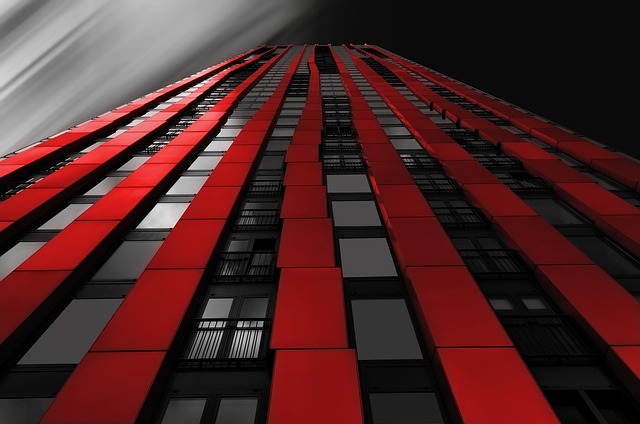
How to Choose the Right ACP Facade for Building in Modern Architecture
How to Buy the Right ACP Facade for Building?
Choosing the right ACP facade for building is one of the most critical decisions in architectural design. The facade defines not only how a structure looks but also how it performs over time against weather, pollution, and structural stress. For professionals in architecture and construction, selecting an ACP (Aluminium Composite Panel) system means balancing aesthetics, performance, safety, and cost. This article explores the key considerations when buying ACP facades and how you can make informed choices that align with both design vision and technical requirements.
What Is an ACP Facade?
An ACP facade is a cladding system made from aluminium composite panels—flat panels consisting of two thin aluminium sheets bonded to a non-aluminium core. These panels are widely used in modern architecture due to their lightweight nature, durability, and ability to achieve sleek finishes. The facade acts as both a protective envelope and an aesthetic statement for commercial complexes, institutions, or high-rise buildings.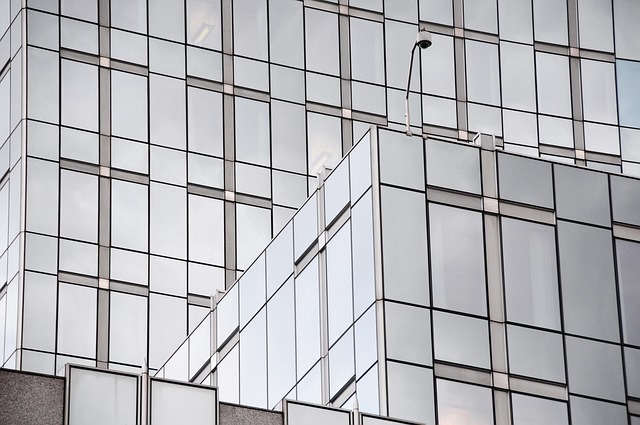
ACP facades are known for their versatility; they can mimic stone, wood, or metallic finishes while maintaining structural integrity. Architects often prefer them because they allow flexibility in shaping and color selection without adding excessive load to the building frame.
Why Should You Choose ACP Facade for Building?
Selecting an ACP facade offers several benefits that go beyond visual appeal. These systems are engineered for long-term durability and minimal maintenance. They resist corrosion and fading even under harsh environmental conditions. In coastal regions or industrial zones where air quality affects exterior surfaces quickly, ACP panels maintain their finish better than traditional plaster or paint.
Energy efficiency is another advantage. Many modern ACP systems incorporate insulation layers that help regulate indoor temperature, reducing HVAC costs. Fire safety standards have also evolved significantly; leading manufacturers now offer fire-retardant cores that meet international safety certifications such as EN 13501-1 Class A2 or ASTM E84.
From a design standpoint, ACP facades enable architects to experiment with shapes—curved surfaces, perforations, or geometric patterns—without compromising installation efficiency.
How to Evaluate Material Quality?
When purchasing an ACP facade for building, material quality should be your first checkpoint. Aluminium thickness typically ranges between 0.25 mm to 0.5 mm per sheet; thinner sheets may reduce cost but compromise durability over time. The core material—either LDPE (Low-Density Polyethylene) or FR (Fire Retardant)—determines the panel’s fire resistance level.
Inspect the coating type as well: PVDF (Polyvinylidene Fluoride) coatings offer superior UV resistance compared with polyester coatings. For projects exposed to intense sunlight or coastal humidity, PVDF-coated panels last longer without chalking or discoloration.
Request certificates of conformity from suppliers verifying compliance with ISO 9001 manufacturing standards and relevant fire-safety norms. Reputable brands provide test reports from third-party laboratories confirming mechanical strength and weather resistance.
What Design Factors Should You Consider?
Design plays a vital role in facade selection since it directly impacts both aesthetics and functionality. Start by evaluating the architectural intent—whether you want a minimalist glass-metal combination or a bold textured appearance resembling natural stone.
Color consistency across batches is critical; always request samples from multiple production lots before final approval. Consider reflectivity too—high-gloss finishes can look striking but may cause glare issues in urban environments.
For large-scale projects like airports or shopping malls, modularity becomes essential. Panels should be available in customizable dimensions that minimize wastage during installation while maintaining alignment across grid lines.
Finally, think about integration with other materials such as glass curtain walls or steel frameworks. A well-designed junction detail ensures thermal expansion does not lead to cracks or deformation over time.
How Important Is Installation Technique?
Even premium-grade panels fail if installed improperly. The substructure must be precisely leveled using aluminium or galvanized steel profiles capable of handling wind loads specific to your region’s building codes.
Dry installation methods using rivets or mechanical fasteners are preferred for high-rise applications because they allow easier maintenance access later on. Sealants used between joints must be UV-resistant silicone types approved for exterior use.
Before full-scale implementation, mock-up testing helps identify potential alignment issues or water ingress points early on. It’s advisable to engage certified installers who have prior experience working with complex geometries like curved facades or cantilevered sections.
What About Maintenance and Longevity?
One reason architects favor ACP facades is their low maintenance requirement compared with stone cladding or painted concrete surfaces. Routine cleaning using mild detergents twice a year keeps panels looking new while preventing dust accumulation that could dull finishes over time.
However, longevity depends heavily on environmental exposure and coating quality. PVDF-coated panels generally last 20–25 years without significant fading under normal conditions. Avoid abrasive cleaning tools which can scratch protective layers.
In humid climates where mold growth might occur around joints, periodic inspection ensures sealants remain intact and drainage channels stay clear of debris.
How Does Cost Influence Decision-Making?
Cost considerations go beyond just the price per square meter of panel material. Factor in substructure costs, labor charges for specialized installation techniques, transportation logistics (especially for large-format panels), and future maintenance expenses.
While cheaper LDPE-core panels may seem attractive initially, they often fail fire-safety tests required by local regulations—leading to costly retrofits later on. Investing upfront in certified FR-grade panels ensures compliance and reduces liability risks during occupancy audits.
Bulk procurement directly from manufacturers rather than distributors often yields better pricing margins on large projects exceeding 10,000 square meters of cladding area.
FAQ
Q1: What Is the Average Lifespan of an ACP Facade?
A: High-quality PVDF-coated ACP facades typically last between 20–25 years depending on exposure conditions and maintenance frequency.
Q2: Can ACP Panels Be Recycled?
A: Yes, aluminium components are fully recyclable through conventional metal recycling processes once separated from core materials during dismantling stages.
Q3: Are Fire-Retardant Panels Mandatory for All Buildings?
A: Regulations vary by country; however, most commercial high-rises now require FR-grade cores meeting EN 13501-1 Class A2 standards for safety compliance.
Q4: How Often Should You Clean an ACP Facade?
A: Cleaning every six months using non-abrasive detergents helps preserve gloss levels while preventing environmental pollutants from staining surfaces permanently.
Q5: Can You Combine ACP With Other Cladding Materials?
A: Absolutely; architects frequently pair ACP facades with glass curtain walls or perforated metal screens to achieve dynamic textures while maintaining structural coherence across elevations.