
Will Trending Interior Design Styles Redefine Aesthetic Standards In 2025
The Evolution of Aesthetic Standards in Interior Design
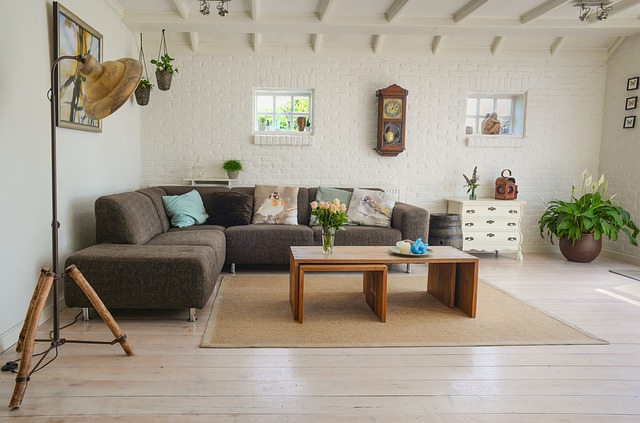
The landscape of interior design is shifting rapidly as technology, culture, and sustainability reshape what people consider beautiful. The upcoming year 2025 marks a turning point where aesthetic standards are no longer dictated by uniform trends but by individual expression and ethical awareness. For professionals exploring trending interior design, this evolution highlights a more human-centered approach that values authenticity over perfection.
Shifting Paradigms in Contemporary Design
Aesthetic standards have moved from rigid uniformity toward personalization. Homeowners and designers now prefer spaces that reflect identity rather than follow a single visual formula. Global influences are merging with local craftsmanship, creating hybrid aesthetics that cross boundaries. Sustainability and digital tools play crucial roles, enabling you to design interiors that are both environmentally responsible and technologically advanced. Designers increasingly blend cultural narratives with innovative materials to craft new visual languages—think recycled terrazzo paired with smart glass or traditional rattan integrated into modular systems.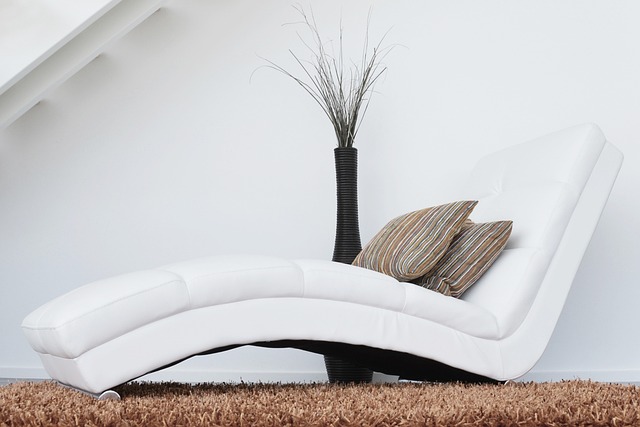
The Role of Socioeconomic and Environmental Factors
Economic uncertainty has made adaptability essential. Multifunctional spaces—like living rooms doubling as home offices—are no longer optional but expected. Environmental consciousness also drives material choices; low-VOC paints, bamboo flooring, and reclaimed wood have become mainstream rather than niche. Urbanization further pushes for minimal yet expressive aesthetics, where every object serves purpose and beauty simultaneously. Compact apartments in cities like Tokyo or Copenhagen demonstrate how thoughtful spatial planning can turn limitation into creative opportunity.
Biophilic Design: Integrating Nature into Modern Spaces
Biophilic design continues to dominate trending interior design conversations because it satisfies both emotional and ecological needs. It’s not just about adding plants; it’s about reconnecting people with the rhythms of nature inside built environments.
Core Principles of Biophilic Design
Natural light remains the foundation—large windows, skylights, and reflective surfaces amplify daylight to support circadian health. Organic materials such as stone, wood, clay, and linen introduce tactile warmth. Greenery softens geometry while improving air quality and mood. This approach promotes well-being and productivity by fostering a calm connection with nature. Designers also emphasize sustainable practices through renewable resources and local sourcing to minimize carbon footprints.
Technological Integration in Biophilic Spaces
Smart lighting systems now mimic sunrise-to-sunset transitions to align with human biological cycles. Air-purifying technologies complement natural ventilation strategies in dense urban areas where fresh air is limited. Virtual biophilia—digital projections of forests or ocean scenes—offers an alternative when real greenery isn’t feasible, especially in windowless offices or underground venues.
Sustainable Minimalism: Beyond Aesthetic Restraint
Minimalism is evolving beyond mere simplicity into an ethical statement about consumption habits.
Redefining Minimalism for 2025
By 2025, minimalism emphasizes intentionality over austerity. It’s about choosing fewer but better pieces—handcrafted furniture that lasts decades rather than fast décor trends replaced yearly. Neutral palettes remain central but gain sensory richness through textures like raw linen or matte ceramics. This shift reflects a growing demand for timelessness in an age of disposability.
Material Innovation in Minimalist Design
Designers experiment with recycled composites, reclaimed wood panels, and low-impact finishes derived from plant-based resins. Modular furniture systems allow reconfiguration as lifestyles change, extending product life cycles while reducing waste.
Techno-Art Deco Revival: Merging Glamour with Digital Precision
Art Deco’s bold geometry returns—but this time reimagined through computational design tools that bring precision impossible in the 1920s.
The Return of Art Deco Elements in a Digital Age
Geometric motifs are generated algorithmically to achieve perfect symmetry while preserving Art Deco’s glamour. Metallic finishes meet LED accents to create futuristic luxury suitable for high-end hospitality projects or residential lounges seeking drama without excess.
Balancing Heritage and Innovation
Designers reinterpret classic symmetry using algorithmic pattern generation while 3D printing enables custom decorative elements echoing Art Deco grandeur on demand—a fascinating union between heritage craftsmanship and digital artistry.
Japandi 2.0: The Fusion of Functionality and Serenity
Japandi has matured from trend to philosophy by merging Scandinavian practicality with Japanese restraint.
Evolution from Traditional Japandi Aesthetics
Japandi 2.0 focuses on muted tones like sand beige or charcoal gray paired with handcrafted textures such as tatami-inspired weaves or oak joinery. Every detail supports spatial harmony that feels calm yet purposeful—a balance cherished by modern homeowners seeking sanctuary amid chaos.
Sustainability as a Core Principle in Japandi 2.0
Materials like bamboo, linen, wool felt, and natural stone dominate due to renewability and tactility. Designers promote mindful consumption through long-lasting furniture built for repair rather than replacement.
Neo-Brutalism: Raw Honesty in Architectural Expression
Neo-Brutalism celebrates truthfulness in materials—a direct response to overly polished interiors dominating social media feeds.
Characteristics Defining Neo-Brutalism in Interiors
Expect exposed concrete walls, visible steel beams, rough plaster finishes—all treated as artistic statements instead of construction leftovers. Imperfection becomes authenticity; patina equals personality.
Emotional Resonance of Raw Materials
Tactile engagement invites sensory realism often absent from glossy spaces—the cool touch of concrete or the rough edge of brick connects occupants emotionally with architecture itself.
Retro-Futurism: Nostalgia Meets Innovation
Retro-futurism captures optimism from mid-century visions of tomorrow while embracing today’s technology-driven lifestyle.
Visual Language of Retro-Futuristic Interiors
Curved silhouettes reminiscent of 1960s furniture combine with neon lighting and chrome details inspired by early computer aesthetics—playful yet sophisticated color palettes bridge nostalgia with innovation.
Influence on Spatial Dynamics
Curved forms soften technological rigidity; integrated smart systems hide within nostalgic frameworks so functionality never disrupts aesthetic flow.
Cultural Maximalism: Storytelling Through Design Layers
Cultural maximalism thrives on narrative richness—it’s about telling stories through abundance rather than restraint.
Principles Behind the Maximalist Movement
This movement rejects minimal purity by celebrating eclectic collections and bold contrasts where vibrant colors meet layered patterns drawn from global traditions.
Curating Coherence Amid Abundance
Professional designers use repetition—motifs echoed across textiles or wall art—to maintain rhythm amid complexity ensuring cohesion within visual exuberance.
Adaptive Reuse Aesthetics: Designing from Existing Structures
Adaptive reuse transforms existing buildings into new functions without erasing their past—a sustainable solution gaining momentum worldwide.
Conceptual Foundations of Adaptive Reuse
Industrial warehouses become loft apartments; historical schools turn into creative studios—all preserving embodied energy while reducing demolition waste significantly compared to new builds (source: World Green Building Council, 2023).
Blending Old Frameworks with Modern Comforts
Visible structural remnants like brick arches or steel trusses act as narrative anchors within sleek modern layouts bridging history with present comfort seamlessly.
Quiet Luxury: Subtle Sophistication Over Opulence
Quiet luxury defines elegance not by price tags but by refinement visible only upon close inspection.
The Philosophy Behind Quiet Luxury
It values understated excellence—cashmere upholstery instead of velvet excess; honed marble instead of glossy granite—to convey confidence through restraint rather than display.
Material Palette and Textural Harmony
Brushed metal accents complement tactile fabrics creating serene compositions that speak softly yet command attention among discerning clients seeking depth over dazzle.
Digital Craftsmanship: Handmade Meets Algorithmic Design
Technology now enhances rather than replaces artisanship—a defining trait shaping trending interior design globally.
Intersection Between Technology and Artisanship
AI-assisted tools refine precision while preserving creative intuition; parametric modeling generates patterns inspired by weaving or marquetry traditions once crafted solely by hand artisans.
Implications for Customization
Mass customization replaces mass production through on-demand fabrication technologies allowing each project unique identity without sacrificing efficiency—a revolution for bespoke interiors at scale.
Global Fusion Interiors: Cross-Cultural Synergy
Cultural exchange fuels innovation as designers integrate motifs from diverse heritages forming cohesive global narratives reflecting multicultural urban identities prevalent today—from Moroccan tiles meeting Scandinavian woodwork to African textiles paired with minimalist European lines.
Industrial Warmth: Humanizing the Industrial Look
Industrial style evolves toward comfort without losing structural honesty combining warm metals like brass with textured fabrics under soft ambient lighting transforming cold lofts into inviting homes while retaining open-plan practicality prized since early industrial conversions began dominating city centers two decades ago.
Circular Design Philosophy: Designing for Longevity
Circular design places longevity at its heart emphasizing reuse recyclability modularity across every stage encouraging manufacturers toward closed-loop production systems where waste becomes resource again promoting furniture designed for disassembly extending lifespan far beyond conventional models (Ellen MacArthur Foundation report 2022).
Anticipating the Redefinition of Aesthetic Standards by 2025?
Across all these styles several themes converge defining the future aesthetic landscape personalization replaces universal beauty norms ethical sourcing becomes inseparable from perceived value technology amplifies creativity yet never overshadows craftsmanship emotional resonance finally surpasses visual perfection marking a profound cultural shift shaping how interiors will look—and feel—in years ahead.
FAQ
Q1: What makes biophilic design so relevant today?
A: It reconnects people with nature indoors using light greenery and organic materials proven to enhance well-being productivity and sustainability goals simultaneously.
Q2: How does sustainable minimalism differ from traditional minimalism?
A: Sustainable minimalism adds ethical depth focusing on durability craftsmanship renewable materials instead of purely visual simplicity.
Q3: Why is adaptive reuse gaining popularity?
A: It conserves resources preserves cultural heritage reduces construction waste making it both environmentally responsible and architecturally meaningful.
Q4: What defines quiet luxury compared to traditional luxury?
A: Quiet luxury values subtlety material excellence impeccable detailing prioritizing emotional comfort over ostentatious display.
Q5: How will technology influence interior design aesthetics by 2025?
A: AI-driven tools virtual simulations smart materials will expand creative potential allowing deeper personalization without compromising artisanal integrity.