
Is Home Styling Entering A New Era Of Sustainable Design Trends
The Latest Home Styling News, Videos & Comments
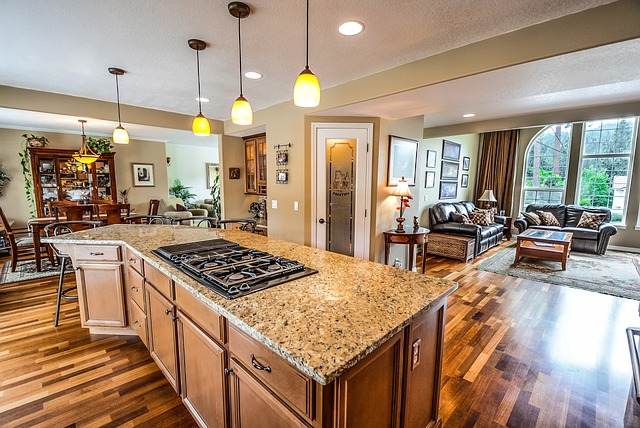
Home styling has evolved into a dynamic field that combines design innovation, sustainability, and digital influence. You might notice how trends no longer emerge from glossy magazines alone but also from social platforms, expert video tutorials, and real-time user commentary. This shift means staying updated isn’t just about décor—it’s about engaging with a constantly changing conversation that shapes how homes look and feel today.
How Are Current Home Styling Trends Shaping Modern Interiors?
The current wave of home styling favors authenticity and comfort over rigid perfection. Designers emphasize natural materials such as reclaimed wood and linen fabrics because they bring warmth to minimalist spaces. The rise of biophilic design—integrating plants and natural light—isn’t just aesthetic; it supports well-being by connecting indoor life with nature.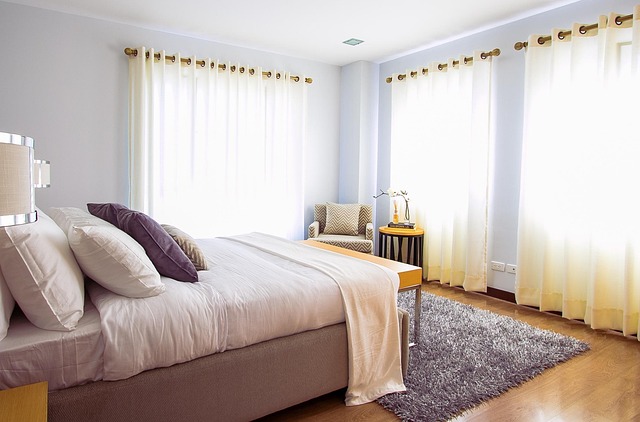
Sustainable Materials in Focus
Sustainability has become a defining principle in home styling. Bamboo flooring, recycled glass countertops, and organic cotton textiles are increasingly popular choices. These materials are not only eco-conscious but also durable and timeless. According to the 2023 Global Interior Design Report by Houzz, over 60% of homeowners prioritized sustainability when renovating their homes. That number continues to grow as more people seek long-term value rather than disposable décor.
The Return of Warm Neutrals
Color palettes have shifted from stark whites to warmer tones like sand beige, terracotta, and muted olive. These hues create a sense of calm that aligns with the broader cultural move toward mindful living. Designers often pair these tones with textured finishes—think limewash walls or matte ceramics—to add visual depth without overwhelming the space.
Smart Homes Meet Style
Technology is now seamlessly integrated into home styling. Voice-controlled lighting systems, hidden charging stations, and smart thermostats allow function to blend with form. Yet the challenge remains: how do you incorporate technology without losing character? Many designers solve this by concealing devices within cabinetry or blending them into accent walls.
What Role Do Videos Play in Shaping Home Styling Trends?
Videos have transformed how professionals and enthusiasts exchange ideas about home styling. Platforms like YouTube, TikTok, and Instagram Reels have become virtual classrooms where experts demonstrate layout planning or color coordination techniques in minutes.
Expert Tutorials Driving DIY Culture
Short-form videos make complex design concepts accessible. For instance, a designer might explain how to layer rugs for texture or how lighting direction affects wall color perception. This democratization of knowledge empowers viewers to experiment confidently at home.
Virtual Tours Redefining Inspiration
Virtual tours allow audiences to explore styled spaces from anywhere in the world. Real estate agencies and interior firms now use 360-degree video walkthroughs not just for selling homes but for showcasing design philosophy. Viewers can pause, zoom in on details like joinery or fabric texture, and apply those insights to their own projects.
Influencer Commentary as Trend Catalysts
Influencers play an outsized role in shaping what’s considered “in.” When a stylist posts a video featuring curved furniture or boucle upholstery, those elements often surge in popularity within weeks. This feedback loop between creators and consumers accelerates trend cycles far faster than traditional media ever could.
How Are Online Comments Influencing Home Styling Decisions?
Comment sections have evolved into valuable forums for professional dialogue and consumer feedback. They reveal not just preferences but also frustrations—what works practically versus what only looks good on camera.
Peer Validation and Real-World Testing
When users comment on product performance—say, how a matte finish holds up against fingerprints—it provides data that influences future purchases or even manufacturer decisions. Brands monitor these discussions closely because authentic peer reviews carry more weight than polished advertisements.
Community-Driven Design Adjustments
Designers often refine their approaches based on audience reactions to their published work. A recurring comment about poor lighting balance might prompt revisions in staging techniques for future projects. In this sense, comments act as informal focus groups guiding professional refinement.
Emotional Connection Through Dialogue
Engaging directly with viewers fosters trust between stylists and audiences. When followers see designers respond thoughtfully to feedback—acknowledging both praise and critique—it humanizes the creative process and builds loyalty around shared taste values.
What Are Experts Predicting for the Future of Home Styling?
Looking ahead, experts anticipate more hybrid spaces that balance aesthetics with adaptability. As remote work persists globally, multifunctional furniture will dominate—pieces that transform from desks to dining tables or storage units doubling as room dividers.
The Rise of Modular Design
Modular systems allow flexibility as lifestyles change. For example, shelving units that expand vertically rather than horizontally help urban dwellers maximize limited square footage without sacrificing style coherence.
Data-Informed Customization
AI-driven design tools are beginning to analyze user preferences across thousands of images to suggest personalized layouts or color schemes. While this technology won’t replace human creativity anytime soon, it will streamline decision-making for both clients and professionals.
Local Craftsmanship Revival
There’s growing appreciation for locally made furniture and artisan decor items that tell regional stories through materiality—handwoven baskets from Ghana or ceramic tiles from Portugal add authenticity while supporting sustainable economies.
FAQ
Q1: What defines modern home styling today?
A: Modern home styling emphasizes comfort-driven minimalism using natural materials like wood and stone while integrating smart technology discreetly into living spaces.
Q2: How do videos influence interior design trends?
A: They provide visual education through tutorials and virtual tours that help both professionals and homeowners apply new techniques instantly.
Q3: Why are online comments important in design communities?
A: Comments offer real-time feedback on functionality and aesthetics, guiding designers toward practical improvements based on user experiences.
Q4: Which colors are trending for interiors this year?
A: Warm neutrals such as clay beige, taupe gray, and muted greens dominate palettes due to their calming effect and versatility across styles.
Q5: What’s next for sustainable home styling?
A: Expect an increase in modular furniture made from recycled materials alongside greater adoption of energy-efficient lighting systems that complement eco-conscious aesthetics.