
Is The Return Of The Sitting Room Redefining How Room Designers Work
The Resurgence of the Sitting Room in Modern Interior Design
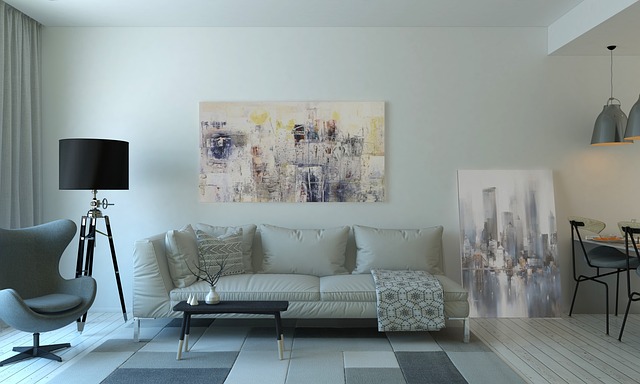
The modern home is rediscovering a long-neglected treasure—the sitting room. Once the heart of domestic life, this space is making a confident return as designers and homeowners seek intimacy, warmth, and connection. The shift is more than aesthetic; it’s cultural. You can see it in how people now use their homes: less about display, more about living. The sitting room today blends heritage charm with contemporary sensibility, serving as both sanctuary and social hub.
Understanding the Cultural and Social Shift Behind the Revival
The renewed attention to sitting rooms mirrors broader lifestyle changes. After years dominated by open-plan layouts and multifunctional spaces, many households now crave defined zones that foster conversation and rest. Post-pandemic life has accelerated this change—people spend more time at home and want rooms that support slow living rather than constant motion. Designers are responding by creating spaces where comfort meets purpose, where you can read quietly or share tea with friends without distraction.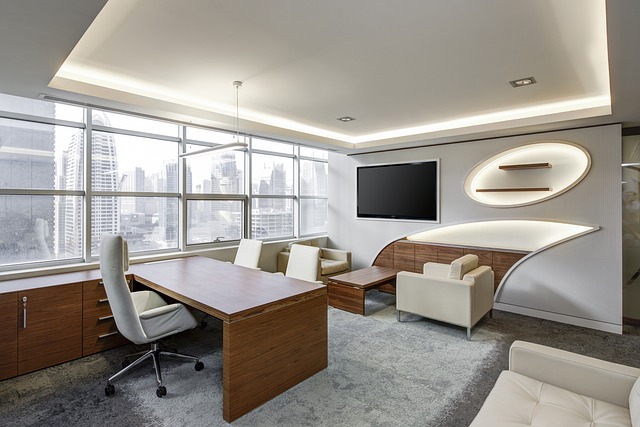
The Sitting Room’s Return Reflects a Renewed Appreciation for Intimate, Shared Spaces
Today’s sitting rooms are less formal than their Victorian ancestors but retain the same essence: togetherness. The revival speaks to your desire for human connection in an increasingly digital world. Designers emphasize proportion, seating arrangements that encourage eye contact, and materials that invite touch.
Post-Pandemic Lifestyle Changes Emphasize Comfort, Conversation, and Slower Living
Remote work blurred boundaries between professional and personal life. As a result, homeowners began valuing areas that restore balance—a cozy corner with natural light or a sofa that feels like a hug after long hours online. This emotional comfort defines the new luxury in interior design.
Designers Reinterpret Traditional Living Spaces to Meet Contemporary Expectations
Modern room designers reinterpret historical layouts through flexible furniture systems and subtle zoning techniques. A sitting room might now double as a reading nook or media-free retreat while maintaining visual harmony with adjacent areas.
Historical Context and Its Influence on Current Design Approaches
The roots of the sitting room stretch back to 19th-century domestic architecture when parlors symbolized civility and hospitality. That sense of purpose still guides current design thinking but with updated priorities—functionality, sustainability, and emotional well-being.
The Sitting Room’s Origins in 19th-Century Domestic Architecture Inform Modern Layouts
Historically, these rooms showcased craftsmanship—wood paneling, ornate moldings, layered textiles—and modern interpretations echo those tactile qualities through natural finishes like oak flooring or linen upholstery.
Shifts from Open-Plan Concepts Back to Defined Spaces Reveal Evolving Social Dynamics
Open-plan living once represented freedom and fluidity; now it often feels chaotic. By reintroducing boundaries through half-walls or furniture placement, designers create psychological comfort without sacrificing openness.
Designers Draw Inspiration from Heritage Aesthetics While Maintaining Modern Functionality
Heritage cues—arched doorways, fireplace mantels—are paired with discreet technology integration such as hidden speakers or smart lighting systems. This balance keeps nostalgia relevant rather than retrograde.
How the Return of the Sitting Room is Influencing Design Methodologies
This revival reshapes how professionals conceptualize residential layouts. It challenges long-held assumptions about space hierarchy and flow while reinforcing the importance of sensory experience.
Reassessing Spatial Hierarchies in Home Layouts
Room designers now prioritize intimacy over expansiveness. They treat each space as an emotional landscape rather than merely square footage to fill.
Designers Prioritize Human Scale and Spatial Intimacy Over Expansive Openness
Instead of vast voids connecting kitchen, dining, and lounge areas, smaller defined zones encourage presence—each corner feels intentional.
Zoning Strategies Reintroduce Boundaries Without Compromising Flow or Light
Glass partitions, shelving units, or even color transitions subtly delineate functions while maintaining brightness across interiors.
Furniture Placement Becomes Central to Defining Purpose and Atmosphere
A pair of facing armchairs instantly transforms a corner into a conversation spot; an area rug anchors energy within its borders.
Integration of Comfort and Functionality in Contemporary Design Practice
Comfort today means more than plush cushions—it’s about sensory coherence where every texture supports relaxation without clutter.
Material Selection Focuses on Tactile Warmth—Plush Textiles, Layered Textures, Natural Finishes
Velvet sofas beside wool throws create depth; oak tables paired with ceramic accents bring organic calm into confined areas.
Lighting Design Emphasizes Mood Creation Through Layered Illumination Techniques
Layered lighting—ambient ceiling fixtures combined with table lamps or sconces—lets you adjust atmosphere from lively gatherings to quiet reflection.
Technology Integration Remains Discreet to Preserve Aesthetic Coherence
Hidden charging ports or voice-controlled lighting systems keep convenience invisible yet accessible—a hallmark of thoughtful modern design.
The Role of Room Designers in Shaping the New Sitting Room Concept
As client expectations evolve toward emotional resonance rather than surface glamour, room designers become interpreters of lifestyle narratives rather than decorators alone.
Adapting Traditional Skills to Modern Client Expectations
Designers combine classical composition principles with data-driven insights into behavior patterns gathered through consultations or digital visualization tools.
Designers Balance Nostalgia with Innovation Through Adaptive Reinterpretation
They might reinterpret a Georgian-style parlor using modular furniture upholstered in sustainable fabrics—a nod to heritage without imitation.
Client Briefs Increasingly Demand Emotional Resonance Alongside Visual Appeal
Clients ask for spaces that “feel right” before they look right; this pushes professionals toward sensory design thinking rooted in psychology.
Collaboration with Artisans Enhances Authenticity and Craftsmanship in Execution
Custom joinery or handwoven rugs add narrative depth impossible through mass production—each detail tells part of your story at home.
Cross-Disciplinary Approaches Enhancing Spatial Experience
Contemporary practice borrows from psychology, ergonomics, even neuroscience to shape environments that nurture well-being holistically.
Incorporation of Psychology, Ergonomics, and Sensory Design Informs Layout Decisions
Designers analyze sightlines and movement patterns so every gesture—from entering the room to sitting down—feels intuitive.
Environmental Considerations—Acoustics, Air Quality, Biophilia—Shape Design Outcomes
Soft furnishings absorb noise; indoor plants improve air quality while connecting occupants subconsciously to nature’s rhythms.
Digital Visualization Tools Allow Clients to Experience Spatial Intimacy Before Completion
Virtual walkthroughs help clients sense proportion early on—a powerful bridge between imagination and built reality.
Aesthetic Directions Emerging from the Sitting Room Revival
While each project differs by context and culture, several visual themes consistently define this movement toward renewed domestic warmth.
Key Design Trends Defining the Contemporary Sitting Room
The following trends illustrate how designers translate cultural shifts into tangible aesthetics that feel timeless yet current. They’re not fleeting fashions but responses to deeper human needs for tactility and belonging.
Layered Textures and Natural Materials
Organic materials such as rattan or reclaimed timber lend authenticity; layered textiles soften acoustics while enriching visual rhythm within compact footprints.
Color Palettes Reflecting Emotional Balance
Muted greens paired with clay neutrals evoke calmness reminiscent of nature’s palette; subtle color blocking differentiates reading corners from social zones without physical barriers.
Artisanal Detailing and Bespoke Elements
Handcrafted lighting fixtures or bespoke cabinetry showcase individuality—a counterpoint to mass-produced sameness dominating earlier decades of interior trends.
Future Implications for Professional Practice in Interior Design
The resurgence signals a philosophical shift within the profession itself—from spectacle toward substance—and invites ongoing dialogue about what makes interiors truly livable over time.
Redefining Success Metrics for Residential Projects
Success is no longer measured solely by magazine spreads but by longevity: how well spaces adapt emotionally across years of changing lifestyles.
Emphasis Shifts from Visual Spectacle to Emotional Sustainability and Usability
Design excellence now lies in how comfortably people inhabit their rooms day after day rather than how dramatically they impress visitors once.
Long-Term Adaptability Becomes a Measure of Design Excellence
Movable partitions or modular seating allow evolution without renovation—a practical approach aligned with sustainable values gaining traction globally (source: Dezeen Interiors Report 2023).
The Evolving Relationship Between Designer, Client, and Space
This new paradigm positions designers as facilitators who translate lived experiences into spatial form rather than imposing stylistic signatures alone.
Increased Dialogue Around Lifestyle Patterns Informs Personalized Spatial Solutions
Detailed interviews uncover routines—from morning coffee rituals to evening reading habits—that shape layout logic organically around real life instead of abstract ideals.
Designers Act as Curators of Experience Rather Than Mere Stylists of Form
By orchestrating light levels, textures, acoustics—and yes—even scent profiles—they curate atmospheres where daily life unfolds gracefully instead of theatrically.
FAQ
Q1: Why are sitting rooms becoming popular again?
A: Homeowners value defined spaces that promote restfulness after years dominated by open-plan designs emphasizing constant activity.
Q2: How do room designers adapt traditional aesthetics for modern use?
A: They reinterpret classic proportions using contemporary materials like sustainable woods or recycled fabrics while maintaining functional flexibility.
Q3: What materials best suit today’s sitting rooms?
A: Natural options such as linen upholstery, wool rugs, stone surfaces create tactile warmth suited for smaller-scale environments focused on comfort.
Q4: How does technology fit into these revived spaces?
A: Integration remains subtle—smart lighting hidden within coves or wireless speakers disguised within cabinetry preserve visual calmness while offering convenience.
Q5: What defines success for future residential projects?
A: Long-term adaptability combined with emotional resonance will guide future benchmarks where usability outweighs spectacle across evolving lifestyles.