
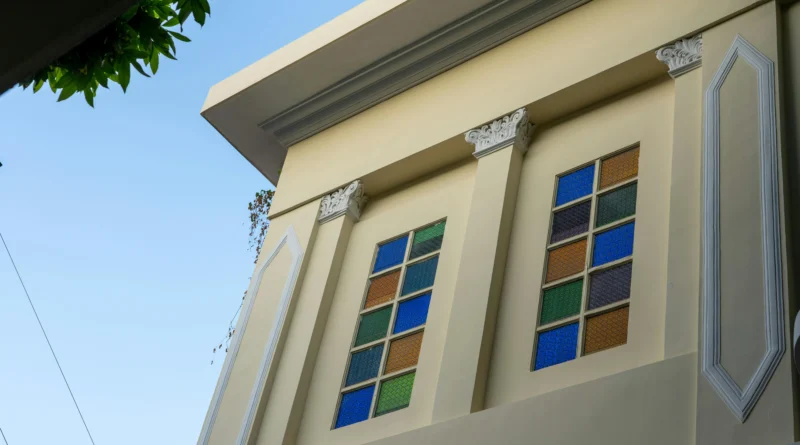
How To Create A Modern Building Facade Design
A modern building facade design goes beyond a simple visual element. It serves as the architectural voice that links the structure to its surroundings and to people’s daily lives. For those skilled in architecture and city planning, the facade blends beauty with practical needs. It shows off new material ideas, smart energy use, and a sense of local culture. This piece looks at ways to handle facade design from the first idea to the final build. It keeps a mix of fresh thinking and careful technical work.
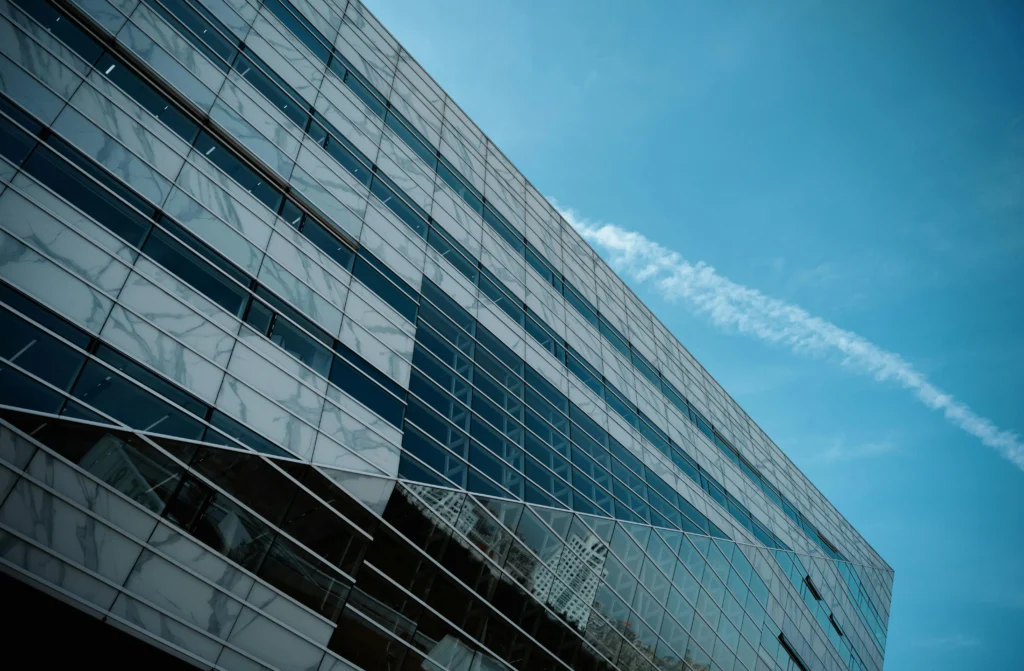
What Defines A Modern Building Facade Design?
A modern facade does not focus only on clean lines or wide glass areas. It follows a basic idea of joining shape and purpose. The chosen materials, shapes, and support systems need to fit the weather, the setting, and what users want. In current building styles, the facade works as a lively connection point. It handles light, warmth, and even the freshness of the air inside.
Material Innovation And Sustainability
Modern facades depend on smart materials such as strong glass, aluminum panels, or screens made of punched metal. These choices help control sun heat and cut down on power use. Take double-skin facades, for instance. They form a space that boosts warmth protection. At the same time, they let fresh air flow naturally. Builders pick materials for how well they can be reused. They also think about the carbon footprint from making them. This fits with goals for green building practices. In one project I recall from a sunny city, using recycled metal screens dropped energy bills by 25 percent over five years.
Integration Of Technology
Tools like BIM (Building Information Modeling) help designers test heat flow and light spread before any work starts on site. Software for parametric design lets you create tricky shapes that change with real weather info right away. This mix of tech brings exact results. Yet, it still leaves room for creative choices. It’s like having a digital twin of the building early on, which saves headaches later.
Expression Of Identity
The facade of a building can show a company’s image or the area’s history through its feel, shade, or patterns. Ceramic panels, for example, might nod to old local skills. But they still meet today’s tough standards for how well they work. The facade turns into a way to share stories. It speaks about the spot and what the building is for. Sometimes, this storytelling draws in visitors who linger just to look.
How Does Climate Influence Facade Design?
The weather plays a big role in whether a facade works well or wastes energy. A smart outer layer can lower power needs by as much as 40 percent in certain areas, according to a 2022 U.S. Department of Energy report. Knowing the local heat levels, moisture, and sun paths guides picks for shade tools and warmth barriers.
Passive Cooling Strategies
In warm places, flat shades or screens with holes block straight sun rays. They keep air moving freely. Materials that bounce back light cut down on heat buildup. Adding green walls or plant-covered sides helps too. Plants cool things by releasing water vapor. Picture a hot office block in Texas; those green features kept indoor temps down without extra AC on most days.
Thermal Insulation And Glazing
In cool areas, windows with three layers of glass and special coatings hold in heat. They keep views clear. Frames that break the cold path stop water drops from forming near edges. This fixes a usual problem in weak designs. It’s straightforward but makes a real difference in places like northern Europe during long winters.
Adaptive Facade Systems
Some buildings use moving facades that shift with sun strength or wind push. Sensors control them automatically. These setups blend machine work with building design. They respond to changes in the moment. Not every project needs them, though—think of a quiet library versus a busy airport terminal.
Why Is Context Important In Building Facade Design?
Each location tells its own tale, from crowded streets to old customs and past buildings. These shape how a new structure should look and act in its spot. Skipping this can lead to odd sights or poor work. Context keeps things fitting and useful.
Urban Integration
In busy city spots, facades need to let in light for day views. But they also guard privacy from nearby towers. Shiny layers can help with inside comfort. They avoid overwhelming other buildings. In a place like New York, this balance stops the street from feeling too closed in.
Cultural Sensitivity
Honoring local styles does not mean copying them word for word. It means pulling their key feel into a fresh shape. Stone or bricks from nearby sources link new spots to the area’s roots. Plus, it helps local workers and shops. I’ve seen this in Middle Eastern projects where modern twists on old arches blend right in.
Environmental Harmony
Context covers nature too, like hills, plants, and usual winds. A seaside building calls for finishes that fight rust from salt air. Desert ones focus more on shade than see-through parts. This matching makes the building part of the land, not against it. One coastal hotel I know used special paints that lasted twice as long as regular ones.
How Do You Balance Aesthetics With Functionality?
The skill in facade work comes from making it pretty yet useful. Eye-catching looks pull focus at first. But lasting strength and ease over many years mark true wins. It’s a juggle, really, and sometimes you learn from small fixes on site.
Structural Efficiency
Light cover systems ease the weight on main frames. They stay firm against gusts. Curtain wall setups often mix aluminum bars with glass fills. This gives both power and grace. In high-rises, this keeps things safe without adding bulk.
Maintenance Considerations
Thinking about cleaning and swaps early matters a lot. Coatings that clean themselves, using titanium dioxide, pop up more in dirty city air. They cut down on upkeep time. For a facade in a rainy spot, picking parts that dry fast avoids mold issues down the line.
Visual Rhythm And Proportion
Size and scale guide how people see things. Facades with steady patterns feel right, even if not even. Small changes in piece size or depth make shades that add layers. This works without spending extra on stuff. It’s like music— the beat keeps it flowing.
What Role Does Lighting Play In Modern Facade Design?
Light changes a building at night into a city highlight or a soft shadow, based on the goal. It brings out key parts and adds safety near doors and walks. Good lighting ties the day and night together smoothly.
Daylight Optimization
Bringing in as much day light as possible cuts the need for fake lights in the day. Shelves for light push sun rays farther inside. They cut glare by windows. Offices have used this since the 1990s to keep workers comfy. In one school redesign, it meant 30 percent less power for lights all year.
Nighttime Illumination Strategy
LED lights give sharp control on warmth of color and brightness with low power draw. Builders often hide them in upright lines or roof edges. This makes strong effects without shouting. It’s subtle, but it turns a plain wall into something memorable after dark.
Smart Lighting Control Systems
Linking to sensors for movement or people presence tunes the light based on what’s happening around the edges. This sharpens savings. For a shopping center, it meant lights dim when crowds thin out, saving on bills without losing the welcome feel.
How Can Digital Tools Improve The Design Process?
Going digital has changed how builders dream up facades. From rough sketches of bendy forms to checking real stats before digging starts, it’s a game-changer. These tools make the whole flow quicker and surer.
Parametric Modeling Techniques
Tools like Grasshopper let you test ideas over and over. Things like shade tilt or space between parts shift fast with data on sun paths. It’s hands-on, almost like tweaking a model in real time. This helps spot weak spots early, before costs pile up.
Simulation And Analysis Software
Programs for energy checks guess yearly heat and cool needs under various cases. They help tweak glass amounts in the start phases. This beats fixing things after build, which hits the wallet hard. In practice, teams use these to aim for green certifications without guesswork.
Collaboration Platforms
Online spots in the cloud help architects, engineers, and builders work together. They keep things matching across groups. This cuts mistakes in making parts, especially for twisty shapes. Modern facades pull in many specialists for exact fits. Millimeter-level care comes from shared files. Top firms do this every day. It keeps them ahead in the world market. They turn out standout buildings everywhere. And honestly, without it, delays would eat up projects—I’ve heard stories of months lost to miscommunications.
FAQ
Q1: What materials are most commonly used in modern building facades?
A: Usual picks include strong glass, aluminum composite panels, terracotta rainscreens, and fiber cement boards. Each fits for lasting strength, weather toughness, and look options. Choices depend on the job’s needs, spot, and weather setup.
Q2: How does facade design affect energy efficiency?
A: A good outer wrap lowers heat and cool demands. It boosts fresh air flow and day light use. This brings big power cuts over the building’s full life. In real terms, one office saved enough to pay back design costs in three years.
Q3: Are kinetic facades practical for all types of buildings?
A: No, not always. They work best for big public or business spots. The starting cost pays off with long-run gains there. For small homes, basic fixed setups cost less and do the job fine. It’s about matching the scale.
Q4: What software tools assist most during facade development stages?
A: Builders often turn to Rhino, Grasshopper, Revit, and Autodesk Insight. These handle shaping, checking, and team work. They smooth the path from first drawings to build plans. Without them, the process drags.
Q5: How important is maintenance planning during initial design?
A: Very key. Skipping easy access for fixes leads to early wear and higher bills later. Picking tough layers and swap-ready parts eases care. It stretches the whole thing’s life. Think of it as building in longevity from day one.