
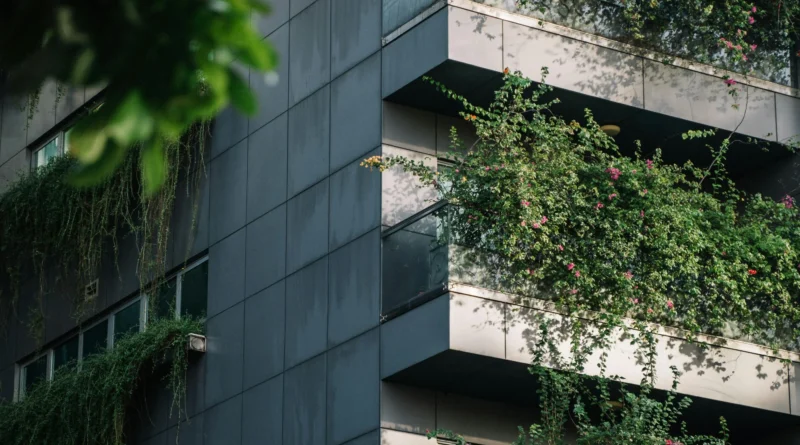
What Are The Principles of Sustainable Building Design
Sustainable building design takes a key place in modern architecture and city planning. It goes beyond just building places that cut down on energy. Instead, it shapes spaces that fit nicely into their surroundings. These spaces cut back on resource needs and help the health of people inside them. When you plan for sustainability, you look at the full life of a building. This starts from finding materials and goes to breaking it down or reusing parts. The article checks out the main ideas that push sustainable building design. It also covers how these ideas change building ways in the years ahead. Last year, a trip to a new office stuck in mind because of all the daylight pouring in. That kind of setup makes you think hard about how small picks affect daily habits. Sometimes, those choices surprise you with extra perks, like better moods on cloudy days.
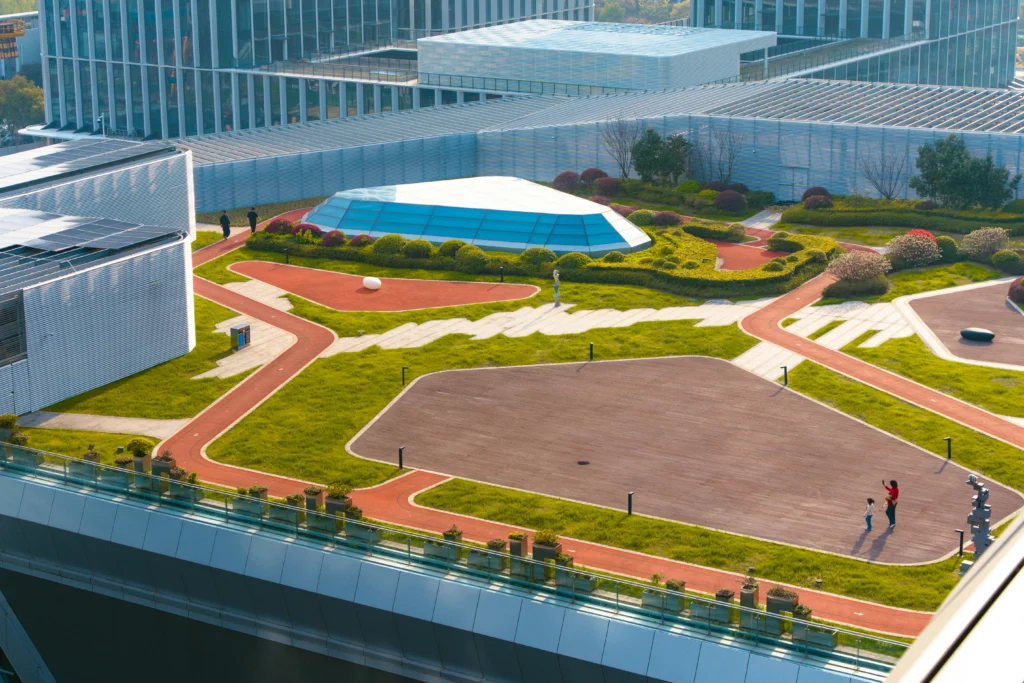
Why Is Energy Efficiency Central to Sustainable Building Design?
Energy efficiency acts as a main base in sustainable building design. It affects harm to the earth and everyday costs. Buildings that use less power when built and run shrink their carbon mark a lot. At the same time, they offer more ease to folks who use them. Think of a plain home close by that added better windows. Those changes dropped heating bills by 30 percent over one cold season. Real cash comes back to the people who own it. In places with high energy prices, like parts of Europe, these saves add up fast.
Passive Design Strategies
Passive design pulls in natural things like sun rays, air currents, and walls that store heat to handle inside warmth. For example, a building aimed right catches more sun. This cuts the need for man-made lights. In chilly spots, windows pointed south pull in sun heat during winter. So, these easy shape choices bring big power cuts as time passes. The method counts on smart setup, not high-tech tools. It works well with little day-to-day work. Builders in sunny areas often mix this with shade trees to avoid summer heat buildup.
High-Performance Insulation and Glazing
Strong insulation blocks heat from leaving in winter. It keeps inside spots cool in hot times too. Things like aerogel sheets or triple-glazed windows give great heat hold-back. They keep the look nice as well. The goal is even inside weather with less machine help. Fixing up old houses with these often gets comments on more warmth. Homeowners say they turn down the heat less often. In rainy climates, these setups also fight dampness, which can lead to mold issues if ignored.
Renewable Energy Integration
Bringing in clean power like solar panels or ground heat systems lets buildings make their own juice. Lots of builders fit solar cells straight into the roof now. They blend in without messing up the view. Upfront money runs more, sure. But over the long run, the cuts in bills and less smoke make it smart. Imagine a school near here that runs half its bulbs on sun power. Kids pick up real tips on green ways right in their schoolyard. Projects like that show how schools can lead in teaching about clean energy without extra classes.
How Does Material Selection Influence Sustainability?
Choosing the right materials sets a building’s look and its pull on the world around. Green materials trim down junk, take less power to make, and usually clean up inside air better. It feels like picking main parts for a dish. The base items shape the end result the most. Many times, folks skip over how far materials come from. But that trip adds hidden loads to nature. On crowded build sites, fast picks for materials hurry things along. Yet, they can miss out on lasting downsides. In one case, a team switched to local picks after a supply chain snag, which saved time and cut costs by 15 percent.
Locally Sourced Materials
Getting stuff from close spots lowers smoke from trucks and boats. Plus, it keeps cash in the area. Wood cut from nearby trees or rocks dug from local spots uses way less total power than far-off items. This way makes moving things easier and keeps jobs around. One build job gained from using stone from right there. It skipped weeks of wait from deliveries in bad weather. Local choices also build ties with nearby suppliers, which helps in future projects.
Recycled and Recyclable Materials
Reusing items stretches how long they last. It keeps trash out of piles at the same time. Stuff like steel, glass, and saved wood holds up good through many uses. Some planners try new paths, like pressed dirt chunks or mixes from old plastics. These picks keep up good levels. And they add a special past to the building. Picture outside walls built from bottles that once had drinks. Bits like that bring style and push for more reuse. In urban spots, finding recycled goods can take extra hunting, but it pays off in stories for the finished work.
Low-VOC Finishes
Paints or sticks that let out bad smells hurt the air folks breathe inside. Going for low-VOC or from plants builds better inside spots. This matches up with rules like LEED or BREEAM. It’s a small switch, but it brings gains like fewer sick days for people there. Papers show that work areas with clean air have less time off for health reasons. Easy fixes like this build up to clear better runs in daily work. Over years, that adds to happier teams and lower sick leave costs, around 10 percent in some office setups.
What Role Does Water Management Play in Sustainable Design?
Water gets scarcer in many world places, so smart water handling turns key in green builds. Structures have to save water inside and out. They do it with useful tools and careful yard plans. Holding back just a bit of water counts, but building lasting ways matters more. These ways stand up to hard times, like dry periods hitting farms close by. In dry lands, tiny setups can stop bigger problems down the road. Water woes often tie into bigger weather shifts, making these plans even more urgent.
Rainwater Harvesting Systems
Setups to grab roof water keep it for things like plant watering or toilet cleans. This lessens pull on city pipes. It deals with extra flow in heavy rains too. So, it aids saving and stops floods. A community spot close by pulls in enough rain to keep its yard plants going all summer. No link to main water happens then. In rainy seasons, these tanks fill quick, giving a buffer for dry months ahead.
Greywater Recycling
Greywater comes from sinks or baths. Cleaning it lets use again for yards or washes. Twin pipe lines keep safe by splitting clean water off. This setup turns waste into useful flow. It mixes real use with bill drops. In dry zones, it means the difference between full green yards and dry ones. Rules in each place change how it’s done, which adds steps to the plan. Still, once set, it runs smooth with little watch.
Drought-Resistant Landscaping
Plants from the area deal with local weather on little water. This cuts back on hose time. Methods like xeriscaping mix good water ways with better ground to keep plants thriving in dry spots. Time and money go down. Walking these yards shows life with almost no wet. Proof from normal home lots backs that it works. Care stays easy, which suits folks with full days. Adding a few local flowers can make it feel more homey without extra work.
How Does Indoor Environmental Quality Affect Occupant Well-Being?
Green buildings put people first next to earth care. Inside air quality looks at clean air, light strength, sound hold, and steady temps. Every part helps body health and work output. Without them, nice-looking buildings feel wrong. Small things, like moving fresh air in sticky weather, keep people around longer. Good mix here stops usual gripes in group areas. In tight offices, these tweaks can cut stress reports by half, based on worker surveys.
Natural Ventilation Systems
Plans that push air through rooms bring outside breeze without fans. Windows you can open, set with wind flows, boost the move. This eases load on air units. So, spots stay fresh and not too warm on their own. Looks from hot city studies point to cutting cool power in half where it fits. How you use it changes with the building’s face and land setup. In windy spots, it works best, but calm days might need a backup plan.
Daylighting Optimization
Adding more sun light lifts feelings and skips often light use. Builders use things like light bounce shelves, top windows, or bright walls to spread it out even. This stops too-strong spots that bother eyes. Results mean happier and quicker people inside. One work spot had big top lights that changed the whole feel. It felt like outside room but safe from wet. On sunny days, it brightens moods, though blinds help on super bright ones.
Acoustic Comfort
Cutting noise raises how happy people feel. Things that eat sound, like cork floors or special top covers, make calm work areas. This helps focus better. In loud places, it changes everything. Think of a quiet room where low talks stay low. No breaks pull you from jobs, so deeper work happens. In schools, this setup cuts chatter, helping kids learn more without constant reminders.
Why Is Life Cycle Assessment Important in Building Design?
Life Cycle Assessment looks at earth effects over every step of a building’s days. It covers pulling raw stuff to daily runs and ends with take-apart or new use. Full check finds weak spots quick. It acts like a full health look for the job. It fixes possible bad parts before they grow. Skipping it might fix one thing but start others later. Deep looks often show odd links between start and end parts. In big projects, this saves headaches, like when a material choice affects end waste by 25 percent.
Embodied Energy Analysis
Embodied energy adds up all power used to build and shift parts. Picking ones with less, like bamboo tops over heavy concrete, cuts total harm. This keeps the earth hit small right from go. Simple swaps can drop use by near 20 percent, from build notes. Choices at this point guide the whole job’s path. Teams often debate options here, weighing cost against green wins.
Operational Energy Evaluation
Checking daily power use gives hints on long green work. Tools like smart meters watch how much goes out close up. Changes come when needed. Even runs keep on for years. Hands-on work happens, as bosses check numbers often to tweak lights or heat. This builds ways that fit changing times. Monthly checks catch small drifts, keeping bills steady.
End-of-Life Considerations
Planning for break-down lets parts like metal frames or side covers go to new spots. Block-style builds make changes easy and cut junk from tear-down. Looking ahead covers end times. Real results mean less pile-up at dumps and longer life for stuff. An old store spot got rebuilt with this. It kept lots of metal from trash. Such moves turn waste into wins, especially in crowded cities short on space.
How Can Smart Technologies Enhance Sustainable Building Performance?
New tech moves green goals forward by watching live and changing quick to weather or people shifts. Buildings get smart, acting on their own to fits. But leaning on wires needs good mix of watchers and soft-ware. Now and then, bugs show weak sides, like when heat sets fail in bad storms. Trust gets better with regular fixes, but start setups call for know-how. In smart homes, users sometimes tweak apps daily, adding a personal touch.
Building Automation Systems
Auto setups run lights, warm, air move, and doors by who is there. Watchers pick up facts. Power goes just where wanted. Ease stays up without extra. Work goes on quiet. Big work buildings see 15 to 25 percent less power from energy checks. Mix covers many parts for smooth team. In hotels, this cuts energy waste during off-peak hours nicely.
Smart Metering Solutions
Smart meters follow power and water use in fine detail. This lets leaders spot waste fast. Fixes use the info got. Lessons from it grow better ways bit by bit. It fits like a score sheet, showing ups and downs now and then. Weekly looks guide aimed fixes. Over a year, data helps plan big changes, like new lights.
Predictive Maintenance Tools
Smart think tools guess breaks from watcher data. Spotting early shortens stop times. Gear life stretches, skipping big fix money. In the end, cheap and less earth hurt come. Factory places using it see less surprise stops. Even flow follows, helping all work better. In car plants, this keeps lines running, saving thousands in lost time.
How Do Policy Frameworks Support Sustainable Building Practices?
Gov rules and pick-your-own badges give clear paths to green ways in build fields around the world. They set aims and rewards that pull folks in wide. Without them, steps forward might slow in some spots. Rewards get small builders in too. Mix of must-dos and helps drives real steps. Changing rules match new tech, holding levels up to date. Local groups often push for tougher rules after seeing good results nearby.
Green Building Certifications
Plans like LEED set plain aims on land pick, stuff use, water hold, power wins, and fresh ideas. Teams stick to these for better ends. Help runs from start to finish. Many jobs chase points in each part to get the mark. Wins go to earth help and better group name. Chase usually means team work from draw to done. In the US, over 2 million square feet get certified yearly, showing wide reach.
National Energy Codes
Many lands set rules that call for base levels on heat holds or clean power in new builds. This spreads green steps over homes and shops. Slow start builds big change. Updates every few years add new finds, making rules stricter step by step. Follow changes by area, shaping home ways. In the EU, codes push for near-zero energy buildings by 2030.
Urban Planning Incentives
City heads give pluses like tax cuts or quick yes for green jobs. This joins money sense with earth watch. Builders see the good and go for it. One town saw a full block of green homes built. It drew families who like that life. Group wins come from shared green yards and less shared resource pull. Such perks often spark neighborhood talks on going greener together.
FAQ
Q1: What Is the Primary Goal of Sustainable Building Design?
A: Its main goal is to minimize environmental impact throughout a building’s life cycle while improving occupant health and resource efficiency. Basically, balance shapes it. Earth guard happens without making life tough for people.
Q2: Which Materials Are Considered Most Sustainable?
A: Bamboo, recycled steel, reclaimed wood, rammed earth blocks, and low-carbon concrete mixes are widely recognized as sustainable due to renewability or recyclability factors. Their easy get and simple re-use set them apart clear.
Q3: How Does Daylighting Contribute to Sustainability?
A: Daylighting reduces artificial lighting needs by harnessing natural sunlight effectively. It cuts electricity consumption. It also enhances occupant well-being through exposure to natural light cycles. Sun time beats long fake light for feel good.
Q4: Are Smart Technologies Essential for Green Buildings?
A: They are increasingly vital since automation systems enable precise control over energy usage patterns. They help maintain consistent efficiency levels across seasons without manual intervention. Without them, you lose easy shifts that save big work.
Q5: What Certification Should Architects Aim For?
A: LEED certification remains one of the most respected benchmarks globally. Other frameworks like BREEAM (UK) or Green Star (Australia) provide region-specific guidance aligned with similar sustainability principles. Pick depends on spot. All move green aims ahead well.