
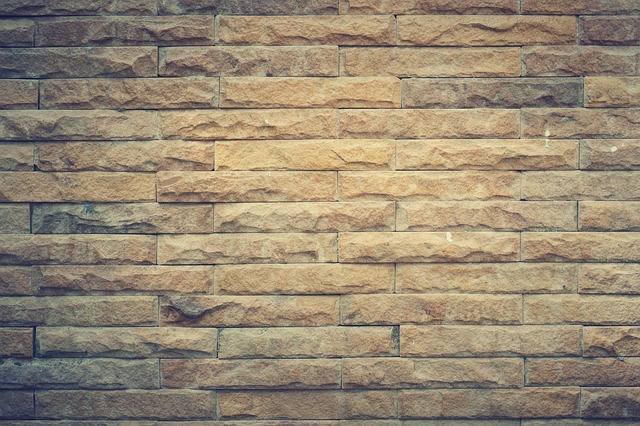
Is Brickwork Facade the Defining Element of Artist-Inspired London Homes
Artist-Inspired London Home Features Striking Brickwork Facade
London’s artist-inspired homes reveal how architecture can embody creative identity. The city’s evolving skyline, layered with centuries of material experimentation, continues to find new expression through brick façades that merge craftsmanship with modern sustainability. Brickwork not only preserves London’s architectural continuity but also acts as a medium for artistic storytelling. These homes integrate renewable power sources and energy-efficient systems while maintaining tactile authenticity. The result is a built environment that reflects both artistic intent and ecological awareness—an architectural language rooted in history yet open to reinterpretation.
Architectural Identity in Artist-Inspired London Homes
The architecture of artist-inspired homes in London often communicates identity through visual form and material presence. Façade design becomes a narrative tool, linking cultural memory with personal creativity.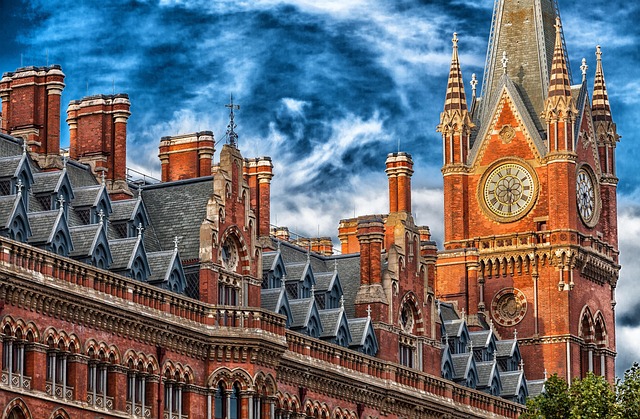
The Role of Facade Design in London’s Architectural Language
Façade design serves as a reflection of cultural and artistic narratives that define the city’s visual rhythm. In many artist homes, the façade operates as both canvas and boundary, translating private expression into public view. The layering of materials, fenestration patterns, and textural contrasts convey individuality while maintaining harmony with the surrounding urban fabric.
The Influence of London’s Architectural Heritage on Contemporary Artist Homes
London’s architectural heritage provides a deep reservoir of stylistic references—from Georgian symmetry to Victorian ornamentation and postwar modernism. Contemporary artist residences reinterpret these precedents through minimalist detailing or sculptural massing. This balance between preservation and innovation allows new buildings to converse with their historic context without imitation.
How Materiality Contributes to the Visual Identity of Residential Architecture
Materiality defines the tactile experience of architecture. In London, brick remains a dominant choice because it carries both historic resonance and sensory richness. Artists often select materials for their expressive potential: rough textures capture light differently throughout the day, while subtle color variations evoke emotional tone. This attention to surface quality transforms façades into living artworks that change with weather and time.
The Emergence of Brickwork as a Defining Aesthetic Element
Brick has reemerged as a central motif in London’s creative housing landscape. Its adaptability allows architects to explore texture, geometry, and symbolism within a single material system.
Brickwork as Both a Traditional and Modern Architectural Choice
Brick bridges tradition and modernity. Its use in artist-inspired homes connects contemporary design with centuries-old craftsmanship. While traditional bonds such as Flemish or English patterns remain popular, architects now experiment with perforated screens or protruding courses that create shadow play and depth.
Textural and Tonal Variations in Brick That Shape Visual Rhythm
The rhythmic composition of brick façades depends on tonal contrast and joint detailing. Hand-pressed bricks introduce slight irregularities that lend warmth to otherwise minimalist forms. Light-colored mortar can accentuate pattern clarity, while recessed joints emphasize shadow lines—techniques that subtly animate the building surface.
The Symbolic Connection Between Craftsmanship and Artistic Expression
Craftsmanship holds symbolic value for artists who view construction as an act of making akin to studio work. Each laid brick represents intention, patience, and precision—qualities shared between artisan builders and visual artists. This alignment reinforces the home as both dwelling and artwork.
Material Expression and Artistic Intent
Material choices reveal artistic philosophy more than aesthetic preference alone. For many artist homeowners in London, authenticity lies in tactility rather than ornamentation.
The Relationship Between Material Authenticity and Artistic Vision
Artists often prefer enduring materials like brick because they age gracefully while retaining structural integrity. Brick conveys permanence without rigidity; its imperfections express individuality. Handcrafted details such as custom lintels or patterned reliefs enhance façade articulation, emphasizing human touch over industrial uniformity.
Interplay Between Light, Shadow, and Surface Texture
Brick surfaces interact dynamically with natural light across different times of day. Morning sunlight may highlight rough textures; evening shadows deepen color saturation. Architects exploit this variability through layered masonry or alternating projections that create shifting compositions—essentially turning façades into kinetic artworks responsive to their environment.
Contextual Integration in Urban Fabric
Artist-inspired homes must negotiate between self-expression and contextual respect within London’s dense urban fabric.
Responding to London’s Historic Streetscape
Brick façades maintain continuity with neighboring buildings while introducing subtle modern reinterpretations. Aligning cornice heights or window proportions preserves streetscape rhythm even when materials or detailing differ. Locally sourced clay bricks strengthen this dialogue by rooting new structures within regional geology.
Sustainability Considerations in Material Selection
Sustainability now shapes material decisions alongside aesthetics.
Renewable Power Sources and Energy Efficiency Integration
Integrating renewable power sources such as solar panels or ground-source heat pumps complements brick construction due to its thermal mass properties. Energy-efficient detailing—like insulated cavity walls or triple glazing—enhances performance without altering appearance. Passive strategies including orientation optimization reduce energy demand naturally.
Lifecycle and Environmental Performance of Brickwork
Brick offers long-term durability that minimizes maintenance cycles over decades. Its recyclability supports circular construction practices by allowing reuse after demolition. Advances in low-carbon manufacturing processes have further reduced embodied energy per unit, aligning traditional craftsmanship with contemporary environmental goals recognized by international standards like ISO 14040 on life-cycle assessment.
Artistic Influence on Spatial Composition and Exterior Form
Artistic thinking extends beyond surface treatment into spatial geometry and volumetric balance.
Translating Artistic Concepts into Architectural Geometry
Abstract art principles often inform massing strategies—repetition, rhythm, proportion—all visible in façade modulation or window alignment. Some designs echo brushstroke sequences through alternating recesses; others employ sculptural projections reminiscent of relief art to animate planar surfaces.
Collaboration Between Architects, Artists, and Craftspeople
Cross-disciplinary collaboration ensures conceptual coherence from sketch to structure. Architects translate artistic vision into buildable form; craftspeople execute intricate masonry patterns requiring high skill levels rarely automated successfully. These partnerships yield façades where conceptual artistry meets technical mastery without sacrificing function or sustainability.
Reinterpreting Tradition Through Contemporary Practice
Modern technology has expanded what is possible within traditional mediums like brickwork while preserving their tactile authenticity.
Modern Technologies Enhancing Traditional Brickwork Techniques
Digital fabrication tools enable precise modeling of complex masonry geometries before physical assembly begins. Prefabricated modules speed installation yet retain handmade quality when combined with artisanal finishing techniques on-site. Hybrid compositions pairing brick with glass or metal introduce contrast that highlights each material’s inherent character rather than concealing it.
The Future Direction of Artist-Inspired Residential Architecture in London
Future artist homes will likely continue emphasizing authenticity paired with sustainability imperatives such as integrated renewable energy systems visibly expressed within design language—solar tiles replacing conventional roof slates or photovoltaic glazing doubling as shading devices. As environmental standards tighten across Europe under frameworks like IEA Net Zero guidelines, brickwork remains poised to anchor this evolution: timeless yet adaptable enough for twenty-first-century artistry.
FAQ
Q1: Why do artists favor brick for their London homes?
A: Brick provides tactile richness, durability, and expressive potential unmatched by synthetic materials while connecting contemporary design to historical context.
Q2: How does brick contribute to energy efficiency?
A: Its thermal mass stabilizes indoor temperatures by absorbing heat during the day and releasing it at night, reducing reliance on mechanical heating or cooling systems powered by renewable sources.
Q3: Can traditional brickwork meet modern sustainability standards?
A: Yes, innovations such as low-carbon production methods and recyclable components align traditional masonry with current ISO environmental performance criteria.
Q4: What role does light play in shaping façade perception?
A: Light accentuates texture; changing angles throughout the day transform static walls into dynamic compositions emphasizing depth and rhythm.
Q5: How are digital tools influencing contemporary brick architecture?
A: Advanced modeling software allows precise control over complex patterns before construction begins, enabling architects to merge artisanal craftsmanship with technological accuracy efficiently.