
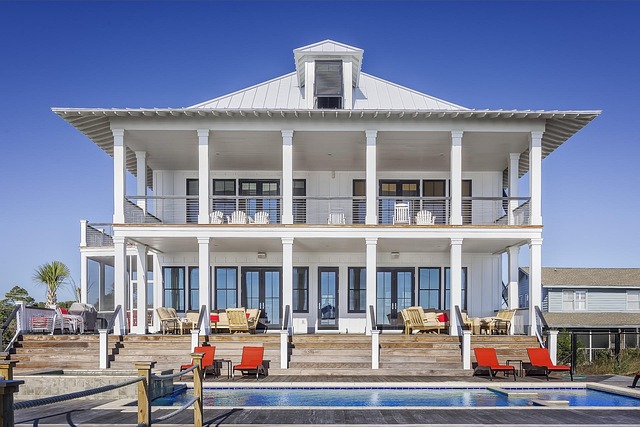
Can A Facade Home Redesign Transform The Functionality Of Compact Spaces
Architect Renovates A Compact Home With A Modern Facade
A compact home can achieve remarkable transformation through a carefully redesigned facade. The architect’s task is not only aesthetic but also spatially strategic, merging visual appeal with tangible functionality. By employing adaptive materials, smart systems, and layered geometry, a small residence can feel larger, brighter, and more efficient. The modern facade home now acts as an intelligent skin—balancing privacy, climate control, and natural light—while maintaining harmony with its urban surroundings.
Understanding the Concept of Facade Home Redesign?
The redesign of a facade home requires both architectural precision and contextual awareness. It serves as the interface between private living space and the external environment, shaping how occupants interact with light, air, and texture.
Defining a Facade Home in Modern Architecture
A facade home emphasizes the building’s outer shell as an active design element rather than a static barrier. In modern architecture, it integrates structural rhythm with aesthetic expression. The facade mediates between interior comfort and environmental exposure by controlling temperature shifts and daylight access. This dual role enhances both usability and energy performance while preserving architectural identity.
The Role of Facade Redesign in Space Optimization
Redesigning the facade can significantly alter spatial experience without modifying internal layout. Through careful alignment of openings, reflective surfaces, and material layering, architects reconfigure how light moves through confined interiors. When geometric precision meets thoughtful material choice—such as perforated metal or translucent glass—the boundary between inside and outside begins to blur. This illusion of depth expands perceived space in compact homes.
Functional Transformation Through Facade Innovation
Innovative facades do more than decorate; they redefine functionality in small dwellings. The integration of adaptable elements allows for dynamic use of limited space while improving comfort levels across varying conditions.
Integrating Multi-Functional Facade Elements
Contemporary facades often employ movable panels or sliding systems that act as both shading devices and spatial dividers. These components support flexible living arrangements where privacy and openness coexist. Modular parts can be reconfigured based on daily routines—a key advantage for small residences where every square meter matters. Smart facades equipped with responsive sensors further enhance thermal regulation and light control.
Enhancing Natural Light and Ventilation in Compact Spaces
Natural illumination remains central to any efficient design strategy for small homes. Transparent or semi-permeable materials distribute daylight evenly across interiors, reducing reliance on artificial lighting. Cross-ventilation achieved through aligned openings encourages fresh air circulation even in dense neighborhoods. Vertical louvers or shading fins balance exposure with privacy while maintaining airflow continuity.
Materiality and Structural Considerations in Compact Design
Material selection directly impacts both aesthetics and performance in facade redesigns. For compact homes, each component must contribute to structural efficiency without compromising elegance.
Choosing Materials that Support Functionality and Aesthetics
Lightweight composites such as fiber-reinforced panels minimize load yet maintain rigidity. Reflective coatings amplify brightness indoors by diffusing sunlight across surfaces—a subtle technique that visually enlarges interiors. Sustainable materials like recycled aluminum or engineered timber provide environmental value while ensuring durability under varying weather conditions.
Structural Adaptations for Limited Footprints
Architects often rely on structural creativity to extend usable volume without expanding footprint. Cantilevered extensions add depth to facades while preserving ground space below. Built-in storage niches integrated into exterior planes offer concealed functionality that reduces interior clutter. Load-bearing facades further free up internal partitions, allowing open-plan layouts ideal for compact living.
Technological Integration in Facade Systems for Small Homes
Technology has become integral to modern facade design, enabling real-time adaptability to environmental changes while improving overall energy efficiency.
Smart Facade Technologies for Space Efficiency
Automated shading adjusts according to sun angle or occupancy patterns, maintaining comfort throughout the day. Dynamic glazing modulates transparency levels to manage heat gain during warmer seasons. IoT-enabled sensors embedded within panels collect data on humidity and temperature for predictive maintenance—an emerging trend among high-performance residential projects.
Digital Tools in Designing Functional Facades
Digital modeling tools have revolutionized how architects conceptualize small-space facades. Parametric modeling simulates solar exposure patterns before construction begins, allowing precise calibration of openings and materials. BIM integration ensures coordination between structural engineers and designers throughout the process, minimizing errors during fabrication. AI-assisted programs now analyze material efficiency metrics tailored specifically for compact housing typologies.
The Psychological Impact of Facade Redesign on Small Living Spaces
Beyond physical transformation lies psychological influence: how a redesigned facade reshapes perception of space, comfort, and belonging within confined environments.
Visual Expansion Through Architectural Illusion
Layered textures combined with subtle color gradients create depth perception even within narrow rooms. Windows positioned strategically frame outdoor greenery or sky views that extend visual boundaries beyond walls—a trick often used in urban apartments facing tight courtyards. Reflective finishes connect interior surfaces with exterior landscapes, fostering continuity between zones.
Enhancing User Experience Through Environmental Harmony
Balanced daylight exposure improves circadian rhythm stability among occupants while supporting mental clarity during daytime activities. Acoustic buffering embedded within multi-layered facades reduces city noise intrusion—a critical factor in dense metropolitan settings like Tokyo or New York. When proportionate composition aligns with natural rhythm, inhabitants experience emotional attachment to their surroundings rather than spatial constraint.
Urban Implications of Facade Redesign for Compact Residences
Compact housing solutions must address broader urban issues including sustainability targets and community coherence through thoughtful facade strategies.
Adapting Facade Strategies to Dense City Environments
Responsive systems help mitigate heat island effects common in dense cities by reflecting solar radiation away from building clusters. Vertical greenery incorporated into facades filters airborne pollutants while enhancing microclimate quality around residential blocks. Context-sensitive detailing—color palettes or modular rhythms—ensures visual consistency within mixed-use neighborhoods without sacrificing individuality of each unit.
The Future Direction of Compact Housing Design Through Facade Innovation
Emerging bio-composite materials promise lightweight adaptability suitable for prefabricated modules used in small-scale projects. Prefab assembly accelerates construction timelines while allowing homeowners customized finishes at reduced cost—a growing demand among urban dwellers seeking flexible ownership models similar to “any small storage places near me” services offering modular expandability on demand. Future design thinking will merge sustainability principles with digital fabrication methods to produce human-centric architecture that evolves alongside its users’ lifestyles.
FAQ
Q1: What defines a modern facade home?
A: A modern facade home integrates exterior aesthetics with environmental performance by combining adaptive materials, smart technologies, and contextual sensitivity into one cohesive system.
Q2: How does facade redesign improve spatial experience?
A: It manipulates light flow, ventilation paths, and reflective surfaces to create an illusion of expanded interiors without physically enlarging the building footprint.
Q3: Which materials are most effective for compact home facades?
A: Lightweight composites, reflective glass coatings, and sustainable timber products perform well due to their balance between strength, insulation capacity, and visual refinement.
Q4: Can technology enhance energy efficiency through the facade?
A: Yes; automated shading systems, dynamic glazing technologies, and IoT-based monitoring platforms collectively reduce energy consumption while maintaining indoor comfort levels.
Q5: Why is psychological impact important in small home design?
A: Because perception influences satisfaction; well-lit spaces with visual continuity foster openness and calmness even within limited square footage—a crucial factor for long-term livability in compact residences.