

What Makes Green Architecture the Core of Sustainable Architecture Today
What Is Green Architecture, and Why Is It Essential for Sustainable Living?
Green architecture is not just a design trend but a fundamental shift in how the built environment interacts with nature. It prioritizes energy efficiency, resource conservation, and human well-being. By aligning with sustainable development principles, green architecture addresses climate challenges while improving quality of life. Its essence lies in designing buildings that consume less, last longer, and coexist harmoniously with ecosystems. From material selection to energy systems, every choice reflects an ethical stance toward environmental stewardship and future resilience.
Understanding Green Architecture in the Context of Sustainability
Green architecture represents a holistic vision where environmental responsibility becomes intrinsic to design thinking. It unites technology, culture, and ecology into a single architectural philosophy that promotes balance rather than dominance over nature.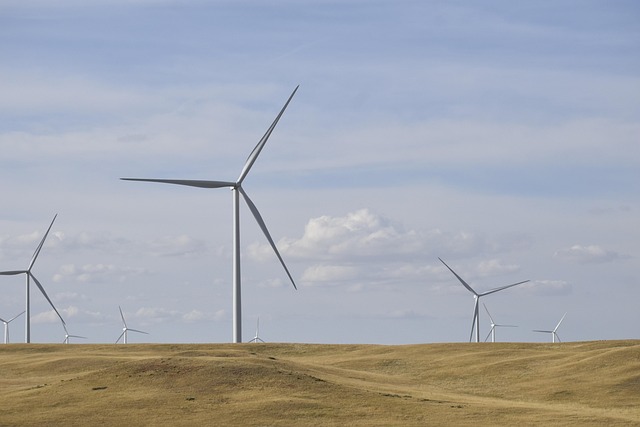
Defining Green Architecture and Its Core Principles
Green architecture integrates environmental responsibility into building design. It focuses on minimizing ecological impact through energy efficiency, material selection, and site integration. The approach emphasizes harmony between built environments and natural ecosystems. In practice, this means designing structures that adapt to their surroundings—using local materials, responding to climate conditions, and reducing waste throughout their lifecycle.
The Relationship Between Green Architecture and Sustainable Development
Sustainable development goals align closely with the objectives of green design. Architectural strategies support long-term ecological balance and social well-being by reducing carbon emissions, conserving resources, and enhancing urban livability. Integration of renewable resources ensures resilience in urban growth, creating communities capable of adapting to environmental shifts without sacrificing comfort or performance.
The Material Dimension of Green Architecture
Material choice defines much of a building’s sustainability footprint. Selecting low-impact materials reduces embodied carbon while improving durability. Architects increasingly view materials not as static elements but as active participants in ecological cycles.
The Role of Natural Materials in Sustainable Design
Natural materials such as stone, wood, and clay reduce embodied energy and enhance indoor environmental quality. Locally sourced materials lower transportation emissions and support regional economies while reinforcing cultural identity. Stone’s thermal mass stabilizes indoor temperatures; wood contributes warmth both visually and environmentally; clay regulates humidity naturally—together they form the foundation for resilient construction.
Stone Facade on House as a Model of Material Efficiency
A stone facade on house exemplifies material efficiency in practice. Stone facades improve thermal insulation, reducing heating and cooling demands throughout the year. Their longevity decreases maintenance costs and waste generation over time. Aesthetically, stone connects modern structures with traditional craftsmanship while maintaining sustainability goals—bridging heritage with innovation in one enduring surface.
Energy Efficiency as the Structural Foundation of Green Architecture
Energy performance remains at the heart of sustainable building design. Efficient systems reduce operational costs while cutting emissions—a dual benefit that strengthens both economy and ecology.
Passive Design Strategies for Energy Conservation
Passive design strategies rely on natural forces rather than mechanical systems. Building orientation maximizes natural light and ventilation; thermal mass materials regulate indoor temperature fluctuations; shading devices minimize solar gain during warmer months. These methods collectively reduce dependence on artificial heating or cooling systems while improving occupant comfort year-round.
Integration of Renewable Energy Systems in Building Design
Modern green buildings integrate renewable technologies seamlessly into their structure. Photovoltaic panels convert solar energy into electricity for on-site use; geothermal systems exploit stable underground temperatures for heating and cooling; smart energy management systems analyze real-time data to adjust consumption patterns efficiently. Together these innovations transform buildings from consumers into producers of clean power.
Water Management and Ecological Integration in Green Buildings
Water scarcity drives innovation in sustainable architecture today. Effective water management not only conserves resources but also strengthens ecological relationships between buildings and landscapes.
Techniques for Efficient Water Use and Recycling
Rainwater harvesting systems capture precipitation for reuse, reducing dependence on municipal supplies. Greywater recycling supports irrigation and non-potable uses within buildings such as toilet flushing or cleaning operations. Low-flow fixtures contribute to significant reductions in water consumption without compromising user experience—a small adjustment yielding substantial long-term savings.
Landscape Design as an Extension of Sustainable Architecture
Landscape design acts as an ecological buffer around built environments. Native plant species promote biodiversity while requiring minimal irrigation; permeable surfaces mitigate stormwater runoff; green roofs improve insulation while reducing urban heat island effects. When planned cohesively, outdoor spaces become functional ecosystems that complement architectural intent rather than merely decorate it.
Human-Centric Aspects of Green Architecture
At its core, sustainability also concerns people—their health, comfort, productivity, and emotional connection to space all depend on thoughtful environmental design choices.
Enhancing Indoor Environmental Quality for Occupant Well-being
Proper ventilation systems maintain optimal air quality by controlling humidity levels and removing pollutants. Non-toxic materials prevent off-gassing of harmful chemicals indoors—a critical factor given most people spend over 80% of their time inside buildings (data from WHO). Daylighting strategies balance brightness with glare control to improve mood, productivity, and circadian rhythm alignment among occupants.
Biophilic Design as a Bridge Between Nature and Built Environments
Biophilic design integrates natural elements like light patterns, vegetation walls, water features, or organic forms within interiors. This approach strengthens psychological connections to nature even within dense cities. Studies show exposure to greenery enhances cognitive performance, creativity, and emotional stability—a reminder that sustainability extends beyond metrics into human experience itself.
The Evolving Role of Technology in Advancing Green Architecture
Technology now serves as both toolset and mindset for architects pursuing sustainability goals—enabling precision where intuition once dominated.
Digital Tools for Sustainable Building Design and Analysis
Building Information Modeling (BIM) allows precise lifecycle assessment of materials before construction begins. Simulation software predicts energy performance under different scenarios—helping teams make informed decisions early on when changes are least costly yet most impactful. Data-driven design thus transforms sustainability from aspiration into quantifiable performance outcomes measurable across decades.
Smart Building Systems for Operational Sustainability
Smart sensors continuously monitor temperature, lighting levels, occupancy patterns—all feeding into automated control networks that fine-tune resource use dynamically. Internet-of-things (IoT) platforms integrate these operations across entire facilities for continuous improvement cycles. Predictive analytics assist facility managers by identifying inefficiencies before they escalate—keeping long-term performance aligned with original sustainability targets.
The Future Outlook: Integrating Cultural Identity with Sustainable Practice
Sustainability cannot exist apart from culture or context; true progress respects local heritage while advancing global responsibility.
Regional Adaptation of Green Architectural Principles
Climate-responsive design tailors global standards to local realities—from desert cooling courtyards to alpine insulation methods inspired by vernacular traditions. Vernacular architecture informs modern solutions through context-sensitive adaptations that honor place-based wisdom while meeting present-day efficiency needs. Use of regional materials like stone facades reinforces cultural continuity within sustainable frameworks—rooting innovation firmly within tradition.
Policy, Education, and Professional Collaboration in Driving Change
Government incentives accelerate adoption of certified green buildings worldwide by offsetting upfront costs through tax credits or grants (as noted by IEA policy databases). Cross-disciplinary collaboration fosters innovation across architecture, engineering, ecology sectors—breaking silos that once hindered systemic change. Continuous professional education keeps expertise aligned with evolving challenges such as embodied carbon accounting or adaptive reuse strategies essential for next-generation cities.
FAQ
Q1: What distinguishes green architecture from conventional building design?
A: Green architecture prioritizes environmental harmony through efficient resource use, renewable energy integration, and occupant well-being rather than focusing solely on aesthetics or cost efficiency.
Q2: How does a stone facade on house contribute to sustainability?
A: It enhances thermal insulation properties while offering exceptional durability; this reduces both operational energy needs and maintenance frequency over decades.
Q3: Are smart technologies necessary for all green buildings?
A: Not always mandatory but increasingly common; digital monitoring tools help maintain consistent performance especially in large-scale commercial projects where manual oversight is impractical.
Q4: Can traditional building techniques be considered part of green architecture?
A: Yes—many vernacular methods inherently follow sustainable logic by using local materials adapted to climate conditions long before modern standards existed.
Q5: What role do policies play in promoting sustainable construction?
A: Policies provide financial incentives and regulatory frameworks encouraging developers to meet certified benchmarks such as LEED or BREEAM which drive industry-wide transformation toward greener practices.