
Is Environmentally Friendly Architecture Redefining Green Architecture Today
Green Architecture, Sustainable Design, Energy Efficiency, Eco Materials, Urban Resilience
The architectural field is undergoing a profound transformation as sustainability becomes a central design driver. Modern green architecture extends beyond energy efficiency to encompass lifecycle assessment, material ethics, and user health. From stone facades on houses that stabilize indoor climates to adaptive reuse strategies that conserve heritage, the industry now measures success through environmental and social resilience. The integration of traditional craftsmanship with digital fabrication signals a mature phase where technology and ecology coevolve rather than compete.
The Evolution of Environmentally Friendly Architecture
The evolution of sustainable architecture reflects a shift from reactive energy-saving measures to proactive ecological design philosophies. This change is visible in how architects now approach site analysis, material sourcing, and occupant experience as interconnected systems.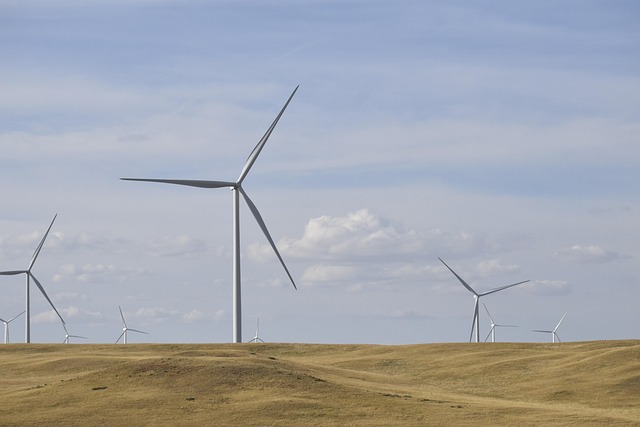
Shifting Definitions in Sustainable Design
The term “green architecture” once focused narrowly on energy efficiency but now includes full lifecycle impact and human wellness. Architects increasingly embed ecological reasoning from the earliest design sketches—shaping building orientation, massing, and façade treatment for passive performance. Certification systems such as LEED and BREEAM continue to expand criteria beyond carbon metrics toward biodiversity and circular material flows. This broader lens has redefined what constitutes a sustainable building in both policy and practice.
Integration of Traditional and Modern Sustainable Practices
Contemporary projects often reinterpret vernacular methods through modern tools. Earthen walls or stone facades are paired with computational modeling to predict thermal behavior under future climate scenarios. Passive strategies like cross-ventilation or daylight harvesting are validated through simulation software before construction begins. The result is architecture that feels rooted yet forward-looking—where regional materials serve both cultural continuity and environmental logic.
Material Innovation in Green Architecture
Material innovation sits at the heart of this evolution. Advances in composites, recycled aggregates, and digital fabrication allow designers to achieve lower embodied carbon without compromising aesthetics or durability.
Material Innovation in Green Architecture
Material choice defines not only the environmental footprint but also the sensory character of buildings. The renewed interest in natural materials such as wood, clay, and stone demonstrates how tactile authenticity aligns with sustainability objectives.
The Role of Natural Materials in Sustainable Construction
Locally sourced resources reduce transport emissions while strengthening local economies. A stone facade on house projects exemplifies this dual benefit: it offers thermal inertia that moderates indoor temperatures and requires minimal maintenance over decades. Recycled aggregates from demolition waste now replace virgin gravel in structural concrete mixes, while bio-based panels derived from agricultural byproducts substitute for petrochemical insulation boards.
Technological Advancements in Eco-Materials
Engineered stone composites combine natural mineral content with low-carbon binders to achieve strength without excessive cement use. Smart coatings infused with photocatalytic compounds help façades self-clean under sunlight, cutting maintenance cycles dramatically. Meanwhile, digital fabrication technologies such as robotic milling or 3D printing allow precise control over geometry and material quantity—turning sustainability into an exercise in accuracy rather than compromise.
Energy Efficiency and Building Performance
Energy performance remains a measurable foundation for sustainable design even as definitions expand. The interplay between passive form-making and active system integration determines long-term operational efficiency.
Passive Design as a Foundation for Sustainability
Before any mechanical equipment is specified, orientation and envelope configuration dictate baseline energy demand. Deep overhangs or operable louvers manage solar gain seasonally. High-mass materials like stone walls absorb heat during the day and release it at night, stabilizing interior comfort naturally. Cross-ventilation paths designed through section studies can replace air-conditioning for much of the year in temperate climates.
Active Systems Supporting Environmental Goals
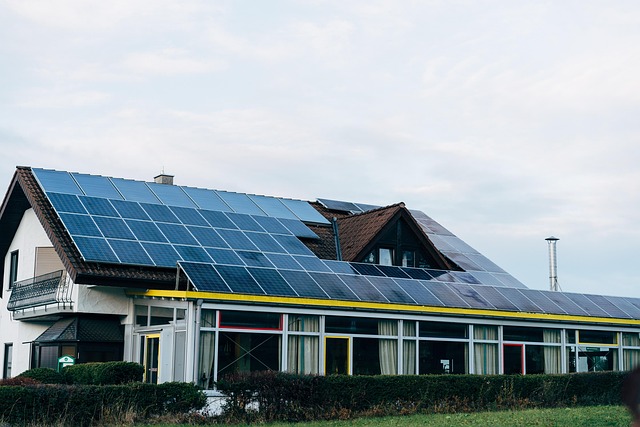
Active technologies complement passive measures rather than replace them. Photovoltaic arrays convert rooftops into power plants; geothermal loops moderate heating loads efficiently; advanced sensors feed data into smart management platforms that fine-tune lighting or HVAC output minute by minute. Emerging battery storage solutions further decouple buildings from centralized grids by balancing generation peaks with usage troughs.
Urban Contexts and Adaptive Reuse in Sustainable Architecture
Cities face the dual challenge of growth and decarbonization. Instead of demolishing outdated stock, architects now retrofit existing structures to meet new performance standards while preserving embodied carbon already invested in them.
Green Retrofits for Existing Structures
Adaptive reuse transforms obsolete warehouses into vibrant offices or housing with minimal structural intervention. Adding green roofs improves insulation while mitigating urban heat islands; upgraded HVAC systems cut energy use dramatically compared to legacy equipment. Where heritage façades exist, careful restoration using sustainable mortars or thin stone re-cladding maintains historical character while meeting modern thermal codes.
Compact Urban Design and Resource Efficiency
Compact urban forms reduce commuting distances and infrastructure strain. Mixed-use developments encourage walking by clustering residential, commercial, and civic functions within short radii. Integrating courtyards or pocket parks enhances biodiversity even on constrained sites. Modular construction methods further support adaptability—components can be disassembled or replaced without major demolition waste when urban needs evolve.
The Aesthetic Dimension of Sustainability
Sustainability today extends beyond metrics into visual language and cultural meaning. Architects must reconcile ecological restraint with expressive form-making that resonates emotionally with occupants.
Balancing Form, Function, and Ecology
Modern sustainable architecture seeks harmony between built geometry and surrounding ecosystems rather than dominance over them. Stone facades lend tactile depth that connects users physically to nature’s permanence while their mass contributes functional benefits like temperature regulation. Minimalist detailing often correlates with resource efficiency since fewer materials mean less embodied carbon—a rare case where beauty coincides naturally with frugality.
Cultural Identity Through Sustainable Design Choices
Material selection frequently communicates regional identity while adhering to global sustainability benchmarks such as ISO 14040 life-cycle standards or IEA low-carbon guidelines. Architects reinterpret local craftsmanship—stone carving in Mediterranean regions or timber joinery in Nordic countries—through CNC machining or prefabrication for improved precision and reduced waste. This fusion of context awareness with environmental intelligence defines contemporary green architecture’s most compelling expressions.
FAQ
Q1: What distinguishes green architecture from conventional design?
A: Green architecture integrates environmental responsibility across all project phases—from site planning to materials—to minimize ecological impact while enhancing occupant well-being.
Q2: Why are stone facades considered sustainable?
A: Stone facades have long lifespans, require little maintenance, provide excellent thermal mass properties, and can often be locally sourced to cut transport emissions.
Q3: How do passive design strategies reduce energy use?
A: By optimizing orientation, shading, ventilation paths, and material thermal capacity so buildings maintain comfort levels naturally before relying on mechanical systems.
Q4: What role does adaptive reuse play in sustainability?
A: Adaptive reuse conserves embodied carbon by retaining existing structures while upgrading them for current efficiency standards instead of demolishing them outright.
Q5: How does technology influence eco-material development?
A: Innovations like engineered composites, smart coatings, and digital fabrication enhance performance precision while reducing waste throughout construction processes.