
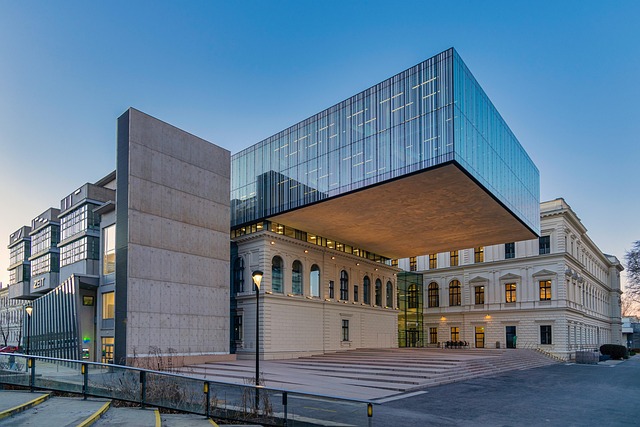
What Makes Terracotta Facade the Ideal Choice for Modern Campus Design
Terracotta Facade Design for a Modern Campus Landmark
Terracotta facade systems have become a defining element in contemporary campus architecture. Their combination of aesthetic warmth, technical resilience, and environmental responsibility makes them an ideal choice for educational institutions seeking both identity and performance. The material’s natural composition allows buildings to blend with landscapes while meeting rigorous sustainability standards. In modern campuses where design coherence and longevity matter, terracotta stands out as a material that bridges tradition with innovation, offering durability, energy efficiency, and expressive potential unmatched by many alternatives.
The Architectural Significance of Terracotta Facades in Contemporary Campus Design
Terracotta has re-emerged as a preferred material for educational buildings because it connects tactile experience with performance-driven design. Architects use it not only for its color range but also for its ability to express craftsmanship within technologically advanced systems.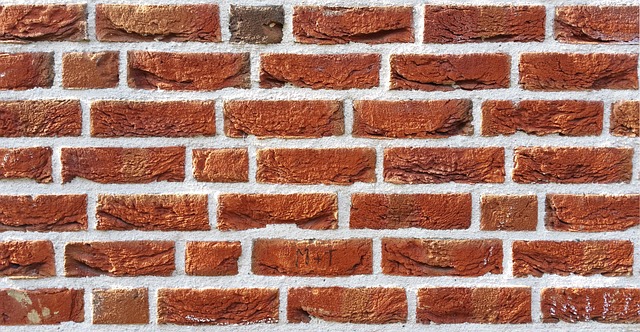
The Role of Materiality in Educational Architecture
Material choice defines the tone and lifespan of academic environments. In universities, where architecture communicates institutional values, terracotta conveys permanence without heaviness. Its porous structure moderates temperature fluctuations naturally, contributing to comfort inside classrooms and studios. The earthy tones help campuses maintain visual continuity across new and old structures, while the surface texture softens large-scale facades that might otherwise feel cold or industrial.
Terracotta as Balance Between Tradition and Modernity
As universities expand globally, the challenge lies in balancing regional identity with global design language. Terracotta achieves this through its dual nature: ancient yet adaptable. It can appear handcrafted or precisely machined depending on the project’s intent. Many campuses now specify glazed terracotta panels that echo local clay traditions but meet modern fire and moisture standards.
Tactile Quality Enhancing Spatial Experience
The tactile dimension of terracotta—its grain, depth, and warmth—creates a sensory connection between users and space. Students often describe these surfaces as approachable compared to metal or glass facades. Light interacts differently across ribbed or perforated panels throughout the day, adding rhythm to courtyards and walkways.
Evolution of Terracotta as a Building Envelope Material
The story of terracotta is one of reinvention. From ancient temples to 19th-century civic buildings, it has evolved into a high-performance cladding system suitable for complex geometries.
Historical Use and Modern Adaptation
Historically used in ornamentation and roof tiles, terracotta later became integral to structural facades during the industrial revolution. Today’s use focuses on ventilated rainscreen systems that combine ceramic artistry with engineering precision. This shift reflects architecture’s broader move toward sustainable envelopes that perform technically while referencing cultural memory.
Advances in Production Techniques
Modern kilns and extrusion technologies have improved dimensional control and reduced waste during firing. Manufacturers can produce long linear panels with consistent color stability across batches—a critical factor for large campus projects requiring visual uniformity over multiple phases.
Integration with Digital Fabrication Systems
Digital modeling tools now allow architects to design custom profiles that respond to sun angles or airflow requirements. Parametric software links directly with CNC molds used in terracotta production, enabling efficient mass customization without excessive cost escalation.
Performance Advantages of Terracotta Facades for Academic Buildings
For institutions managing extensive facilities portfolios, performance metrics like thermal regulation and maintenance costs are crucial factors influencing material selection.
Thermal Efficiency and Energy Regulation
Terracotta’s natural density provides thermal inertia that stabilizes indoor conditions by absorbing heat during the day and releasing it at night. When combined with ventilated cavity systems, it reduces mechanical cooling loads significantly—an advantage particularly relevant in lecture halls or libraries where occupancy fluctuates throughout the day.
Durability and Low Maintenance Attributes
Unlike painted finishes or composite panels that degrade under UV exposure, fired clay maintains its integrity over decades. Its resistance to acid rain and airborne pollutants minimizes cleaning cycles—an important cost consideration for universities managing multiple buildings across large campuses.
Colorfastness Preserving Aesthetic Integrity
Because pigmentation occurs within the clay body rather than on its surface, color fading is minimal even after prolonged sunlight exposure. This characteristic allows campuses to maintain consistent visual branding without repainting or recladding every decade.
Aesthetic and Functional Integration in Campus Architecture
Beyond technical performance, terracotta contributes meaningfully to architectural expression by harmonizing built form with landscape context.
Harmonizing with Surrounding Contexts
Terracotta’s chromatic range—from pale ochre to deep sienna—complements both green landscapes and stone masonry found on older academic buildings. This makes it suitable for extensions adjacent to heritage structures such as those featuring a stone facade on house-like dormitories or administrative blocks common in historic campuses.
Customizable Finishes Supporting Identity
Institutions often use custom glazes or textures reflecting school colors or local geology. Such finishes help unify dispersed facilities under one recognizable visual language while allowing subtle distinctions among departments or faculties.
Texture Variations Creating Depth
Ribbed profiles cast shadows that change through daylight cycles, giving facades kinetic quality without moving parts. This interplay between light and form enriches pedestrian experience across courtyards and colonnades where students gather daily.
Sustainability Considerations in Terracotta Facade Systems
Universities increasingly align capital projects with carbon reduction goals; thus facade materials must demonstrate measurable environmental benefits over their lifecycle.
Environmental Impact and Life Cycle Benefits
Terracotta is made from abundant natural clay requiring relatively low energy during processing compared to metals or synthetic composites. Its recyclability further supports circular construction strategies since broken tiles can be ground back into aggregate rather than sent to landfill.
Contribution to Green Building Certifications
Projects using terracotta often score well under LEED or BREEAM frameworks due to low embodied energy values and contribution toward thermal comfort credits. Ventilated systems enhance air circulation behind panels, reducing condensation risks while improving occupant comfort metrics recognized by certification bodies like ISO 16813:2006 on indoor environment design principles.
Implementation Strategies for Modern Campus Projects
Effective integration of terracotta facades depends on early coordination among designers, engineers, and suppliers—a process increasingly supported by BIM workflows.
Design Coordination and Technical Detailing
Precise anchoring systems are essential since panel tolerances differ slightly from metal cladding units. Engineers typically specify aluminum subframes accommodating movement joints that prevent cracking under thermal stress while maintaining watertightness during heavy rainfall events common in temperate climates.
Cost Efficiency Through Modular Planning
Prefabricated modules simplify logistics on multi-building campuses where repetition offers economies of scale. Installation crews can mount large sections quickly using pre-engineered clips—reducing scaffolding time by up to 30 percent compared with traditional masonry assembly methods.
Lifecycle Cost Analysis Demonstrating Value
Though initial procurement may exceed basic aluminum siding costs by 10–15 percent, reduced maintenance expenditures offset this within a decade according to facility management data from several North American universities adopting ceramic rainscreens since 2010.
Comparing Terracotta Facades with Alternative Materials such as Stone or Metal Cladding
Selecting between terracotta, stone, or metal involves balancing weight constraints, aesthetic goals, and climatic demands specific to each campus site.
Distinguishing Characteristics Relative to Stone Facades on Institutional Buildings
Compared with a traditional stone facade on house-type academic residences or libraries, terracotta offers similar gravitas at half the weight per square meter. This lighter load reduces structural reinforcement needs while maintaining comparable weather resistance levels—a practical advantage when retrofitting existing frames originally designed for lighter claddings like stucco or brick veneer.
Evaluating Metal Cladding Alternatives in Academic Settings
Metal panels provide crisp lines suited for research labs but can appear sterile beside landscaped quads or historic halls. Moreover, differential thermal expansion between metal skins often leads to joint fatigue over time—a problem less pronounced in ceramic assemblies due to their dimensional stability under temperature swings exceeding 40°C annually in some regions.
Combining Materials for Balanced Expression
Some architects pair anodized aluminum trims around windows with terracotta spandrel panels below sill height to achieve contrast without compromising performance continuity. This hybrid approach merges modern detailing precision with the warmth expected from civic-scale educational environments.
FAQ
Q1: Why do architects prefer terracotta over other facade materials?
A: Because it combines long-term durability with aesthetic versatility while supporting sustainable construction objectives aligned with institutional policies.
Q2: How does terracotta perform in humid climates?
A: Its fired surface resists moisture absorption; when installed as part of ventilated systems it prevents condensation buildup effectively even in tropical zones.
Q3: Can terracotta panels be repaired individually if damaged?
A: Yes, modular mounting allows single-panel replacement without dismantling adjacent units which simplifies maintenance operations on occupied campuses.
Q4: Is terracotta suitable for retrofitting older university buildings?
A: Its lightweight modularity makes it ideal for recladding heritage structures where additional load capacity is limited yet aesthetic harmony is required alongside existing masonry elements like limestone or granite bands.
Q5: What are typical lifespan expectations for a terracotta facade?
A: Properly detailed systems can exceed fifty years of service life with minimal intervention beyond periodic inspection every five years recommended by industry standards such as ASTM C67 testing protocols for ceramic durability.