
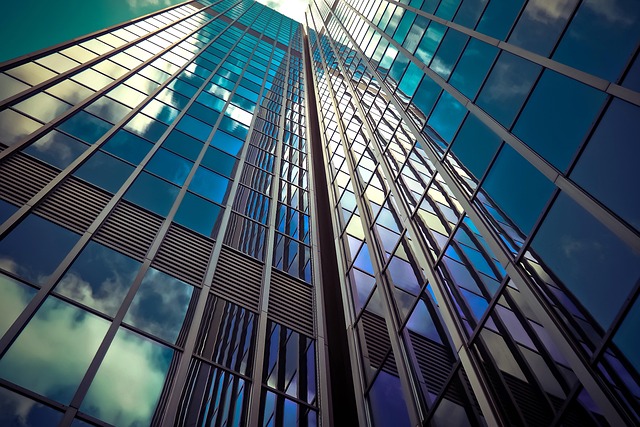
What Makes Glass Facade Design a Game Changer in Modern Architecture
Glass Facade: The Latest Architecture and News
Glass facades have transformed how cities look and how buildings perform. Once limited by structural constraints, glass has evolved into a dynamic architectural medium that defines transparency, sustainability, and identity. Modern glass technologies now merge aesthetics with performance—balancing energy efficiency, daylighting, and adaptive climate control. The shift from stone to glass represents more than material change; it reflects architecture’s ongoing pursuit of openness and innovation.
The Evolution of Glass Facade Design in Contemporary Architecture
The story of glass facade design traces the relationship between material progress and architectural ideals. From ancient stone monuments to modern skyscrapers, each era reveals how materials shape human aspirations for permanence or lightness.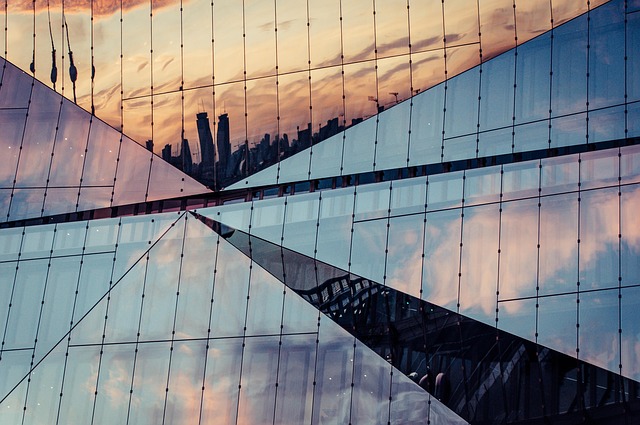
Historical Context of Facade Materials
Early architecture relied on stone, brick, and wood for both structure and ornamentation. These materials symbolized durability but limited interior light. The Industrial Revolution introduced steel and reinforced concrete, enabling larger openings and new facade systems. As glass production improved through float processes and lamination, architects embraced transparency as a metaphor for progress. By the mid‑20th century, curtain walls defined corporate modernism with their sleek reflective skins.
Transition from Stone to Glass Facades
Stone facades conveyed weight and tradition; glass introduced openness and fluidity. Advances in manufacturing allowed for larger panels with higher tensile strength, reducing the need for heavy framing. Buildings began combining both materials—a polished glass tower rising from a stone base—to maintain contextual harmony. In residential design, a stone facade on house still grounds the structure visually while glazed extensions express contemporary living.
Technological Innovations Driving Glass Facade Design
Innovation in glazing systems and structural engineering has redefined what is possible with transparent envelopes. Today’s facades are high‑performance assemblies that respond intelligently to environmental demands.
High‑Performance Glazing Systems
Low‑emissivity coatings reflect infrared radiation while allowing visible light to pass, improving thermal performance without darkening interiors. Double or triple glazing traps insulating air layers that reduce heat loss yet preserve clarity. Smart glass adds adaptability: electrochromic layers adjust tint in response to sunlight or occupancy sensors, giving users control over comfort and privacy without mechanical blinds.
Structural Engineering Advances
Curtain wall systems distribute loads through mullions rather than the glass itself, allowing uninterrupted expanses of transparency. Laminated glass—two sheets bonded by interlayers—enhances safety by holding fragments if broken. Tempered variants resist impact four times better than annealed glass. Aluminum or steel frames provide rigidity yet maintain slender sightlines so visual continuity remains intact across elevations.
The Aesthetic and Functional Dimensions of Glass Facades
Beyond performance metrics, glass shapes perception—how people experience light, space, and connection with surroundings.
Visual Transparency and Architectural Identity
Transparent facades dissolve boundaries between inside and outside spaces. Reflections animate buildings throughout the day as clouds move or city lights flicker at night. Architects use selective opacity—fritted patterns or gradient tints—to craft distinctive identities while managing solar exposure.
Daylighting and Spatial Experience
Daylight enhances spatial quality more effectively than any artificial source. Proper orientation and glazing ratios reduce energy use for lighting while improving occupant well‑being. Controlled glare through shading fins or micro‑laminated coatings keeps workplaces comfortable even under direct sun.
Sustainability Considerations in Glass Facade Systems
Environmental responsibility drives current facade research as architects seek materials that perform efficiently across their lifecycle.
Energy Efficiency and Environmental Performance
Advanced coatings limit heat transfer through conduction or radiation, cutting HVAC demand significantly in large towers. Integration with photovoltaic cells turns facades into active energy generators—a step toward net‑zero buildings recognized by ISO 52000 standards on building energy performance assessment. Lifecycle analysis shows that modern glazing can outperform traditional cladding when recycling potential is factored in.
Adaptive Facade Technologies for Climate Responsiveness
Dynamic shading systems automatically respond to solar intensity using embedded sensors linked to building management software compliant with IEC smart control protocols. Ventilated double‑skin facades create air cavities that stabilize temperature differences between seasons. These adaptive skins align with IEA research highlighting facade automation as key to urban energy reduction goals by 2030.
Integrating Stone Facade Elements with Glass Architecture
The dialogue between old and new materials continues as designers explore hybrid compositions balancing texture with transparency.
Harmonizing Traditional Materials with Modern Design Principles
Natural stone introduces tactile warmth where full glazing might feel sterile. Combining granite or limestone panels with clear curtain walls maintains local character—especially valuable in heritage districts where continuity matters. This fusion captures both permanence from stone and innovation from glass, appealing to clients seeking timeless yet progressive expression.
Structural Coordination Between Stone and Glass Systems
Joint detailing becomes critical when rigid stone meets flexible glazing assemblies. Anchors must accommodate differential movement caused by temperature shifts without cracking either material. Designers also address thermal bridging by inserting insulating gaskets or composite connectors at junctions to maintain envelope integrity while preserving aesthetic rhythm across modules.
The Future Outlook of Glass Facade Design in Architecture
As digital fabrication expands material possibilities, the next generation of facades will combine intelligence with artistry.
Emerging Trends in Material Science and Fabrication Techniques
Nanotechnology enables self‑cleaning coatings that break down organic dirt under UV light while minimizing reflection losses—a feature already standardized under ASTM C1376 for coated architectural glass. 3D printing allows bespoke panel geometries impossible through conventional casting methods, opening new formal freedom for architects experimenting with curvature or gradient opacity effects.
Redefining Urban Skylines Through Transparent Architecture
Future skylines will feature buildings that breathe—facades adjusting automatically to wind pressure or humidity levels recorded by integrated sensors following IEEE IoT frameworks. Transparent envelopes will dominate mixed‑use developments where visual openness fosters social interaction even within dense urban fabrics. As cities densify vertically, these intelligent skins will become symbols of sustainable progress rather than mere stylistic choices.
FAQ
Q1: What advantages do glass facades offer over traditional stone construction?
A: They provide higher daylight penetration, lighter structural loads, and better adaptability for energy management compared to solid masonry walls like those used in a traditional stone facade on house design.
Q2: How do modern glazing technologies improve building sustainability?
A: Low‑E coatings, insulated units, and photovoltaic integration reduce operational energy consumption while supporting renewable generation goals set by international standards such as ISO 14067 carbon footprint metrics.
Q3: Are hybrid stone‑glass facades structurally reliable?
A: Yes; when engineered correctly using flexible anchors and thermally broken connections per EN 13830 curtain wall specifications, hybrid systems maintain stability under wind loads without compromising aesthetics.
Q4: Can smart glass completely replace external shading devices?
A: Not entirely; while electrochromic layers control glare effectively, external louvers still help manage peak solar gain during extreme conditions according to IEA façade research findings.
Q5: What future developments are expected in facade engineering?
A: Advances include nanostructured coatings for self‑healing surfaces, AI‑driven monitoring platforms analyzing real‑time thermal data, and recyclable composites promoting circular construction economies across global markets.