
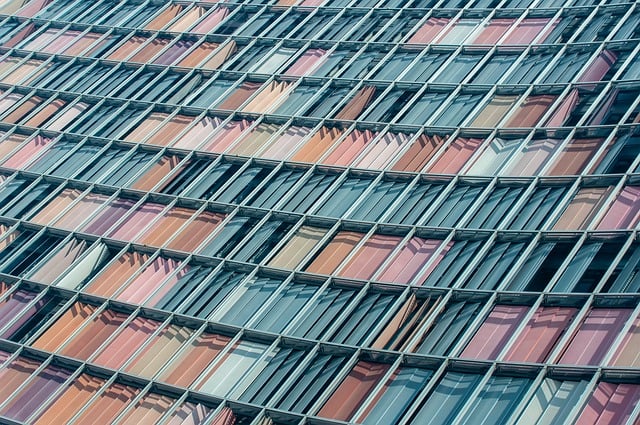
Is Mesh Facade Transforming the Car Park Exhibition Centre Bologna Design
Mesh Facade at Car Park Exhibition Centre Bologna
The Car Park Exhibition Centre in Bologna demonstrates how mesh facade design can merge utility and artistry. This architectural approach transforms a functional parking structure into an expressive urban landmark. Through its woven metal surface, the building achieves natural ventilation, solar control, and a distinctive visual identity that aligns with Bologna’s contemporary exhibition architecture. The project exemplifies how modern façade engineering integrates sustainability, digital fabrication, and urban aesthetics within a single architectural language.
Architectural Innovation at the Car Park Exhibition Centre Bologna
The architectural innovation of the Bologna car park lies in its ability to reinterpret industrial materials for civic expression. The mesh facade is not merely a covering but a performative skin that interacts with light, air, and movement.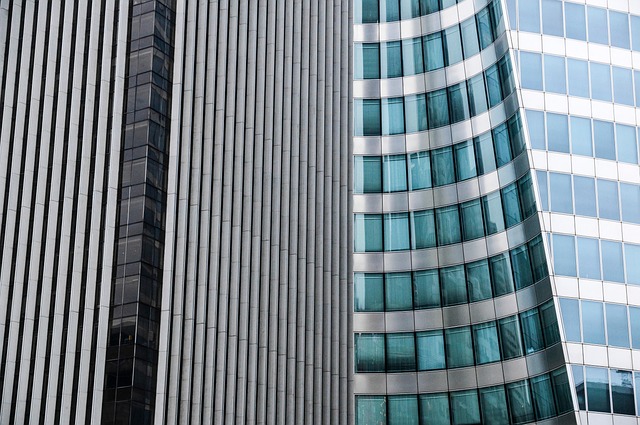
Exploring the Concept of Mesh Facade Design
A mesh facade serves as both cladding and architectural statement. It blurs the boundary between enclosure and openness by allowing air and light to pass through while maintaining structural coherence. In large-scale settings such as exhibition centres, this transparency reduces visual mass and creates a sense of permeability between interior and exterior spaces. Over time, façade systems have evolved from static barriers to responsive layers that adapt to environmental and aesthetic demands. This evolution reflects a broader shift toward façades functioning as climate mediators rather than decorative shells.
The Role of Mesh Facades in Contemporary Architectural Identity
In contemporary architecture, perforated metal and woven mesh redefine how public infrastructure communicates identity. These materials balance industrial toughness with refined elegance, giving utilitarian buildings an unexpected sophistication. Within the Bologna exhibition context, the mesh facade becomes part of the venue’s branding—an architectural gesture that signals innovation while maintaining coherence with surrounding pavilions. Visitors experience this interplay of texture, shadow, and reflection as part of the spatial narrative rather than as mere decoration.
Functional Performance of Mesh Facades in Parking Structures
Beyond aesthetics, mesh facades deliver measurable environmental performance. Their permeability supports passive cooling and daylight modulation—key aspects for large car parks exposed to variable climatic conditions.
Environmental and Climatic Adaptation
Mesh facades enable natural ventilation by allowing continuous air exchange without mechanical systems. This passive cooling reduces energy consumption associated with forced ventilation. At the same time, the perforated surface mitigates solar gain while preserving daylight penetration, improving comfort for users and reducing heat buildup on vehicles. Studies from European façade research programs show that such passive systems can cut operational energy use by up to 30% compared with sealed structures. Over time, these strategies contribute to sustainability metrics aligned with ISO 14001 environmental management standards.
Structural and Material Considerations
Material selection determines both performance and longevity. Stainless steel meshes offer high tensile strength and corrosion resistance; aluminum provides lightweight flexibility; coated composites allow customized finishes suited for coastal or polluted environments. Integration with concrete or steel frameworks requires precise load distribution analysis so that panels act as secondary structural elements without compromising safety. Proper detailing ensures durability against corrosion, particulate pollution, and mechanical wear typical in urban zones like Bologna’s exhibition district.
Aesthetic Integration with the Bologna Exhibition Centre Context
The success of this car park depends on its visual dialogue with Bologna’s architectural heritage—a city known for porticoes, brick tones, and rhythmic facades.
Harmonizing Industrial Design with Cultural Heritage
The design team sought harmony between modern industrial materials and historical surroundings. The metallic mesh reflects ambient colors during daylight while softening under evening illumination. Its modular rhythm echoes traditional arcades yet remains distinctly contemporary. This balance allows the structure to coexist within Bologna’s layered urban fabric without visual conflict.
The Role of Lighting Design in Enhancing Mesh Façade Expression
Lighting plays a decisive role in transforming perception from day to night. Integrated LED systems embedded within mesh layers create programmable illumination effects visible across event plazas. During exhibitions or fairs, dynamic lighting sequences animate the facade, turning it into a communicative surface that responds to event themes or seasonal moods. Such adaptive lighting strengthens wayfinding at night while reinforcing the centre’s identity as an active cultural hub.
Technological Advancements Driving Mesh Facade Applications
Advances in digital tools have expanded what architects can achieve with mesh facades—from pattern optimization to real-time environmental response.
Digital Fabrication and Parametric Design Tools
Computational modeling enables precise control over mesh density, geometry, and pattern variation according to airflow or transparency requirements. Parametric software allows designers to test multiple configurations before fabrication, ensuring performance alignment with design intent. Integration into Building Information Modeling (BIM) workflows enhances accuracy during production and installation phases by linking digital prototypes directly to CNC manufacturing data.
Smart Materials and Responsive Systems in Façade Engineering
Emerging research explores adaptive meshes capable of responding dynamically to sunlight or temperature changes through shape-memory alloys or kinetic shading devices. Some prototypes integrate photovoltaic coatings within metallic strands to generate renewable energy while shading interiors—a step toward self-sufficient envelopes envisioned by IEA building performance guidelines. Embedded sensors also allow predictive maintenance by monitoring stress or corrosion levels across panels in real time.
Urban Impact and Future Perspectives on Mesh Architecture
Mesh facades are reshaping how cities perceive infrastructure—not just as service spaces but as contributors to public life quality.
Redefining Public Infrastructure Through Design Innovation
By elevating an ordinary parking facility into an architectural icon, Bologna demonstrates how façade design can humanize infrastructure. The interplay of lightness, transparency, and reflection enriches pedestrian experience around exhibition grounds while improving microclimatic comfort through shading and airflow modulation. Such projects reinforce Bologna’s position as a leader in sustainable architectural experimentation within Europe’s cultural network.
Future Directions for Mesh Façade Research and Practice
Future development will likely emphasize circular materials—recyclable metals or bio-based composites—to minimize lifecycle impacts under ISO 21930 building sustainability standards. Integration with green mobility features such as electric vehicle charging bays or vertical gardens may further expand functional scope beyond enclosure alone. Ultimately, façades will evolve toward multi-functional envelopes combining climate control, energy generation, data collection, and aesthetic communication within one coherent system.
FAQ
Q1: What makes a mesh facade suitable for parking structures?
A: Its open texture allows natural ventilation and daylight entry while shielding vehicles from direct sun exposure—reducing mechanical ventilation needs significantly.
Q2: Which materials are most durable for outdoor mesh applications?
A: Stainless steel remains preferred due to corrosion resistance; however aluminum alloys offer lighter alternatives where structural loads are limited.
Q3: How does lighting influence perception of mesh facades?
A: Integrated LED systems can highlight textures at night or display dynamic patterns during events, turning functional cladding into an expressive medium.
Q4: Can mesh facades contribute to energy efficiency targets?
A: Yes, their passive cooling effect lowers HVAC demand while potential integration with photovoltaic coatings adds renewable energy benefits.
Q5: Are adaptive or smart meshes commercially available today?
A: Some prototypes exist using kinetic mechanisms or responsive coatings; widespread adoption is expected as costs fall and maintenance data systems mature.