

Is Architecture Green Roof Integration With Solar Panels Transforming Urban Design
Architecture Green Roof With Solar Panels
The fusion of green roofs and solar panels has reshaped the language of contemporary architecture. This hybrid roof model delivers both ecological and energy gains, transforming buildings into active environmental systems rather than passive structures. Vegetation cools the rooftop microclimate, while photovoltaic modules harvest sunlight more efficiently under moderated temperatures. For architects and engineers, this synergy is not only aesthetic but also structural and economic, driving new standards in sustainable design.
The Intersection of Green Roofs and Solar Panels in Contemporary Architecture
The convergence of vegetation and photovoltaics defines a new typology of sustainable roofscapes. It merges two mature technologies—green roofing systems and solar arrays—into one integrated architectural surface that supports biodiversity while generating renewable energy.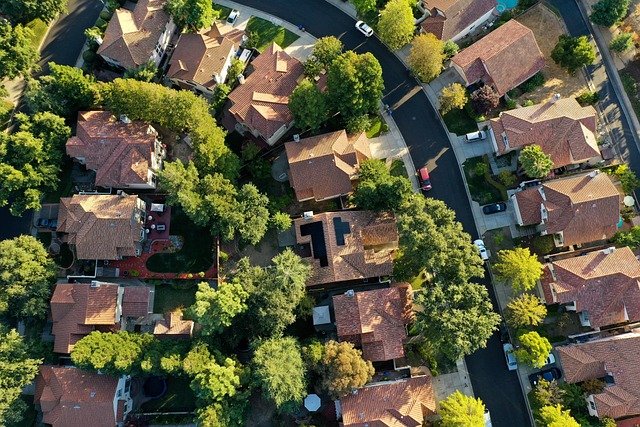
Exploring the Synergy Between Vegetation and Photovoltaics
Integrating vegetation with photovoltaic modules enhances both performance and ecological value. Plants lower ambient rooftop temperatures, which reduces panel heat stress and improves electrical output. Studies by the International Renewable Energy Agency (IRENA) indicate that PV efficiency can rise by 5–10% when installed above green substrates compared to conventional flat roofs. The vegetation layer also filters dust that might otherwise settle on panels, maintaining higher light transmittance over time.
Microclimatic Benefits From Vegetation Improve Photovoltaic Performance by Reducing Heat
Vegetated roofs create a microclimate that stabilizes temperature fluctuations. During summer, evapotranspiration cools the air around panels; in winter, soil layers add insulation that prevents rapid heat loss. The result is a more consistent operational temperature for PV cells, which directly influences conversion efficiency. In dense cities like Singapore or Berlin, such systems have shown measurable reductions in surface heat island intensity.
Architectural Design Strategies Balance Structural Load, Orientation, and Aesthetic Coherence
Architectural integration requires balancing technical precision with visual harmony. Designers align panel arrays to optimize sunlight exposure while maintaining coherent roof geometry. Structural engineers calculate load distribution between vegetation layers, drainage components, and PV mounting frames to prevent deformation or leakage. The outcome is an engineered landscape—part garden, part power plant—that complements the building’s form without visual clutter.
Evolution of Sustainable Roof Design in Urban Contexts
Urban rooftops have evolved from neglected surfaces into multifunctional environmental assets. This shift reflects policy incentives and public demand for resilient cities capable of mitigating climate stress through architecture green roof solutions.
Early Green Roof Systems Focused on Insulation and Stormwater Management
Initial green roof installations emphasized thermal insulation and water retention rather than energy generation. Systems built in northern Europe during the 1970s used thick soil profiles to buffer indoor temperature swings and manage stormwater runoff. These early designs laid the groundwork for later innovations by proving that vegetated roofs could extend membrane life while reducing urban drainage loads.
The Addition of Solar Technologies Marked a Shift Toward Multifunctional Roofscapes
When solar modules entered rooftop design in the late 1990s, architects began combining ecological layers with energy infrastructure. This transition from single-purpose to multifunctional roofs represented a paradigm shift: rooftops became productive landscapes contributing to both sustainability metrics and building economics.
Urban Sustainability Policies Now Encourage Hybrid Solutions for Energy and Ecology
Many municipalities now embed hybrid roof strategies within planning codes. Cities such as Copenhagen mandate partial greening for large developments, while Tokyo offers tax incentives for combined PV–green roof systems. Certification frameworks like LEED v4 reward projects that integrate vegetation with renewable energy generation under “Sustainable Sites” credits.
Engineering Considerations in Green Roof–Solar Panel Integration
The success of any hybrid system depends on precise engineering coordination across disciplines—from structural analysis to hydrological modeling—to maintain safety and performance over decades.
Structural Load and Material Compatibility
A dual system adds complexity to load management. Engineers must distribute weight evenly across beams without exceeding allowable deflection limits. Lightweight growing media such as expanded shale or perlite reduce dead load compared with traditional soil mixes. Modular tray systems simplify installation and allow maintenance access beneath panels without disturbing root zones or wiring conduits.
Use of Lightweight Substrates, Modular Trays, and Adaptive Mounting Systems Mitigates Load Risks
Adaptive mounting frames elevate PV modules above vegetation at adjustable heights to avoid shading while permitting airflow below panels for cooling. These frames are often ballasted rather than mechanically anchored to preserve waterproof membranes—a crucial factor for long-term durability under ISO 6946 structural standards.
Structural Engineers Must Account for Wind Uplift, Drainage, and Long-Term Maintenance Access
Wind uplift tests following IEC 61215 guidelines determine safe anchoring forces under extreme weather conditions. Drainage mats beneath planting layers prevent waterlogging that could compromise both roots and electrical components. Maintenance corridors are integrated into layout plans so technicians can service panels or irrigation lines safely without compacting substrate.
Energy Optimization Through Design Configuration
Design configuration governs how effectively a hybrid roof converts sunlight into usable energy while sustaining plant growth beneath it.
Panel Tilt Angles Are Adjusted to Minimize Shading From Vegetation While Maximizing Sunlight Exposure
Optimal tilt angles vary by latitude but typically range between 10°–35°. By elevating panels slightly higher than standard mounts, designers reduce shading from taller plants during peak growth seasons while maintaining sufficient clearance for airflow circulation.
Reflectivity From Plant Surfaces Can Enhance Panel Efficiency Under Certain Conditions
Some low-growing species with light-colored foliage reflect diffuse light back toward panel undersides, providing minor gains in total irradiance capture—an effect documented in several field trials by the International Energy Agency’s Photovoltaic Power Systems Programme (IEA-PVPS).
Simulation Tools Assist Architects in Predicting Energy Yield Based on Roof Geometry and Plant Type
Advanced software like EnergyPlus or PVsyst allows architects to simulate annual energy yield considering albedo variation from different plant species, seasonal shading patterns, and local meteorological data sets before construction begins.
Environmental Benefits Driving Urban Adoption
Beyond technical performance, hybrid roofs deliver measurable ecosystem services that address urban environmental challenges from heat mitigation to biodiversity decline.
Enhancing Thermal Regulation and Air Quality
Vegetated surfaces moderate rooftop temperatures by up to 30°C compared with bare membranes during summer peaks. Reduced cooling loads translate directly into lower electricity consumption for HVAC systems. Moreover, plants trap fine particulates (PM2.5) improving air quality indices measured across dense districts like Hong Kong’s Kowloon Bay redevelopment zone.
Water Management and Biodiversity Contributions
Hybrid roofs retain significant rainfall volume—up to 70% during moderate storms—delaying runoff entry into municipal sewers as noted in studies aligned with ISO 14046 water footprint standards. Native sedum or prairie grasses attract pollinators such as bees and butterflies while providing nesting habitats for small birds even at high elevations above street level.
Economic and Policy Dimensions of Hybrid Roof Systems
Adoption hinges not only on environmental merit but also on financial logic supported by evolving policy frameworks encouraging architecture green roof applications tied with renewable technology incentives.
Cost Efficiency and Return on Investment Analysis
Although installation costs can exceed $250 per square meter depending on system depth and PV capacity, lifecycle assessments show payback periods between eight to twelve years due to reduced energy bills and extended waterproofing lifespan—often doubling conventional roof service life expectancy.
Incentive Programs for Renewable Energy Installations Enhance Financial Viability
Government subsidies under programs modeled after the European Union’s Renewable Energy Directive provide feed-in tariffs or tax deductions covering up to 30% of capital expenditure for integrated solar installations meeting local grid standards (EN 50583).
Maintenance Planning Is Essential to Preserve Both Photovoltaic Output and Vegetation Health
Annual inspections include cleaning panels from organic debris accumulation while monitoring irrigation efficiency through automated moisture sensors connected via IoT-based control units ensuring balanced water supply without excess runoff.
Regulatory Frameworks Encouraging Integration
Urban authorities increasingly formalize hybrid roofing within sustainability mandates recognizing their dual role in climate adaptation strategies.
Urban Planning Codes Increasingly Mandate or Incentivize Green Infrastructure Adoption
Cities like Toronto require new commercial buildings above certain floor areas to dedicate portions of their roofs to greenery or renewable systems under municipal Green Standard bylaws established since 2018.
Certification Systems Such as LEED or BREEAM Recognize Combined Ecological-Energy Solutions
Both LEED v4 BD+C credits SS Credit “Heat Island Reduction” and BREEAM ENE01 categories award points when projects combine vegetative cover with solar collection technologies contributing simultaneously toward carbon reduction goals verified through third-party audits.
Collaboration Between Policymakers, Developers, and Engineers Ensures Compliance With Evolving Standards
Effective implementation relies on cross-sector collaboration where design teams interpret technical codes alongside environmental regulators ensuring every component—from drainage layer composition to inverter placement—meets updated safety protocols defined by IEC/EN standards suite.
Future Directions in Architectural Practice and Research
The trajectory of hybrid roofing continues toward smarter materials, adaptive control systems, and deeper ecological integration shaping future city skylines into living infrastructures rather than static envelopes.
Innovations in Materials and System Design
Lightweight flexible photovoltaics based on thin-film perovskite layers open opportunities for extensive green roofs previously limited by weight constraints. Embedded sensors track soil moisture levels while AI-driven controllers adjust irrigation schedules dynamically based on weather forecasts improving both yield consistency and plant vitality metrics reported under IEEE Smart Cities research initiatives.
Smart Monitoring Technologies Optimize Irrigation, Energy Yield, and Maintenance Scheduling
Real-time dashboards visualize combined performance data enabling facility managers to detect anomalies early—whether declining module voltage or blocked drains—thus reducing downtime costs associated with manual inspection cycles common in older installations.
Research Explores Bio-Solar Roofs Integrating Algae Bioreactors for Additional Resource Generation
Experimental prototypes developed at European research centers test photobioreactor panels cultivating microalgae alongside traditional PV arrays producing biomass suitable for biofuel extraction—a potential third revenue stream beyond electricity generation or stormwater retention benefits already proven viable at pilot scale demonstrations funded by IEA Bioenergy Task 39 programs.
The Role of Interdisciplinary Collaboration in Urban Transformation
Complex challenges such as climate resilience demand cooperation beyond single professions; hybrid roofing exemplifies this collaborative ethos within architectural innovation today.
Architects, Ecologists, Engineers, and Urban Planners Collaborate To Redefine Roofscapes as Multifunctional Ecosystems
Joint design workshops integrate ecological knowledge about native species selection with engineering expertise ensuring structural feasibility under dynamic loading scenarios shaped by wind turbulence modeling validated through CFD simulations compliant with ASCE 7-22 guidelines.
Data-Driven Design Supports Resilience Against Climate Change Impacts in Cities
By aggregating long-term monitoring data from operational projects worldwide into open databases managed by institutions like IRENA City Data Hub initiatives researchers refine predictive models linking vegetation density ratios with thermal comfort improvements measurable at pedestrian level microclimates below high-rise clusters.
The Fusion of Technology and Ecology Repositions Architecture as an Active Participant in Environmental Regeneration
This convergence transforms rooftops into regenerative agents within urban metabolism cycles where each square meter contributes simultaneously toward carbon sequestration targets outlined under UN SDG11 sustainable cities framework while delivering tangible human comfort benefits observable daily across metropolitan skylines.
FAQ
Q1: What is the main advantage of combining green roofs with solar panels?
A: The main advantage lies in mutual enhancement: vegetation cools ambient temperature improving photovoltaic efficiency while solar structures provide partial shade supporting diverse plant species growth conditions suitable even under intense sun exposure zones.
Q2: How do these systems affect building maintenance costs?
A: Though upfront expenses are higher maintenance savings accrue through extended membrane lifespan reduced HVAC usage plus predictable inspection routines enabled by modular tray accessibility designs lowering long-term operational budgets significantly over decades-long service periods.
Q3: Are there specific plants best suited beneath solar arrays?
A: Yes low-growing drought-tolerant species like sedum varieties perform well since they require minimal irrigation resist wind shear forces common at elevation levels typical atop commercial buildings ensuring stability around mounting hardware bases without invasive root spread risks.
Q4: Do hybrid roofs qualify for international certification credits?
A: They contribute toward multiple sustainability rating categories including LEED’s Heat Island Reduction credit BREEAM’s Energy section plus regional renewable integration targets recognized globally within ISO environmental management frameworks promoting measurable performance transparency benchmarks across markets worldwide.
Q5: What future research trends are emerging around bio-solar technologies?
A: Current investigations explore algae-integrated bioreactors lightweight perovskite films smart irrigation algorithms merging renewable production with ecological regeneration aiming toward net-positive architecture models capable not just conserving resources but actively restoring them within built environments globally recognized as frontier direction among advanced architectural laboratories today.