
Are Home Interior Design Trends in 2026 Losing Their Originality
What Trends Are Interior Designers Already Sick of Seeing In 2026?
By 2026, many interior designers have reached a breaking point with repetitive aesthetics dominating home interior design. The fatigue stems from oversaturation—minimalist spaces that feel sterile, “natural” elements used without meaning, and color palettes that blur into sameness. As digital tools standardize creativity and global trends merge into one visual language, originality has become the rarest commodity. Designers are now pushing for authenticity, craftsmanship, and emotional resonance over algorithmic perfection.
Shifting Paradigms in Home Interior Design for 2026
The conversation around home interior design has shifted dramatically in recent years. What was once about chasing trends is now about rejecting them. Designers are rethinking what makes a space truly original and emotionally engaging.
The Evolution of Design Trends Over the Past Decade
Over the last ten years, design has swung from minimalism’s clean restraint to maximalism’s expressive abundance. Social media platforms accelerated these cycles, turning niche aesthetics into viral sensations overnight. This rapid turnover created a sense of visual fatigue among both professionals and clients. Globalization also played a role—styles once rooted in local culture became hybridized, leading to homogenized interiors that look similar from New York to Tokyo.
The Influence of Social Media and Digital Platforms on Accelerating Trend Lifecycles
Instagram, Pinterest, and TikTok turned design inspiration into mass consumption. A single viral post could redefine what “modern” meant for millions within weeks. While this democratized access to design ideas, it also shortened trend lifespans dramatically. What was fresh one season felt outdated by the next as algorithms rewarded repetition over innovation.
How Consumer Expectations and Global Aesthetics Have Reshaped Design Directions
Consumers now expect their homes to reflect global sophistication while maintaining personal identity. Yet this expectation often leads to confusion—how does one balance individuality when everyone draws from the same digital mood boards? Designers face pressure to deliver uniqueness within increasingly narrow aesthetic boundaries.
The Question of Originality in Contemporary Interiors
Originality has become both the goal and the casualty of modern home interior design. As trends recycle faster than ever, designers question whether true innovation is still possible or even valued.
Exploration of What “Originality” Means in the Context of Modern Design
In today’s context, originality is less about inventing something entirely new and more about creating authentic alignment between materials, function, and emotion. It’s about coherence rather than novelty—spaces that tell genuine stories rather than mimic popular templates.
The Tension Between Timeless Design Principles and Fleeting Visual Trends
Designers constantly navigate between timeless principles such as proportion, light, and balance versus fleeting aesthetics dictated by social media virality. Many argue that chasing micro-trends undermines spatial integrity and long-term livability.
How Replication and Mass Adoption Dilute Creative Expression
When every project references the same Pinterest board or AI-generated concept, creative diversity suffers. Replication erodes meaning; what began as an innovative idea becomes cliché through overuse.
Overused Aesthetics and Materials in 2026 Interiors
The fatigue surrounding certain aesthetics is palpable across studios worldwide. Designers are calling out overused motifs that once felt fresh but now lack depth or sincerity.
The Saturation of Minimalist and Scandinavian Influences
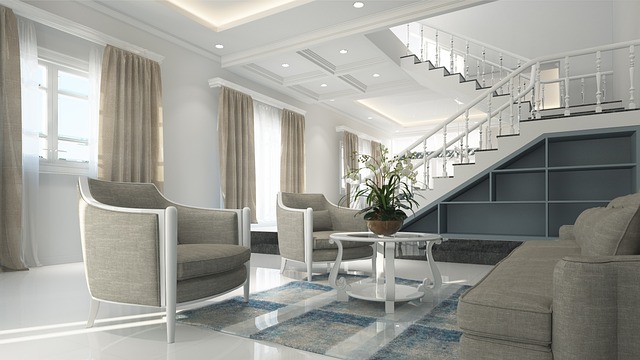
Minimalism once symbolized clarity and purpose but now often feels emotionally flat. Scandinavian-inspired interiors—with pale woods, white walls, and beige textiles—dominate too many spaces without contextual reasoning. Designers increasingly seek richer textures like velvet or limewash plaster to restore warmth and tactility to interiors.
Why Designers Feel Fatigue from Repetitive Neutral Palettes and Simple Lines
After a decade dominated by white-on-white schemes, many professionals describe these spaces as “visually anesthetized.” Neutral palettes once represented calm but now evoke monotony when applied indiscriminately across different cultural contexts.
The Shift Toward Richer Textures and Layered Compositions as a Counter-Response
To counter this fatigue, layered compositions combining vintage pieces with contemporary art have gained traction. Texture mixing—linen against metal or rough stone beside polished glass—reintroduces sensory engagement absent from minimalist norms.
Excessive Use of “Natural” Elements Without Authentic Integration
The obsession with bringing nature indoors has turned performative in many projects. Wood slats on walls or token potted plants do not equate to biophilic design when stripped of ecological meaning.
Critique of Tokenistic Use of Wood, Stone, and Greenery as Aesthetic Props
Many interiors feature reclaimed wood panels purely for looks rather than sustainability purpose. This tokenism undermines genuine environmental intent by reducing materials to decorative clichés rather than functional choices rooted in context.
Discussion on Sustainability Claims Versus Genuine Material Consciousness
Sustainability rhetoric often masks superficial gestures—a bamboo veneer here or recycled tile there—without addressing lifecycle impact or sourcing transparency. True material consciousness requires deeper accountability beyond marketing claims.
Predictable Color Palettes Dominating the Market
Color predictability remains another frustration among designers who crave emotional range in home interior design projects.
Overreliance on Muted Earth Tones and Beige-Based Schemes
Beige dominance continues despite calls for chromatic diversity. These hues offer safety but rarely personality; they create harmony at the expense of character.
The Emerging Push for Bold, Personalized Color Narratives
Designers are experimenting again with saturated tones—terracotta reds paired with cobalt blues—to inject individuality into client spaces while maintaining sophistication through balanced composition.
Technology’s Role in Homogenizing Design Concepts
Technology promised creative freedom but inadvertently produced uniformity across projects worldwide.
Algorithmic Influence on Aesthetic Choices
AI-powered tools generate mood boards optimized for engagement metrics rather than artistic exploration. This data-driven approach narrows stylistic diversity since algorithms favor what already performs well online instead of encouraging risk-taking creativity.
The Risk of Losing Human Intuition in Favor of Data-Driven Aesthetics
Design intuition thrives on imperfection—the subtle asymmetry that gives life to a space—but algorithms prioritize precision over emotion. As automation expands, human judgment must remain central to preserve nuance in spatial storytelling.
Virtual Showrooms and Their Impact on Originality
Virtual showrooms allow clients to visualize outcomes instantly but can trap creativity within photorealistic templates that leave little room for improvisation during real-world execution.
How Hyper-Realistic Renderings Encourage Uniformity Across Projects
Photoreal renders often push designers toward overly polished results because clients expect their homes to match digital perfection exactly—a constraint that discourages experimentation with texture or lighting variation.
Cultural Imitation Versus Authentic Inspiration
As globalization blurs regional distinctions, designers grapple with questions about cultural respect versus appropriation within home interior design narratives.
Globalization and the Blurring of Regional Design Identities
Cross-cultural borrowing enriches visual vocabulary but risks flattening distinct identities when motifs are lifted without context—Japanese wabi-sabi elements appear beside Moroccan tiles simply because they trend online together.
Ethical Considerations Around Cultural Motifs Used Without Contextual Understanding
Using indigenous patterns or sacred symbols decoratively raises ethical concerns; authenticity demands awareness of origin stories behind each motif rather than aesthetic convenience alone.
Rediscovering Craftsmanship in a Mass-Market Environment
Artisanal revival movements highlight craftsmanship as resistance against industrial sameness dominating retail-driven interiors today.
Revival of Artisanal Methods as an Antidote to Industrial Repetition
Handcrafted ceramics or woven textiles reintroduce irregularities absent from factory-made goods—imperfections that lend humanity back to living spaces overwhelmed by machine precision.
Reimagining Originality for the Future of Interior Design
The future lies not in rejecting technology or tradition outright but integrating them thoughtfully toward enduring originality within home interior design practice.
Designing Beyond Trend Cycles
Long-term thinking prioritizes emotional durability over seasonal relevance. Spaces built around user rituals age gracefully because they respond to lived experience rather than fleeting fashion cues.
Developing Frameworks That Prioritize Function, Emotion, and Identity Over Fashionability
Projects anchored in narrative coherence—why materials matter to occupants’ stories—achieve authenticity impossible through trend replication alone.
Fostering Innovation Through Interdisciplinary Collaboration
Collaboration among architects, psychologists, technologists, and artists fosters cross-pollination where new forms emerge organically instead of algorithmically predicted outcomes dominating mainstream markets today.
FAQ
Q1: Why are designers tired of minimalism?
A: Because minimalism’s original intent—to simplify life through clarity—has been diluted by repetitive use lacking emotional warmth or contextual meaning.
Q2: Are natural materials still relevant?
A: Yes, but only when integrated authentically within local climate logic or cultural narrative instead of being added superficially for visual effect.
Q3: How does AI affect originality?
A: AI streamlines workflows but risks homogenizing results since its recommendations derive from existing data patterns rather than creative intuition.
Q4: What colors will replace beige dominance?
A: Rich jewel tones like emerald green or deep terracotta are returning as designers seek stronger emotional resonance through color storytelling.
Q5: How can craftsmanship enhance future interiors?
A: By reconnecting production processes with human touch—handmade finishes bring individuality back into spaces otherwise defined by industrial uniformity.