
How Can an Interior Decorator Redefine Aging in Place Design in Sacramento
A Sacramento Interior Designer’s Guide to Aging-in-Place and ADUs
Aging in place design in Sacramento has evolved into a sophisticated practice that merges accessibility, aesthetics, and technology. The modern interior decorator now operates as both designer and strategist, ensuring homes remain safe, beautiful, and adaptable for residents as they age. Sacramento’s growing population of older adults, combined with its regional architecture and climate conditions, demands thoughtful spatial planning and material selection. Accessory dwelling units (ADUs) add another layer of opportunity, providing flexible living spaces that support independence and family connection. This article explores how design professionals are redefining aging in place through innovation, empathy, and technical precision.
Redefining Aging in Place Design in Sacramento
The concept of aging in place has expanded beyond grab bars and ramps. It now encompasses emotional well-being, sustainability, and lifestyle continuity. Sacramento’s interior decorators are at the forefront of this shift.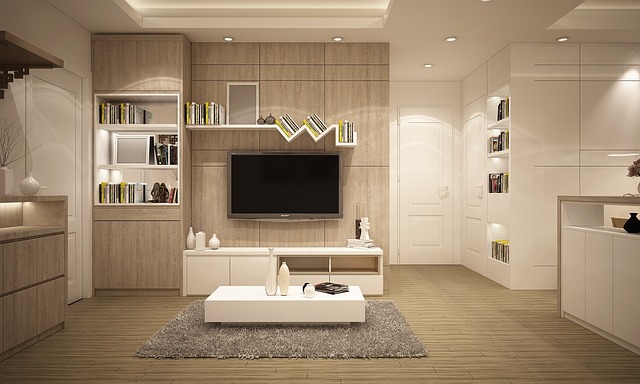
The Evolution of Aging in Place Concepts
Aging in place once meant adapting homes for safety; today it means creating environments that nurture autonomy and dignity. In Sacramento, demographic data shows a steady increase in residents aged 60 and above, prompting a surge in demand for adaptable home design. This shift has encouraged interior decorators to integrate universal design principles with aesthetic storytelling—spaces that feel personal yet functional. Local professionals often collaborate with healthcare consultants to align interiors with cognitive and physical needs while maintaining the warmth of residential character.
The Intersection of Design, Functionality, and Lifestyle
Balancing functionality with lifestyle is an art form. Sacramento’s architectural diversity—from mid-century ranches to Craftsman bungalows—requires sensitivity to context. Universal design elements such as wider doorways or zero-threshold showers must blend seamlessly with original detailing. Equally important is emotional comfort: warm lighting tones, tactile materials like natural wood or linen, and clear sightlines help reduce anxiety among aging occupants. Energy-efficient systems such as low-emission windows or solar-powered ventilation also play a role by lowering utility costs while maintaining comfort year-round.
The Role of an Interior Decorator in Aging-in-Place Projects
Interior decorators are no longer limited to color palettes or furniture sourcing; they act as project coordinators who interpret human needs into spatial realities.
Designing for Accessibility Without Compromising Style
Applying ADA-inspired guidelines can coexist with refined aesthetics when executed carefully. Instead of institutional finishes, decorators favor high-grip porcelain tiles that mimic stone or custom cabinetry with integrated pull handles that double as design features. Lighting is another critical tool—layered illumination using recessed LEDs and task lights improves visibility without glare. Spatial planning also considers circulation paths free from obstructions so mobility aids can move freely while preserving visual harmony.
Customization for Individual Needs and Preferences
Each client presents unique physical abilities and sensory thresholds. Decorators conduct detailed assessments covering reach zones, grip strength, color perception, and auditory comfort. For example, clients with limited mobility may benefit from adjustable countertop heights or motorized storage lifts. Modular furniture systems allow reconfiguration over time as health conditions evolve. Ergonomic placement of switches or outlets further enhances usability without drawing attention to the adaptation itself—a hallmark of discreet accessibility design.
Integrating ADUs into Aging-in-Place Strategies
Accessory dwelling units have become central to Sacramento’s housing evolution. They offer flexibility for multigenerational living while supporting independence for aging family members.
ADUs as Flexible Living Solutions in Sacramento’s Urban Fabric
Sacramento’s zoning policies increasingly support ADU construction on residential lots to address housing shortages and promote aging-in-place options. These compact dwellings can serve as caregiver quarters or independent suites for older adults wishing to stay near family yet maintain privacy. Effective designs emphasize daylight access through clerestory windows or glass doors opening onto small courtyards—creating psychological spaciousness despite limited square footage.
Interior Design Principles for Functional ADU Spaces
Space Optimization Techniques
Open-plan layouts eliminate unnecessary partitions, improving mobility flow between kitchen, living area, and sleeping zone. Built-in storage under benches or along walls maximizes usable area while minimizing clutter—a key factor for safety.
Material Selection and Lighting Strategies
Material choices directly affect safety outcomes: matte finishes reduce glare; non-slip flooring prevents falls; contrasting colors between surfaces improve depth perception for visually impaired residents. Lighting plans often combine ambient overhead fixtures with motion-activated pathway lights that guide movement during nighttime hours.
Technological Integration in Modern Aging-in-Place Design
Technology has transformed how older adults interact with their homes by simplifying control systems and monitoring wellness discreetly.
Smart Home Systems Enhancing Independence
Voice-controlled platforms manage lighting intensity, temperature adjustment, or door locks through simple commands—reducing physical strain. Sensor-based monitoring detects inactivity patterns or potential falls, alerting caregivers instantly via mobile notifications. Automated window treatments respond to daylight levels to regulate indoor temperature efficiently while preserving privacy.
Merging Technology with Aesthetic Design Intentions
Integrating technology seamlessly requires thoughtful concealment within millwork or decorative wall panels so devices don’t visually dominate the space. Designers coordinate screen interfaces with overall color schemes—soft neutrals around black glass panels prevent visual disruption while maintaining user clarity.
Sacramento-Specific Considerations in Aging-in-Place Design
Regional climate plays a decisive role in material performance and energy efficiency strategies across aging-in-place projects within the city.
Regional Architecture and Climate Adaptation
Sacramento experiences hot summers punctuated by mild winters; passive cooling measures such as cross ventilation or reflective roofing reduce dependence on air conditioning systems. Materials like thermally modified wood siding resist heat distortion while keeping exteriors visually aligned with local style traditions.
Local Resources and Collaborative Networks
Partnerships with Contractors and Accessibility Experts
Certified Aging-in-Place Specialists (CAPS) frequently collaborate on compliance reviews ensuring every modification meets both structural code requirements and user needs efficiently.
Leveraging Sacramento’s Design Community
Local artisans contribute bespoke adaptive furnishings—custom dining tables at wheelchair height or hand-carved stair rails—that reflect regional craftsmanship while meeting ergonomic criteria.
Future Directions in Aging-in-Place Interior Design Practice
The field continues evolving toward more human-centered frameworks where emotional health holds equal weight alongside physical function.
Emerging Trends Influencing the Sacramento Market
Biophilic design principles—introducing natural light patterns, greenery walls, or water features—enhance mental resilience among older occupants by connecting them subtly to nature indoors. Multi-generational housing models also influence spatial programming: shared kitchens paired with private retreat zones accommodate diverse age groups under one roof without compromising autonomy.
The Expanding Role of the Interior Decorator as a Strategic Consultant
Today’s interior decorator acts less like a stylist and more like a long-term advisor guiding homeowners through phased adaptation plans spanning decades of occupancy. Their expertise bridges construction logistics with behavioral insight—helping clients anticipate future transitions before they become urgent modifications.
FAQ
Q1: What makes Sacramento unique for aging-in-place design?
A: Its Mediterranean climate demands materials that handle heat efficiently while preserving comfort indoors; local architecture also encourages blending old structures with new accessibility solutions.
Q2: How do interior decorators maintain style when adding accessibility features?
A: They integrate universal design elements subtly through texture variation, lighting balance, and custom finishes that disguise functional adaptations within cohesive aesthetics.
Q3: Are ADUs cost-effective for aging family members?
A: Yes; building an ADU often costs less than long-term assisted living care while allowing proximity between generations without sacrificing independence.
Q4: What technologies best support seniors living alone?
A: Voice-controlled hubs paired with sensor-based monitoring provide safety alerts instantly while simplifying everyday tasks like lighting control or temperature adjustment.
Q5: Why is biophilic design gaining attention among senior housing projects?
A: Exposure to natural elements indoors reduces stress levels, supports circadian rhythm regulation, and fosters emotional stability critical for healthy aging experiences.