
What Do Types Of Houses Styles Reveal About The Essence Of A Cottage
What Really Makes A House A Cottage?
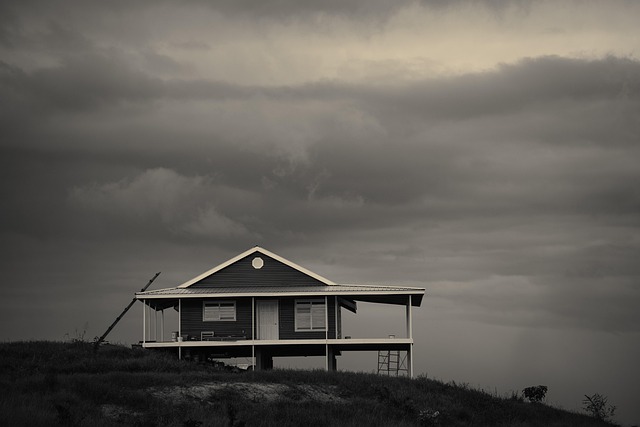
A house becomes a cottage not through size alone but through its architectural intimacy, regional authenticity, and emotional resonance. The essence of a cottage lies in modest scale, handcrafted materials, and a close relationship with the landscape. It embodies warmth and simplicity rather than luxury or grandeur. Across different types of houses styles, the cottage stands apart for its human-centered proportions and timeless connection to domestic life.
Understanding the Relationship Between House Styles and the Cottage Identity
The identity of a cottage has always been linked to both its form and its cultural meaning. While many dwellings share rustic features, the cottage carries a specific architectural language that evokes comfort and retreat.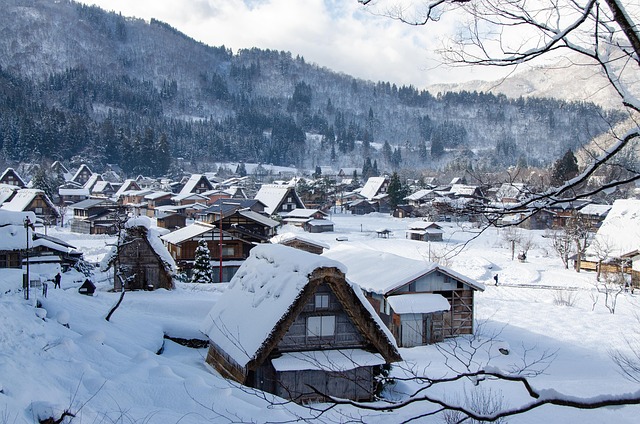
Defining the Concept of a Cottage in Architectural Terms
Historically, the term “cottage” described small rural homes built by farmers or laborers near their place of work. Over centuries, it evolved into an architectural style characterized by compactness, steep roofs, and textured materials. In Britain, cottages often feature stone walls and thatched roofs; in North America, they lean toward timber framing and clapboard siding. Despite regional variation, cottages maintain a consistent sense of scale—small enough to feel personal yet designed with care for proportion and craft. Unlike villas or townhouses, they emphasize domestic intimacy over display.
The Cultural and Historical Context of Cottage Architecture
Cottage architecture emerged from agrarian societies where function dictated form. Early cottages were built with local materials—stone in Cornwall, timber in New England—reflecting vernacular traditions shaped by necessity. With industrialization came nostalgia for rural life; urban dwellers sought weekend retreats that mimicked pastoral simplicity. This shift turned the cottage from a working home into a symbol of escape from mechanized modernity. Literature and art reinforced this ideal, portraying cottages as havens of warmth and moral clarity amid social change.
Comparing Types of House Styles to Understand Cottage Essence
To grasp what defines a cottage within broader types of houses styles, one must contrast it with urban apartments or suburban homes. Each style reflects different priorities: efficiency in cities, status in suburbs, comfort in cottages.
Contrasting Cottages with Urban and Suburban Housing Styles
Urban homes typically maximize vertical space due to limited land; their facades are formal, materials industrial. Cottages instead sprawl horizontally with low eaves and irregular footprints that follow terrain contours. Suburban houses may borrow gables or shutters from cottage imagery but often lose authenticity through scale inflation. True cottages prioritize intimacy—narrow corridors, low ceilings, rooms arranged around hearths rather than hallways—creating spatial warmth absent in larger residences.
The Influence of Vernacular Architecture on Cottage Form
Vernacular architecture deeply informs cottage design. Builders historically used what was available: limestone in Yorkshire, cedar shingles along coastal Maine. These choices shaped regional identities while ensuring climatic performance—thick walls retained heat; small windows reduced drafts; pitched roofs shed rain or snow efficiently. Modern interpretations that honor these vernacular principles preserve authenticity even when using new materials like fiber cement or insulated panels.
The Architectural Language That Defines a Cottage
The architectural vocabulary of cottages speaks softly but distinctly: proportion over ornamentation, texture over polish, comfort over spectacle.
Key Design Elements That Convey “Cottageness”
Scale and Proportion
Cottages rely on modest dimensions that bring human scale to architecture. Rooms feel enclosed yet breathable; rooflines stay low to nestle into surroundings. Asymmetrical layouts add charm by avoiding rigid symmetry common in grander types of houses styles.
Materials and Textures
Natural materials define the tactile quality of cottages—rough-hewn stone bases paired with timber frames or brick chimneys. Interiors contrast this rugged exterior with plastered walls or soft wood finishes that radiate warmth under natural light.
Spatial Organization and Interior Atmosphere
Inside a cottage, structure follows function without pretense: compact kitchens near garden doors, exposed beams crossing ceilings above open hearths. Every space contributes to an atmosphere of utility balanced by coziness—a hallmark absent from more formal house types.
Symbolism Embedded in Cottage Style Homes
Beyond structure lies symbolism—the emotional narrative tied to living simply within nature’s rhythm.
The Psychological Appeal of the Cottage Aesthetic
Cottages evoke nostalgia because they represent retreat from modern excess. Their smallness feels safe; their imperfections humanize them. Studies in environmental psychology suggest such environments reduce stress by evoking familiarity and sensory richness—wood grain under hand, smoke scent from fireplaces—all reinforcing comfort beyond visual aesthetics.
The Role of Landscape Integration in Defining Cottage Character
No cottage exists without its setting. Gardens overflowing with herbs or wildflowers blur boundaries between built form and nature. Pathways curve naturally rather than align geometrically; fences are low enough to invite view rather than exclude it. This harmony between dwelling and landscape completes the cottage identity as much as any architectural detail.
Contemporary Interpretations of Cottage Architecture
Modern architects reinterpret traditional principles while adapting them for today’s needs—energy efficiency, modular construction, sustainability—all without losing emotional resonance.
Modern Adaptations While Retaining Traditional Essence
Contemporary cottages might use cross-laminated timber instead of oak beams or triple-glazed windows instead of shutters yet still echo traditional charm through proportion and material honesty. Many sustainable housing projects adopt cottage values: simplicity in plan, passive heating via thick walls or south-facing windows, minimal resource use mirroring older self-sufficient lifestyles.
The Enduring Relevance of Cottages in Modern Housing Design
Despite evolving types of houses styles, designers continue referencing cottages because they embody timeless human desires for belonging and refuge. Digital fabrication now allows bespoke small homes at lower cost while retaining handcrafted appearance; adaptive reuse converts barns or sheds into modern cottages without erasing history. These innovations prove that “cottage” remains less about era than ethos—a continuing dialogue between tradition and technology.
FAQ
Q1: What distinguishes a cottage from other small houses?
A: A cottage differs through its handcrafted character, asymmetrical form, natural materials, and integration with landscape rather than just size.
Q2: Are all cottages located in rural areas?
A: Not necessarily; urban infill projects sometimes reinterpret cottage principles within city limits using compact footprints and garden courtyards.
Q3: How do regional climates affect cottage design?
A: Cold regions favor thick masonry walls and steep roofs for snow shedding; warmer zones adopt lighter materials like wood with wide eaves for shade.
Q4: Why do modern homeowners still prefer cottages?
A: They offer emotional comfort through scale and texture while aligning with sustainable values such as efficient energy use and local sourcing.
Q5: Can contemporary technologies coexist with traditional cottage aesthetics?
A: Yes; smart systems can be discreetly integrated without altering visual authenticity when design prioritizes proportion, material honesty, and context sensitivity.