
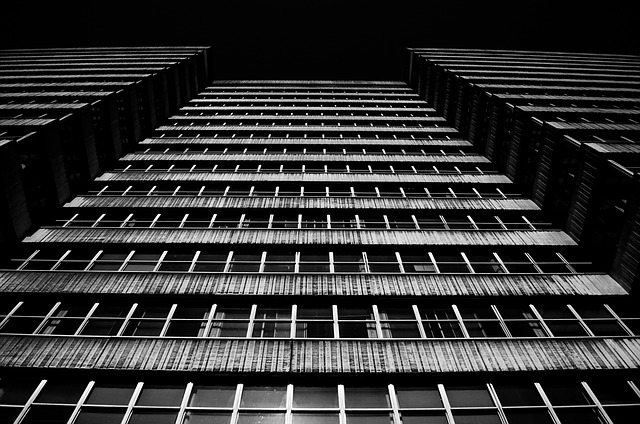
How Does Brutalist Art Define the Architectural Identity of the Barbican Centre
Barbican Centre: The Brutalist Landmark Weaving Art Into Everyday London Life
The Barbican Centre stands as one of the most complete expressions of brutalist art and architecture in Europe. Built during London’s post-war reconstruction, it merges cultural ambition with civic life through its unapologetic use of concrete, monumental geometry, and integrated public spaces. Far from being a relic of the past, the Barbican continues to influence contemporary design thinking by demonstrating how raw materiality and social purpose can coexist within a dense urban environment.
The Architectural Philosophy Behind Brutalist Art
Brutalism is often misunderstood as merely austere or heavy. In reality, it was a moral and aesthetic stance that valued honesty in materials and structure. Before exploring the Barbican’s architectural language, it is vital to trace the principles that shaped brutalist art itself.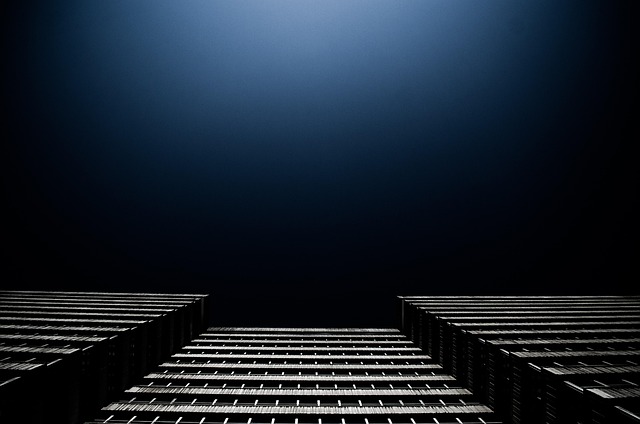
Understanding the Core Principles of Brutalism
Brutalism emerged in the mid-20th century as a reaction against decorative modernism. It emphasized raw materials, structural honesty, and functional expression. The aesthetic prioritized form following function, rejecting unnecessary ornamentation. Exposed concrete surfaces reflected both material truth and modernist ideals by leaving construction marks visible rather than polished away. This transparency created an architecture that felt authentic—an unfiltered dialogue between structure and space.
The Intersection of Brutalist Art and Architecture
Brutalist art extended these architectural ideas into sculpture and installation. Artists began using cast concrete, steel, and glass to explore mass and texture as expressive tools. Both artists and architects focused on how these materials engaged with urban context—how light hit rough surfaces or how people moved through monumental voids. By embedding works within public environments, brutalism sought to democratize art: making aesthetic experience part of everyday life rather than confined to galleries.
The Barbican Centre as an Expression of Brutalist Ideology
The Barbican Centre exemplifies how brutalist philosophy could shape not just buildings but entire communities. Conceived during London’s post-war rebuilding effort, it reimagined what a cultural district could be—self-contained yet porous to city life.
Conceptual Foundations of the Barbican Design
Designed by Chamberlin, Powell and Bon during the 1950s reconstruction era, the Barbican aimed to unite living, culture, and leisure within one urban framework. It was conceived as a utopian vision: high-density housing interwoven with theatres, galleries, schools, lakes, and gardens. This integration reflected a belief that architecture could rebuild social fabric after wartime destruction—a belief deeply rooted in modernist optimism.
Materiality and Form in the Barbican’s Architectural Language
Materially, the complex is defined by board-marked concrete—a technique that leaves timber grain imprints visible across façades. This tactile surface gives warmth to an otherwise cold material while emphasizing craftsmanship within industrial construction. Repetitive geometries across towers and terraces create rhythm; they give coherence to vast spaces without relying on ornamentation. Structural clarity—visible beams, cantilevers, walkways—communicates strength and permanence. Every line serves purpose; every void carries weight.
Integrating Art Within the Built Environment
The Barbican’s success lies not only in its architecture but also in how art inhabits its spaces. Its plazas, bridges, and corridors blur distinctions between built form and artistic composition.
Sculptural Integration in Public Spaces
Throughout the complex, sculptural forms are embedded directly into circulation routes—terraces dotted with abstract installations or fountains framed by concrete balustrades. These elements transform movement into experience: walking becomes participation in an unfolding artwork. Rather than isolating art behind walls, the design invites touch, proximity, even wear from daily use—a quiet rebellion against passive observation.
Light, Shadow, and Texture as Artistic Devices
Concrete at the Barbican behaves almost like canvas for natural light. Morning sun grazes textured walls; afternoon shadows carve deep reliefs across stairwells. These shifting tones animate static massing throughout the day. Texture amplifies this effect: rough board-marks catch light differently from smooth soffits above water pools. Such interplay turns solid structure into kinetic sculpture—a core tenet of brutalist art often overlooked by its critics.
Social Context and Urban Identity of the Barbican Centre
To grasp why the Barbican matters today requires revisiting its social origins. Brutalism was never just style—it was social agenda cast in concrete.
The Role of Brutalism in Post-War Urban Renewal
Post-war Britain faced acute housing shortages alongside cultural dislocation. Brutalism responded with architecture that promised durability and equality through shared infrastructure—communal gardens, elevated walkways, public amenities within reach of all residents. The Barbican embodied this ethos: merging civic responsibility with cultural ambition in one monumental gesture across central London’s bomb-damaged landscape.
Public Perception and Cultural Legacy
When completed in 1982 after decades of planning delays, public reaction was divided. Some saw alien fortress-like masses; others admired uncompromising integrity of vision. Over time perceptions softened as appreciation grew for its spatial richness—the way sound echoes under bridges or greenery softens concrete edges each spring. Today it stands protected as a landmark of mid-century experimentation whose preservation signals evolving respect for modern heritage across Europe.
The Continuing Influence of Brutalist Art on Contemporary Practice
Far from fading into nostalgia, brutalist principles continue shaping architectural discourse worldwide—from adaptive reuse projects to new sustainable materials inspired by its honesty.
Reinterpreting Brutalism in Modern Architecture and Design
Contemporary architects revisit brutalism not by copying concrete forms but by reimagining their spirit: clarity of structure, sincerity of material expression, commitment to social function. Lightweight composites now replace heavy slabs while retaining tactile depth once achieved through board-marking. Environmental design integrates daylighting strategies reminiscent of brutalist concern for natural interaction between building and context.
Artistic Legacy Beyond Architecture
Beyond physical structures, brutalist art informs photography’s fascination with geometry and decay; digital artists simulate its textures to evoke nostalgia for analog craft; filmmakers frame it as backdrop for introspection about modern society’s contradictions. The Barbican remains central to these dialogues—a living case study where art meets infrastructure seamlessly each day as visitors cross its bridges or pause beside reflecting pools.
FAQ
Q1: Why is the Barbican Centre considered an example of brutalist art?
A: Because it embodies core brutalist values such as exposed concrete surfaces, functional expression over decoration, and integration between structure and artistic form.
Q2: Who designed the Barbican Centre?
A: It was designed by Chamberlin, Powell and Bon during London’s post-war reconstruction period beginning in the 1950s.
Q3: How does light affect perception at the Barbican?
A: Light interacts with textured concrete surfaces throughout the day creating dynamic shifts in tone that enhance spatial depth.
Q4: What role did social ideals play in its creation?
A: The project aimed to rebuild community life after war through shared cultural facilities embedded within residential architecture.
Q5: How does brutalist art influence today’s design?
A: Modern designers reinterpret its focus on structural clarity and material honesty using sustainable methods while preserving its expressive intent.