
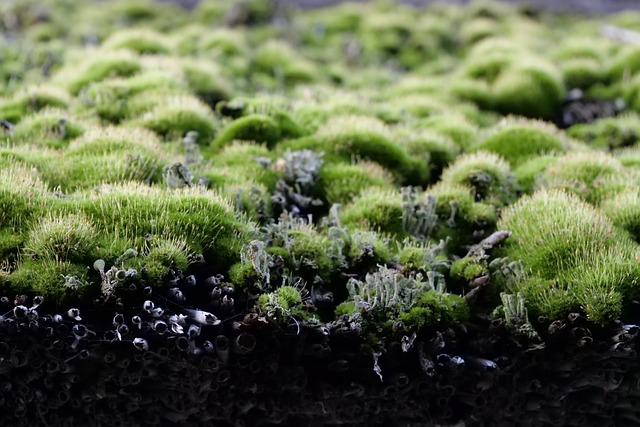
How Archdaily Green Roof Innovations Are Transforming Houses in Argentina
Houses in Argentina: Green Roofs That Blend Architecture and Landscape
Green roofs in Argentina have evolved from niche ecological experiments into mainstream architectural strategies that merge design, sustainability, and cultural identity. They are not just about planting vegetation on rooftops but about redefining how buildings interact with their environment. Across Buenos Aires, Córdoba, and Patagonia, architects now use these systems to reduce heat islands, manage stormwater, and create living habitats above the cityscape. This shift signals a broader transformation in Argentine architecture—where green infrastructure becomes a design language that connects nature with urban life.
The Architectural Integration of Green Roofs in Argentina
The adoption of green roof architecture in Argentina stems from an architectural culture increasingly shaped by environmental awareness and social responsibility. Residential projects now integrate sustainable technologies not as add-ons but as core design elements that express harmony between the built form and natural systems.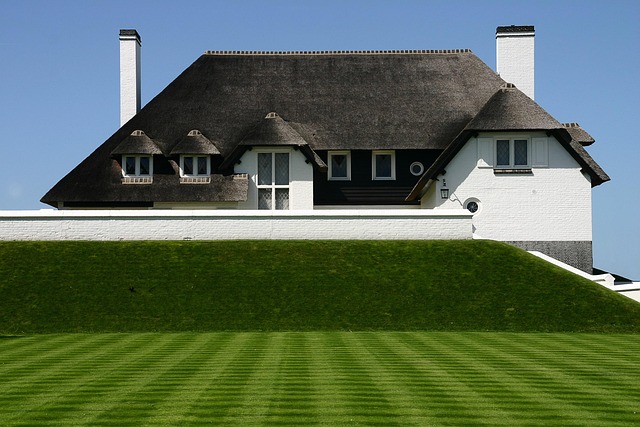
The Emergence of Green Roof Architecture in Argentine Residential Design
Sustainable architecture trends have deeply influenced residential design in Argentina over the past two decades. The rise of eco-conscious clients and stricter energy regulations encouraged architects to rethink traditional construction methods. Urban projects often showcase compact homes where vegetation-covered roofs act as extensions of gardens or courtyards, blending domestic life with ecological performance. ArchDaily’s green roof features have played a pivotal role in highlighting these innovations across both dense urban neighborhoods and rural landscapes. Many Argentine studios now treat roofs as productive ecological layers rather than passive surfaces.
Design Principles Behind Green Roof Integration
Integrating vegetation into roofing requires structural precision. Engineers calculate load capacities carefully, using lightweight substrates to avoid excessive stress on small houses. In regions like Córdoba or Mendoza, thermal insulation is critical; multilayer membranes combine waterproofing with root barriers and drainage mats to maintain durability under varying rainfall patterns. Aesthetically, Argentine architects often align roof slopes with surrounding terrain or use native grasses to echo local ecosystems—achieving visual continuity between architecture and landscape.
Technological Innovations Driving Green Roof Development
Modern green roofs rely heavily on technology to balance ecology with practicality. Material science and digital modeling tools now shape how Argentine designers plan, test, and maintain vegetated roofing systems.
Material Advancements Supporting Sustainable Roofing Systems
Lightweight substrates composed of volcanic rock or recycled aggregates reduce structural load without compromising plant health. Modular planting trays simplify installation for small houses while enabling easy maintenance. Smart irrigation technologies—some controlled by humidity sensors—optimize water use during dry seasons typical of central Argentina. Local materials such as clay granules or geotextiles sourced from regional industries help lower carbon emissions while improving environmental compatibility.
Digital Tools and Parametric Design in Green Roof Planning
Digital workflows have transformed roof design processes. Building Information Modeling (BIM) allows teams to coordinate drainage layouts, insulation layers, and plant zones within one shared model. Parametric tools simulate how sunlight exposure affects vegetation density through the year, helping architects fine-tune geometry for both aesthetics and performance. These simulations also predict microclimatic behavior—estimating temperature drops or humidity retention levels—to enhance energy efficiency outcomes before construction begins.
Environmental Performance and Urban Impact
Green roofs contribute measurable benefits to urban ecosystems while improving indoor comfort for residents. Their environmental role extends beyond individual buildings into broader citywide climate regulation.
Energy Efficiency and Climate Regulation Benefits
In dense cities like Buenos Aires or Rosario, vegetated roofs help mitigate heat island effects by absorbing solar radiation instead of reflecting it back into the atmosphere. For small houses, the soil layer acts as natural insulation that stabilizes indoor temperatures throughout hot summers and cool winters. This passive thermal control reduces dependency on air conditioning systems, lowering household energy demand significantly over time.
Ecological Contributions to Urban Biodiversity
Green roofs serve as microhabitats for pollinators such as bees and butterflies that struggle to survive amid concrete-dominated environments. They also improve stormwater retention capacity by delaying runoff during heavy rain events—a growing concern for flood-prone urban zones. When implemented at scale across districts, these vegetated surfaces form ecological corridors reconnecting fragmented habitats across metropolitan regions.
Adaptation to Local Contexts: Green Roofs in Argentine Small House Plans
Designing green roofs for compact dwellings requires balancing spatial efficiency with environmental ambition. Architects experiment with modular systems suited for low-rise homes while adapting details to diverse climatic conditions across Argentina’s vast geography.
Designing for Compact Residential Typologies
Small house plans often feature flat or slightly sloped roofs that double as accessible terraces or gardens. Structural reinforcements focus on lightweight layering rather than deep soil beds to maintain feasibility without altering proportions of the dwelling below. Prefabricated modular units allow quick assembly even on limited budgets—a practical solution embraced by younger families seeking sustainable living within tight plots.
Regional Variations in Implementation Across Argentina
Patagonia’s Climatic Challenges and Design Responses
In Patagonia’s cold windy climate, hardy alpine species withstand frost while dense insulation layers protect interiors from sharp temperature swings common along the Andes foothills.
Central Region’s Semi-Arid Conditions and Water Management Solutions
Central provinces adopt drought-tolerant succulents paired with drip irrigation fed by recycled greywater systems—an efficient response to scarce rainfall conditions.
Northern Subtropical Regions: Managing Humidity and Vegetation Density
In Misiones or Formosa, high humidity demands careful ventilation detailing beneath roof membranes to prevent moisture buildup; fast-growing native plants provide shading that cools upper floors naturally.
The Socio-Cultural Dimension of Green Roof Architecture in Argentina
Beyond technical innovation lies a deeper cultural narrative where architecture expresses renewed respect for nature’s cycles within everyday life.
Reinterpreting the Relationship Between Architecture and Nature
Contemporary Argentine design increasingly rejects isolated building objects in favor of landscape-integrated forms that evolve organically from their surroundings. This philosophical shift reflects local traditions valuing coexistence with natural elements—from pampas grasslands to mountain valleys—and repositions architecture as an active participant within ecological systems rather than a separate entity.
Educational and Community Impacts Through Sustainable Housing Models
Visible green infrastructure fosters environmental awareness among residents who witness seasonal changes atop their own homes. Community-led programs have begun promoting rooftop gardens even within social housing developments, encouraging collective maintenance practices that strengthen neighborhood ties while spreading sustainable habits across socioeconomic boundaries.
Future Directions for Green Roof Innovation Highlighted by ArchDaily Projects in Argentina
As research expands, new hybrid solutions are emerging that combine renewable energy production with ecological roofing concepts showcased across several recent projects featured on ArchDaily green roof case studies.
Emerging Research Trends and Experimental Practices
Architects are experimenting with dual-layer systems where solar panels coexist alongside vegetation strips—balancing energy generation with biodiversity support. AI-based monitoring tools now track plant health through sensors embedded within substrate layers, predicting irrigation needs before stress occurs—a promising step toward adaptive maintenance models suited for remote regions.
Policy Support and Incentive Structures Encouraging Adoption
Municipal governments increasingly include green roof criteria within sustainable building certifications, offering tax reductions or grants for compliant developments. Financial incentives targeting private homeowners further stimulate adoption rates across middle-income neighborhoods seeking eco-conscious upgrades aligned with national carbon reduction goals.
FAQ
Q1: What are the main benefits of installing a green roof on small houses in Argentina?
A: They provide thermal insulation, reduce heat island effects, improve air quality, manage rainwater efficiently, and create additional usable outdoor space even within compact plots.
Q2: How do architects handle structural challenges when adding vegetation to roofs?
A: They employ lightweight substrates, reinforced concrete slabs when needed, waterproof membranes with root barriers, and carefully calculated load distributions verified through engineering analysis.
Q3: Are there specific plant species recommended for different Argentine climates?
A: Yes. In Patagonia cold-resistant grasses dominate; central regions use drought-tolerant succulents; subtropical north favors native shade plants adapted to high humidity levels.
Q4: How do digital tools assist designers working on green roof projects?
A: BIM platforms integrate architectural, structural, and landscape data into shared models while parametric simulations predict sunlight exposure patterns and water retention performance prior to construction.
Q5: What policies encourage homeowners or developers to adopt green roofs?
A: Several cities offer financial incentives such as reduced property taxes or expedited permits under sustainable certification programs promoting environmentally responsible housing initiatives aligned with national sustainability targets.