
How Can Coffee Table Accents Elevate 25 Summer Centerpiece Ideas Effortlessly
25 Summer Centerpiece Ideas for Effortless Seasonal Style
Coffee table accents define the tone of a summer interior. They do more than decorate — they narrate the season’s mood through material, proportion, and light. The most compelling summer centerpieces merge function with art, balancing warmth and airiness. From coastal shells to citrus bowls, each accent choice can shift a room’s rhythm without major redesign. For professionals shaping seasonal transitions, the key lies in texture layering, color balance, and spatial restraint that keeps usability intact.
The Role of Coffee Table Accents in Seasonal Styling
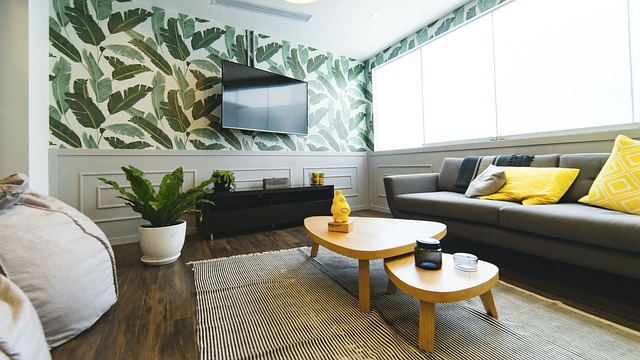
The role of coffee table accents extends beyond ornamentation; they act as compositional anchors that guide visual flow across a living area. Each piece contributes to the atmosphere by defining rhythm and scale.
Aesthetic Impact of Coffee Table Accents
Coffee table accents serve as focal points that set the visual cadence of a room. Their textures—whether matte ceramic or polished glass—affect how light interacts with surfaces. Subtle contrasts between materials create equilibrium, while consistent color palettes maintain cohesion. When arranged thoughtfully, these accents establish both proportion and narrative continuity within seasonal interiors.
Textural and Color Influence on Spatial Harmony
Texture and color dictate how viewers perceive space depth and warmth. A woven rattan tray beside a sleek marble vase creates tactile contrast that feels intentional rather than cluttered. Color transitions from neutral bases to soft corals or ocean blues evoke calm yet lively energy suitable for summer themes.
Placement Strategy for Seasonal Transitions
Strategic placement determines whether a coffee table reads as curated or chaotic. Grouping objects in odd numbers often produces organic balance. Designers frequently rotate accent arrangements seasonally—introducing lighter tones or reflective surfaces during warmer months—to sustain freshness without altering foundational décor.
How Accents Integrate with Summer Design Principles
Summer interiors thrive on openness and brightness. Coffee table accents should echo this philosophy through natural materials and fluid forms that mirror outdoor vibrancy.
Coastal-Inspired Arrangements for Breezy Interiors
Coastal styling captures seaside ease using seashells, driftwood, and muted blues. Layering elements like linen runners beneath glass vases adds depth without heaviness. A single candle in frosted glass can ground maritime motifs while maintaining simplicity—a nod to both minimalism and nostalgia.
Botanical Displays That Capture Summer Vitality
Greenery embodies summer’s vitality better than any synthetic accessory. Succulents in low ceramic bowls or ferns arranged in transparent cylinders introduce life without overwhelming small tables. Mixing plant heights introduces movement across horizontal planes, keeping compositions dynamic yet balanced.
Citrus and Fruit-Based Centerpieces for Vibrant Energy
Bowls filled with lemons or limes offer instant brightness and scent appeal. Neutral ceramics prevent these vivid hues from overpowering the scene. Adding sprigs of mint or basil enhances sensory layering—visual freshness paired with aroma creates an immersive seasonal cue suitable for hospitality spaces or open-plan homes.
The Interplay Between Form, Function, and Seasonal Context
A successful summer centerpiece balances beauty with practicality. Coffee tables must still accommodate daily activities while expressing design intent.
Balancing Decorative Appeal with Practical Usability
Decorative layering should never compromise functionality. Compact trays containing clustered objects allow easy relocation when serving guests or working at the table. Modular pieces like nested bowls adapt quickly between aesthetic display and utilitarian use—a principle valued in contemporary interior design studios.
Material Selection for Seasonal Longevity and Style Continuity
Material resilience defines long-term performance during humid months. Glass resists moisture stains; treated wood maintains structural integrity under sunlight exposure; metal frames add contrast without bulk. Maintaining consistent material palettes across seasons prevents abrupt visual shifts as décor evolves from summer to autumn.
Color Theory in Coffee Table Accent Design for Summer Themes
Color directs emotional response within interior spaces, particularly under strong natural light typical of summer months.
Utilizing Warm and Cool Tones Harmoniously
Pairing coral or terracotta with sage green or aqua achieves chromatic balance that feels lively but not loud. Neutral foundations—ivory ceramics or pale oak trays—anchor these tones so they integrate naturally into existing furniture schemes rather than compete with them.
The Role of Light Reflection in Enhancing Summer Brightness
Reflective finishes amplify daylight penetration throughout interiors. Metallic accents like brushed brass coasters bounce illumination subtly across tabletops, while transparent glass vessels sustain an airy impression even when densely grouped. This manipulation of reflection helps distribute brightness evenly across living zones.
Integrating Texture and Scale in Summer Centerpiece Composition
Texture layering transforms static arrangements into tactile experiences that invite closer observation.
Layering Textures to Create Depth and Interest
Combining woven fibers with smooth ceramics enriches visual complexity without cluttering space. Matte pottery beside glossy shells introduces contrast that feels handcrafted yet refined—a technique common in boutique hospitality lounges emphasizing artisanal aesthetics.
Managing Proportion and Scale Across Accent Elements
Scale harmony prevents dominance by any single object. Large sculptural pieces pair best with smaller companions such as votive candles or compact planters to maintain rhythm across the tabletop field of view. Designers often favor triadic groupings for their natural asymmetry that reads effortlessly cohesive.
Evolving Trends in Coffee Table Styling for Contemporary Summer Spaces
Modern trends reveal two diverging yet complementary directions: minimalist restraint and eclectic fusion inspired by global craftsmanship.
Minimalist Approaches Emphasizing Form Clarity
Minimalist styling values form purity over embellishment. Smooth surfaces framed by negative space create calmness amid visual noise common in urban interiors. Instead of ornate patterns, subtle tonal gradients highlight craftsmanship quality—a direction favored by high-end Scandinavian-inspired brands focusing on tactile understatement.
Eclectic Fusions Bridging Global Influences
Eclecticism celebrates cultural interplay through layered materials: Mediterranean ceramics alongside tropical rattan or Nordic glassware beside Balinese wood carvings. Such combinations allow flexible reinterpretation each season without full redesigns—ideal for designers managing multi-residence portfolios seeking enduring adaptability within evolving global aesthetics.
FAQ
Q1: How can coffee table accents enhance seasonal transitions?
A: By adjusting materials, colors, and textures seasonally—lighter fabrics in summer, denser ones in winter—they help interiors evolve smoothly without structural changes.
Q2: What materials are most durable for summer humidity?
A: Glass, treated wood, metal alloys, and sealed ceramics resist moisture while retaining finish quality under prolonged sunlight exposure.
Q3: How many accent pieces work best on an average-sized coffee table?
A: Typically three to five items arranged asymmetrically maintain balance while leaving functional space clear for daily use.
Q4: Are fruit-based centerpieces practical long-term?
A: Fresh fruit offers short-term vibrancy but requires frequent rotation; faux alternatives maintain appearance longer though lack scent realism.
Q5: What lighting complements reflective coffee table accents?
A: Diffused natural light or soft LED strips enhance metallics and glass reflections without producing glare that disrupts spatial harmony.