
What Makes American Best House Plans Ideal for Modern Homebuyers
Looking to Buy a New Home? These Are the Most Popular House Styles to Know
American best house plans capture the nation’s evolving lifestyle, blending timeless architecture with modern comfort. Today’s buyers favor homes that balance beauty, function, and sustainability. From modern farmhouses to minimalist designs, these plans reflect how Americans live—spacious, bright, and adaptable. Builders value their efficiency and flexibility, while homeowners appreciate the personalization options. The most popular styles reveal a broader shift toward open layouts, eco-conscious materials, and smart technology integration.
Understanding the Appeal of American Best House Plans?
The appeal of American best house plans lies in their ability to evolve with cultural preferences and technological progress. They merge tradition with innovation, creating homes that serve both aesthetic and practical needs.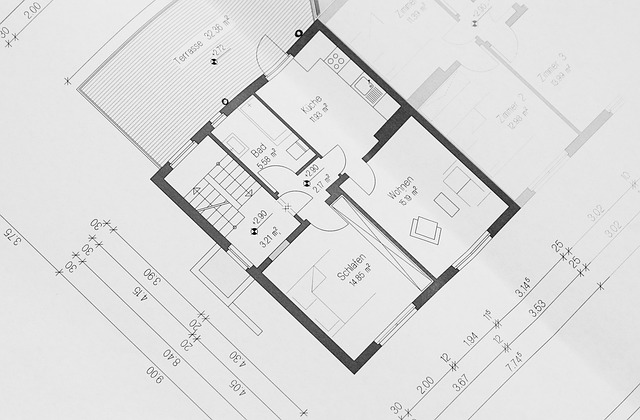
The Evolution of American Home Design
American home design has transformed from ornate Victorian structures to sleek modern layouts emphasizing openness and light. Early 20th-century homes prioritized craftsmanship and regional character. Over time, suburban growth introduced standardized yet versatile blueprints. Today’s designs focus on sustainability, integrating renewable materials and energy-efficient systems that align with environmental goals set by agencies like the U.S. Department of Energy.
Defining Characteristics of American Best House Plans
These plans often feature open floor concepts connecting kitchens, dining areas, and living rooms into one continuous space. Expansive windows and skylights bring natural light indoors while reducing reliance on artificial lighting. Flexibility remains central—rooms can adapt for home offices or guest suites as family needs change. This adaptability explains why such plans remain top choices across diverse markets.
Architectural Styles Represented in American Best House Plans
Each architectural style within American best house plans tells a story about lifestyle preferences and regional identity. From rustic farmhouses to sleek contemporary builds, these designs cater to varying tastes while maintaining structural integrity and comfort.
Modern Farmhouse Design Elements
The modern farmhouse blends rural charm with urban sophistication. It uses natural materials like wood beams paired with metal fixtures for contrast. Large porches create inviting outdoor spaces, while gable roofs enhance symmetry. Inside, open layouts combine function with warmth—a nod to traditional farm living reimagined for modern families seeking simplicity without sacrificing style.
Craftsman and Bungalow Influences
Craftsman homes emphasize handcrafted details—built-in cabinetry, exposed rafters, and tapered columns define their aesthetic. Low-pitched roofs provide visual stability, while covered porches foster neighborly connection. These features attract homeowners who value authenticity and artisan quality over mass production. The bungalow variation offers compact efficiency without losing charm.
Contemporary and Minimalist Home Plans
Contemporary designs favor clean geometry and minimal ornamentation. Flat or low-slope roofs complement large glass walls that blur indoor-outdoor boundaries. Materials like concrete, steel, and recycled composites highlight sustainability commitments consistent with ISO 14001 environmental standards. Integrated smart systems manage lighting and temperature efficiently while promoting energy savings.
Functional Advantages for Modern Homebuyers
Modern homebuyers expect more than curb appeal—they want homes that support flexible living patterns and responsible resource use. American best house plans meet those expectations through efficient layouts and sustainable engineering.
Efficient Use of Space in American Best House Plans
Every square foot serves a purpose in these designs. Multi-purpose rooms accommodate remote work setups or visiting relatives without requiring additional construction. Clever storage—hidden drawers under stairs or built-in shelving—maximizes usability while keeping interiors uncluttered.
Energy Efficiency and Sustainability Considerations
Eco-friendly materials such as bamboo flooring or reclaimed wood minimize environmental impact during construction. Passive solar orientation allows sunlight to warm interiors naturally in winter while shading prevents overheating in summer—a principle supported by the International Energy Agency’s building efficiency guidelines. Smart thermostats further reduce waste by adjusting consumption patterns automatically.
Customization Opportunities in American Best House Plans
Customization defines the success of American best house plans because no two families share identical routines or priorities. Buyers can tailor every aspect—from layout adjustments to finishes—to create a home reflecting their lifestyle.
Adapting Floor Plans to Lifestyle Needs
Flexible floor plans allow owners to modify room configurations easily as families grow or hobbies change focus. A garage workshop might later convert into an office or gym without major reconstruction costs—a practical advantage for long-term ownership planning.
Regional Adaptations Across the United States
Regional differences shape design adjustments nationwide: thicker insulation suits northern climates; cross-ventilation benefits southern regions prone to humidity. Local building codes also influence modifications ensuring safety compliance under standards similar to those outlined by the International Code Council (ICC). Exterior finishes often mirror local landscapes—stone facades in mountain areas or stucco along coastal zones—to maintain harmony with surroundings.
The Role of Technology in Modern Home Design Selection
Technology has revolutionized how buyers explore and customize house plans before breaking ground. Digital visualization tools make architectural decision-making faster and more precise than ever before.
Digital Tools for Plan Visualization and Modification
3D modeling software allows prospective homeowners to virtually walk through spaces before finalizing blueprints. Online customization platforms simplify design revisions instantly instead of relying on manual drafts. Virtual reality experiences further enhance perception of scale, natural light flow, and furniture placement accuracy—a significant leap from static renderings once used by architects.
Data-Informed Design Trends Shaping Future House Plans
Analytics derived from online user behavior reveal which layouts dominate buyer interest—open kitchens consistently rank high among millennial purchasers according to housing market data published by Reuters Real Estate Analytics in 2023. Predictive modeling helps architects anticipate future preferences such as smaller footprints combined with greater outdoor connectivity through patios or decks integrated into main living zones.
Market Insights: Why Experts Recommend American Best House Plans
Architects and developers increasingly advocate using pre-designed yet customizable templates because they align economic efficiency with creative flexibility—a balance crucial in today’s competitive housing market.
Balancing Aesthetics with Practicality in Modern Housing Markets
Homes built from these plans retain long-term value due to timeless proportions paired with functional adaptability. Their balanced aesthetics prevent premature obsolescence even as interior trends evolve every few years—a factor influencing appraisals positively across multiple states based on data from Bloomberg Property Index reports.
The Strategic Value for Builders and Developers
For builders, standardized templates shorten project timelines without compromising quality control metrics set by industry benchmarks like ISO 9001 for construction management systems. Developers benefit from predictable cost structures while offering clients enough personalization options to differentiate each property within planned communities focused on sustainable growth models favored by investors nationwide.
FAQ
Q1: What makes American best house plans different from standard blueprints?
A: They emphasize flexibility, energy efficiency, and regionally adaptive design that accommodates diverse lifestyles more effectively than generic templates.
Q2: Are modern farmhouse styles still popular among new buyers?
A: Yes, they remain highly sought after because they blend rustic textures with contemporary comfort suited for both urban outskirts and rural settings.
Q3: How do these plans contribute to sustainability goals?
A: By integrating passive solar design principles, eco-friendly materials, and smart energy systems aligned with international environmental standards.
Q4: Can homeowners customize pre-designed layouts extensively?
A: Absolutely; most providers allow structural modifications along with personalized finishes so each build reflects individual taste while staying cost-effective.
Q5: What technologies are shaping future home plan development?
A: Advanced 3D modeling tools, virtual walkthroughs, predictive analytics on buyer preferences, and integration-ready smart ecosystems are redefining how homes are designed today.