
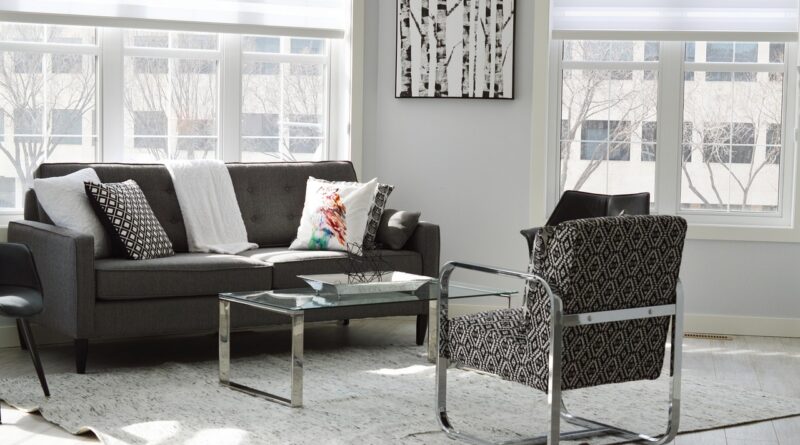
How Can Urban Furniture Decor Make Small City Homes Feel Bigger?
Why Does Urban Furniture Decor Matter in City Homes?
Urban furniture decor is now a useful design approach for renters, homeowners, and developers working with compact rooms, shared living areas, and busy daily habits. If you are planning a small apartment, a city townhouse, or a flexible studio, the right furniture and decor can help the home feel more open without making it feel plain. For more ideas across styles and product categories, visit the Archithaus Furniture & Decor section.
City Growth Changes Home Priorities
City living is not a small side market anymore. UN DESA’s 2018 World Urbanization Prospects reported that 55% of the world’s population lived in urban areas in 2018, with the share projected to reach 68% by 2050. The same report noted that Northern America was already 82% urban in 2018. For home design, the point is direct: more people live near transit, offices, schools, and small retail streets. Their homes have to do more work inside less floor area. (desapublications.un.org)
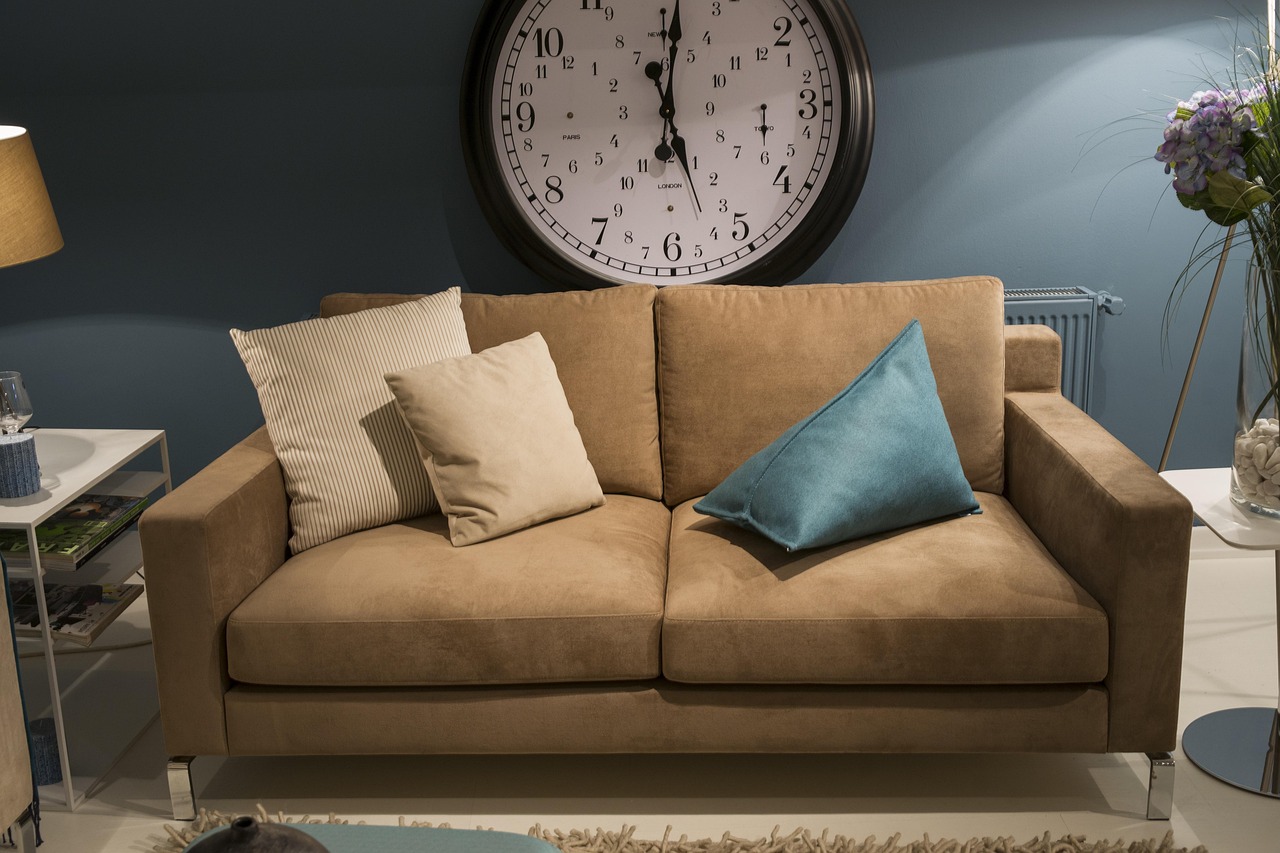
Smaller Homes Need Clearer Decisions
Furniture choices carry more weight when rooms get smaller. The National Association of Home Builders reported in February 2024 that the average size of a new home fell from 2,479 square feet in 2022 to 2,411 square feet in 2023, the smallest average in 13 years. It also said 38% of builders built smaller homes in 2023, while 26% planned to build even smaller in 2024. This does not mean every home is tiny. It does mean unused corners, oversized sofas, and random decor are harder to ignore. (nahb.org)
Comfort Is a Daily Design Test
A good city home should work on a weekday morning and still feel easy on a Sunday night. People need a spot for keys, shoes, laptop cables, coats, meals, and rest. A nice chair that blocks the balcony door will become irritating quickly. A storage bench near the entry may look simple, but it can solve several small problems before the day starts. That is the practical side of urban decor: it looks good, and it handles a job.
What Makes Urban Furniture Decor Work in a Small Room?
Good small-room design starts with daily use, not with a showroom photo. Before buying a sofa or coffee table, watch how the room is used. Where does the bag land? Where does the sun hit in the afternoon? Where can guests sit without feeling pushed against the wall? These basic questions usually lead to better furniture choices.
Furniture with More Than One Job
Multi-use furniture does not need to look like a student-room fix. A storage ottoman can hold blankets and also work as extra seating. A drop-leaf table can shift from breakfast table to work surface. A slim console can serve as a landing spot, a bar shelf, or a shallow desk. Choose pieces that justify the floor area they take, especially in open-plan apartments where one room may need to act as living room, office, and dining area.
- Pick nesting tables when guests visit often but floor area is limited.
- Use a bench with hidden storage near an entry or window.
- Choose a sofa with raised legs so the floor line stays visible.
Clear Walking Lines
A room feels bigger when people can walk through it without bumping into furniture. Leave a clear path from the door to the main seat, window, and kitchen zone. In a narrow living room, two smaller lounge chairs may work better than one deep sectional. The target is not empty space just for appearance. The target is a route that feels normal, because even a good-looking room becomes tiring when every step needs a sideways move.
Low Visual Weight
Visual weight means how heavy a piece feels to the eye before anyone measures it. Glass tops, open shelving, cane panels, slim metal frames, pale woods, and raised bases often feel lighter than solid block shapes. A low media unit can make a wall feel wider. A round table can ease tight corners. This is not a design trick; it is simply how people read a room when they walk in.
Which Materials and Finishes Fit Urban Living?
Urban homes take a lot of daily use. Floors deal with shoes, scooters, pet paws, grocery bags, and sometimes a wet umbrella in the wrong place. Materials should look good, last well, and clean without much trouble. Style still matters, but city furniture also needs some strength.
Durable Surfaces for Heavy Use
For tables, consider sealed wood, compact laminate, powder-coated metal, stone-look porcelain, or other surfaces that can take normal daily wear. For upholstery, performance fabrics, tight weaves, leather, and easy-clean slipcovers often work better than delicate linen in a main living room. If the home gets strong sun, check fade resistance before buying. A sofa that looks good for six months but sags, pills, or stains easily is not a smart city purchase.
Warmer Textures in Compact Spaces
Small rooms can feel cold when every surface is smooth and hard. Add warmth with wool rugs, bouclé pillows, oak shelves, linen curtains, woven baskets, or matte ceramic pieces. Keep the color range controlled, then change the texture. For example, a cream sofa, walnut side table, black lamp, and ribbed glass vase can feel layered without making the room look busy. It is a small move, but it helps.
Reused and Long-Life Pieces
Buying fewer, better pieces also connects to waste. The U.S. Environmental Protection Agency’s 2018 materials data listed furniture and furnishings at 12.08 million tons generated in the municipal solid waste stream. That number gives useful context for city decor decisions. A sturdy vintage dresser, a reupholstered chair, or a modular shelving system that moves with you can reduce waste and keep some character in the room. (epa.gov)
How Can Layout Make a City Home Feel Larger?
Layout is where many urban rooms either work or fail. You can buy good furniture, but if the scale fights the room, the space will still feel tight. Start with the largest piece, usually the sofa, bed, or dining table. Then give every other piece a clear reason to stay.
One Strong Focal Point
A small room works better with one clear focal point. It can be a window, a low sofa wall, a built-in shelf, a large artwork, or a comfortable reading corner. Try not to make the television, gallery wall, plant stand, and bookcase all compete at the same time. When the eye has one place to settle, the room feels calmer. A bit of blank wall is not wasted space. In many small homes, it is what lets the better pieces stand out.
Vertical Storage Instead of Floor Clutter
City homes often have more usable wall space than spare floor space. Use that wall space where it makes sense. Tall bookcases, wall hooks, floating shelves, and narrow cabinets can move clutter off the floor. In kitchens, a rail system can hold pans or mugs. In entries, a simple wall shelf with hooks can replace a heavy coat tree. Put the deepest storage aside for items used less often, and keep daily items at hand level. It sounds basic because it is, but basic habits keep small spaces under control.
Zones Without Heavy Walls
Open-plan city rooms need zones, but they do not always need walls. A rug can define the living area, and a pendant light can mark the dining spot. A backless shelf can split off a work corner without taking away daylight. Curtains can hide a bed nook in a studio. The best dividers are useful from both sides. If a screen only blocks light and collects dust, it may not be solving the right issue. See also: Building Styles.
What Decor Details Make an Urban Home Feel Finished?
Decor is not just the last layer after the furniture arrives. It affects mood, scale, and daily comfort. In a compact home, though, editing is important. A few personal items usually work better than a shelf crowded with objects from every recent trend.
Layered Light for Morning and Night
Overhead light alone can make small rooms feel sharp and flat. Use layers instead: a ceiling fixture, a floor lamp by the sofa, a small table lamp, and task light where work happens. Warm bulbs in the evening make a room feel softer, while brighter task light helps at a desk or kitchen counter. If space is short, wall sconces or plug-in picture lights can free up tabletop space.
Art and Objects with Breathing Room
One larger artwork can make a compact room feel more settled than six small pieces spread around. Hang art at a normal viewing height, not too close to the ceiling. On shelves, leave space between objects so each item can be seen. A stack of books, one bowl, and a framed photo can be enough. A small human detail also helps: a slightly odd souvenir from a trip often feels better than another perfect beige vase.
Plants, Mirrors, and Soft Edges
Plants add shape and life, but scale still matters. A tall plant in a corner can work better than five tiny pots sitting on every surface. Mirrors can move light around, especially opposite or near a window, but avoid placing them where they only reflect clutter. Soft edges help as well. Rounded stools, curved lamps, and fabric shades can balance the hard lines common in apartments, elevators, and city views.
How Should You Choose a Style for Urban Furniture Decor?
Urban style does not have one set look. It can be warm modern, industrial, Japandi, vintage, mid-century, minimalist, or colorful and collected. What matters is control. Choose a clear base, then add personality through pieces that can be changed later.
A Simple Base Palette
A simple base makes small rooms easier to furnish. Use two or three main colors for the largest items, such as the sofa, rug, curtains, bed, and storage. Neutrals are common because they work through different seasons, but they are not required. Deep green, clay, navy, or charcoal can work if the room has enough light. Keep the main pieces calm, then let smaller decor carry stronger color.
Local Character and Personal Items
Urban homes usually feel better when they do not look copied from a set. Add a framed transit map, a local print, a handmade bowl, or a chair from a nearby vintage shop. These details connect the room to its neighborhood. You do not need many of them. A few real pieces can do more than a full set of matching accessories.
Flexible Pieces for Future Moves
City living often changes with little warning. A rental ends, a roommate moves in, a job changes, or a home office turns into a nursery. Choose furniture that can handle a new floor plan. Modular shelving, stackable stools, small side tables, and armless chairs adapt well. Try not to buy every item for one exact wall unless you know you will stay for years. Flexibility is not a dull choice; it is a practical one.
FAQ
Q1: What Is Urban Furniture Decor? A: Urban furniture decor is a furniture and styling approach for city homes, apartments, studios, and compact townhouses. It focuses on good scale, useful storage, durable materials, and decor that adds character without crowding the room.
Q2: How Do You Make a Small City Apartment Feel Bigger? A: Start with fewer large pieces, raised furniture legs, clear walking paths, vertical storage, and layered lighting. Use one clear focal point and keep decor edited, so the room feels planned rather than packed.
Q3: What Furniture Works Best for Urban Living Rooms? A: Slim sofas, nesting tables, storage ottomans, wall-mounted shelves, compact media units, and lightweight lounge chairs usually work well. The right choice depends on room shape, window placement, and daily habits.
Q4: Is Urban Furniture Decor Always Minimalist? A: No. Urban decor can be colorful, vintage, industrial, warm modern, or relaxed. The point is not to make the room bare. The point is to choose pieces with the right scale, function, and visual balance.
Q5: How Can You Decorate an Urban Home on a Budget? A: Spend more on the pieces used every day, such as a sofa, mattress, desk chair, or dining table. Save on art prints, vintage side tables, secondhand lamps, simple shelves, and textiles that can be changed later.