
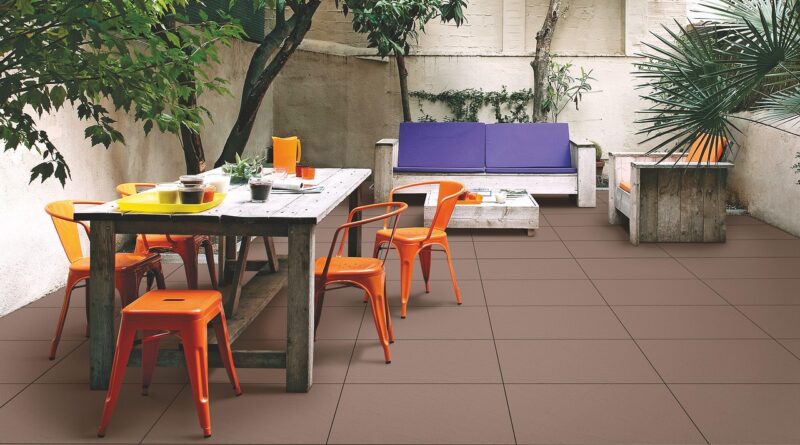
What Outdoor Furniture Decor Makes a Patio Look Expensive and Last Longer?
Why Does Outdoor Furniture Decor Matter More than Ever?
Outdoor furniture decor is not just a summer add-on anymore. It affects how people sit, eat, host friends, and move between the house and the garden. For more ideas across indoor and outdoor styling, the Furniture & Decor section can help you build a more complete look without treating the patio like a leftover corner.
Outdoor Rooms Are Now Everyday Rooms
Residential design data shows the same change. The American Institute of Architects Home Design Trends Survey for Q2 2025 reported that outdoor living spaces, covered outdoor spaces, and outdoor rooms remained the leading exterior feature trend, with a +55 popularity balance among residential architecture firms. Blended indoor and outdoor spaces also stayed strong at +40. Put simply, homeowners want patios and decks that work like rooms, not empty slabs outside the back door.
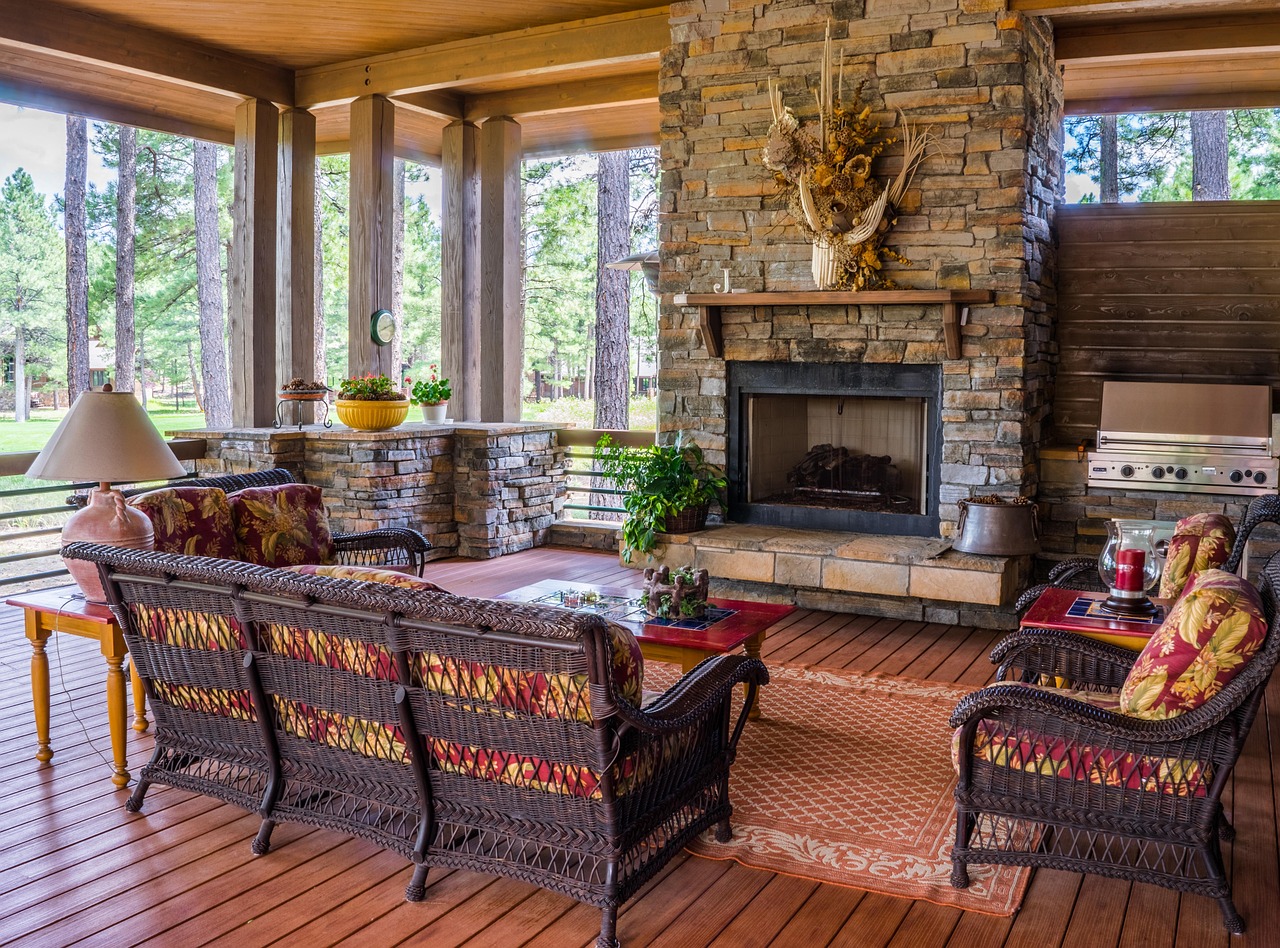
Durability Beats Quick Style
The International Casual Furnishings Association 2025 Outdoor Living Trend Report, based on Wakefield Research among 1,000 nationally representative U.S. adults in January 2025, found that 67% of consumers prioritize practicality and durability over style when buying outdoor furnishings. That does not mean style has no value. It means the look has to hold up under sun, rain, pollen, pets, spilled iced tea, and the windy evening nobody planned for.
Small Updates Can Change Daily Use
The same ICFA report found that 85% of U.S. households have some type of outdoor space, yet 77% of consumers with outdoor spaces do not spend as much time outside at home as they would like. That points to a common issue we see in real projects. Many patios do not need a full rebuild. They need better seating, shade, lighting, and decor that make it easy to step outside and stay there.
What Furniture Pieces Should Anchor Your Outdoor Room?
Before choosing colors or accessories, decide what the outdoor room needs to do on normal days. A dinner-first patio needs a different anchor than a reading balcony or a poolside lounge. Start with the way people use the space, then buy the pieces. It sounds simple, but it stops the common mistake of filling a deck with furniture that looks good in a product photo and feels wrong at home.
Seating Sets the Social Zone
A sofa, sectional, or pair of lounge chairs gives the space its main use. If you host often, angle chairs toward each other instead of pushing every piece against the wall. If the patio is narrow, two lounge chairs and a small table can work better than a heavy sectional. Deep seating is best when the cushions are firm enough to get out of easily, not the type that traps a guest after dinner.
Dining Pieces Need Clear Movement
Outdoor dining furniture should fit the patio when people are using it, not only when the chairs are tucked in. A round table often works well on square patios because it softens the corners and keeps conversation open. Rectangular tables suit long decks, especially near sliding doors. If space is limited, a bench on one side can save room and still seat extra people when needed.
Accent Furniture Adds Function
Accent tables, garden stools, storage benches, bar carts, and plant stands are not just decoration. They make the space easier to use and keep it from looking like a showroom set. ICFA 2025 data placed accent pieces such as benches and porch swings among top wish-list items for outdoor spaces. One small table beside each seat is not a luxury detail, but it is often the difference between using the patio and carrying drinks back inside.
Which Materials Last Best in Real Weather?
Material choice decides how much work your outdoor furniture decor will need after the first season. A dry inland patio, a shaded coastal porch, and a humid backyard with trees all wear on furniture in different ways. Choose for climate first. After that, look at finish, shape, and color.
Powder Coated Aluminum for Low Care
Powder coated aluminum is used often because it is light, rust resistant, and easy to move before storms. It suits modern patios, rooftops, and families who change the seating layout often. Check for welded joints, replaceable glides, and a finish that feels even on the underside, not only on the parts you see first. Thin aluminum can feel weak, so frame weight and construction still matter.
Teak and Dense Hardwoods for Warmth
Teak and other dense hardwoods bring a natural warm tone that metal does not copy. They sit well with stone, brick, linen-colored cushions, and planted borders. The tradeoff is care. Teak can weather to a silvery gray, which many owners like, but it still needs cleaning. If you want a golden tone all year, plan for regular maintenance instead of treating wood as maintenance free.
Resin Wicker and Recycled Plastic for Easy Cleaning
Consumer Reports patio furniture guidance has long separated natural wicker from all-weather resin wicker, noting that natural wicker is not meant for outdoor exposure. Synthetic wicker over a metal frame gives you texture without the same risk of rot. Recycled plastic and HDPE lumber also suit busy homes because they rinse clean, resist splinters, and often come in stable colors. They can look casual, so use better cushions and clean-lined planters if you want the area to look more finished.
How Can Decor Make the Space Feel Finished?
Furniture gives the patio its structure, but decor gives it comfort and character. The point is not to move indoor accessories outside. The better approach is to choose outdoor-safe pieces that add softness, rhythm, and a bit of personality. This is where a plain set of chairs can start to look planned.
Outdoor Rugs Define the Floor
An outdoor rug frames a seating group and makes concrete, tile, or decking feel more like a room. Choose a rug large enough for at least the front legs of chairs or sofas to sit on it. Small rugs floating in the middle tend to look off. Flatweave polypropylene styles dry fast and usually clean with a hose, which helps if the patio sits under trees.
Cushions and Pillows Carry Color
Cushions are the quickest way to bring color into outdoor furniture decor without repainting or replacing large pieces. Keep the base neutral if you want a longer service life, then change pillows by season. Solution-dyed outdoor fabrics are a good choice because the color runs through the fiber rather than sitting only on the surface. Mix one pattern, one solid, and one texture. More than that can look busy in a small outdoor area.
Planters and Art Add Vertical Interest
Many patios feel unfinished because every item sits at chair height. Tall planters, trellises, wall-mounted outdoor art, lantern hooks, and slim shelving add height without taking up much floor space. ASLA’s 2018 Residential Landscape Architecture Trends Survey, with 808 respondents, ranked native plants at 83.3% expected consumer demand and low-maintenance landscapes at 80.0%. Even though the survey is older, the design point still holds: plants carry visual weight and help outdoor rooms feel tied to the site. See also: Building Styles.
What Layout Tricks Make a Small Patio Feel Bigger?
A small patio can feel generous when the layout respects movement and sightlines. Size is not always the main problem. The bigger problem is furniture that blocks the door, planters that trap chairs, and decor placed with no clear use. Tight spaces need control, but they do not have to feel empty.
Measure Traffic Paths First
Walk the patio the way you use it: from the door to the grill, from the table to the garden, and from the chair to the steps. Keep those paths open before placing decor. A nice planter in the wrong spot becomes something people hit with their shins. For balconies, keep the heaviest pieces along the wall and avoid blocking the view from inside the room.
Use Modular and Stackable Pieces
Modular seating, nesting tables, folding dining chairs, and stackable stools help one space handle more than one job. A compact balcony can hold two chairs for weekday coffee and four stools for guests on Saturday. Storage benches are useful too, but only if the lid opens fully in the chosen spot. That small detail is missed more often than it should be.
Keep Sightlines Open
Low arms, slim frames, glass-top tables, and raised legs make furniture look lighter. Use taller items at the edges, not in the center. If you have a good view, frame it with planters instead of covering it. On a small deck, one clear focal point, such as a fire bowl, sculptural planter, or outdoor mirror in a protected area, works better than many small decorations fighting for attention.
How Do Shade, Lighting, and Climate Shape Better Choices?
Comfort is the part of outdoor decor people notice after the photos are done. If the patio is too hot, too dark, or too exposed, even good furniture sits unused. Shade, lighting, and climate planning are part of the design work. They should not be treated as last-minute extras.
Shade Cuts Glare and Heat
The U.S. Environmental Protection Agency reports that urban heat islands can make daytime urban temperatures about 1 to 7°F higher than nearby outlying areas, with nighttime temperatures about 2 to 5°F higher. The EPA also notes that trees and vegetation cool air through shade and evapotranspiration. For a patio, that supports practical choices such as umbrellas, pergolas, shade sails, vine-covered structures, and leafy containers. These pieces can make the furniture zone more comfortable and help protect fabrics from strong sun.
Layered Lighting Extends Use
Lighting should help people move safely, see faces clearly, and keep the seating area comfortable after dark. Use three layers: low path lights for safety, task lighting near cooking or dining, and soft ambient light around seating. AIA’s 2024 Home Design Trends Survey showed dark-sky compliant exterior lighting rising in popularity, with a +32 balance in 2024 versus +27 in 2023. That supports a practical direction: warm, shielded lights that shine where needed instead of lighting up the whole yard.
Climate Checks Stop Costly Mistakes
The EPA’s cool pavement guidance cites an Arizona pilot study where conventional asphalt reached surface temperatures up to 152°F at midday, while cool pavements stayed 10 to 16°F cooler. That figure is about pavement, not furniture, but it explains why dark decks, black metal, and bare concrete can feel harsh in full sun. In hot regions, choose lighter finishes, breathable fabrics, shade, and side tables that will not burn hands. In damp regions, lift cushions, improve airflow, and avoid natural fibers that stay wet too long.
FAQ
Q1: What Is the Best Outdoor Furniture Decor for a Small Patio? A: Start with slim seating, one useful table, an outdoor rug, two or three planters, and layered lighting. Choose pieces that can move or stack when you need more floor space.
Q2: How Do You Make Outdoor Furniture Look More Expensive? A: Keep the palette tight, use fewer but larger planters, add fitted cushions, hide clutter, and choose finishes that match the architecture. A clean layout often looks better than a crowded one.
Q3: Which Outdoor Furniture Material Is Easiest to Maintain? A: Powder coated aluminum, HDPE or recycled plastic, and quality resin wicker are usually easy to clean. Wood can last well, but it needs more care if you want to keep its original color.
Q4: How Often Should Outdoor Cushions Be Replaced? A: It depends on fabric quality, sun exposure, storage, and climate. Replace them when the foam stays flat, seams split, mildew comes back after cleaning, or fading makes the whole set look worn.
Q5: Should Outdoor Decor Match Indoor Decor? A: It should relate, not copy. Repeat one or two colors, materials, or shapes from the interior, then add outdoor-friendly textures such as woven planters, stone, metal, teak, or weather-safe fabrics.