
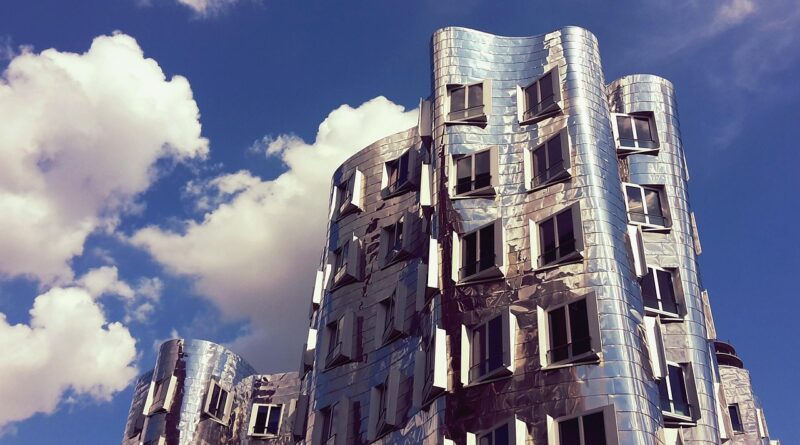
Is a Metal Facade Building the Smartest Choice for Modern Commercial Design?
A metal facade building can give a project clean lines, a tough outer skin, and enough design freedom for many modern commercial jobs. If you are planning a new exterior or checking options for a retrofit, the right building facade choice is not only about the look. It affects heat control, water control, maintenance, site speed, and how the building will look after years of use.
Metal cladding is not one fixed product. It can mean aluminum panels, galvanized steel sheets, stainless steel, zinc, copper, perforated screens, insulated metal panels, or a ventilated rainscreen assembly. The right option depends on climate, budget, building height, fire rules, structural support, and the finish the owner wants people to see from the street.
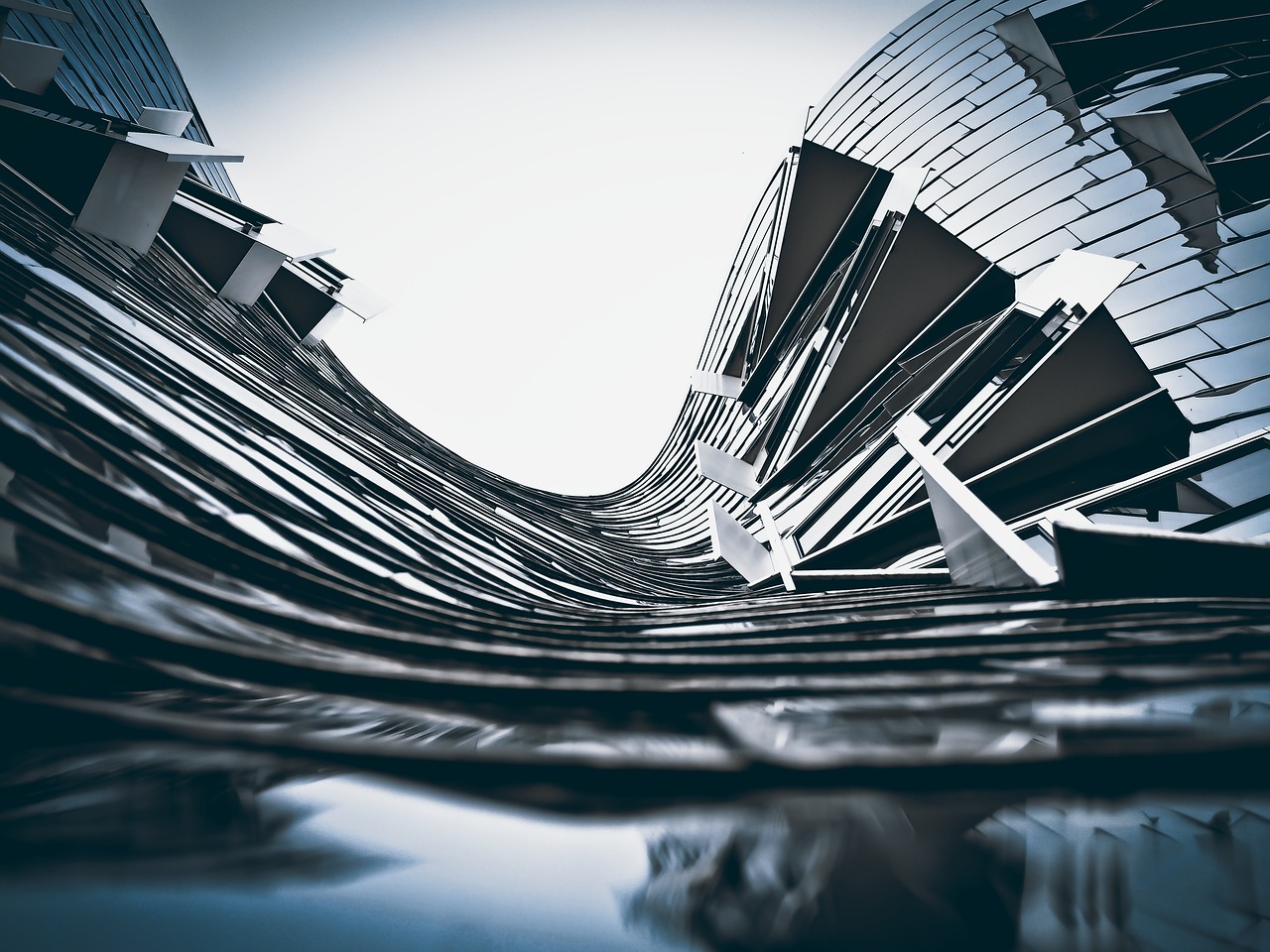
Why Does a Metal Facade Building Work So Well for Modern Projects?
Metal facade systems are used often because they deal with several jobsite needs at the same time. They can form a clean exterior, protect the wall build-up, and cut some site work compared with heavier materials. This matters on office towers, shopping centers, transport buildings, schools, and mixed-use projects where the schedule and the finished appearance both matter.
Durable Weather Protection
A well-built metal facade works as the outside shield against rain and sun. In a rainscreen layout, panels block most rain, while the cavity behind them drains and dries. This is useful on real projects because wind-driven rain usually hits upper floors harder than walls near ground level. The outer panels do not have to be fully watertight on their own, but flashings, joints, air barriers, and cavity drainage still need to work as one system.
Clean Architectural Identity
Metal gives the designer crisp joints, long lines, curved surfaces, perforated patterns, and color choices that are not easy to get with masonry or stucco. A small retail building may use folded aluminum panels around the entrance to make the front easier to notice. A larger headquarters may use anodized aluminum or stainless steel to keep a steady corporate look across the elevation. This is where metal can look high-end, even when the system itself is practical for construction.
Faster On-Site Installation
Many metal facade panels come to site prefinished, cut to size, and ready for fixing. That reduces wet trades and helps crews move floor by floor without waiting for long curing time. On a tight urban site, fewer pallets of heavy material can make daily work easier. Faster installation still depends on early shop drawings, bracket layout, tolerances, and a clear installation sequence.
Which Metal Facade Materials Should You Compare?
Material selection should not begin with color only. You also need to compare weight, stiffness, corrosion behavior, coating choices, panel size, local code limits, and the subframe behind the cladding. A serious facade supplier will ask about wind load, coastal exposure, cleaning access, and fire performance before naming a system.
Aluminum for Light Weight and Formability
Aluminum is common because it is light, easy to form, and suitable for flat, folded, curved, or perforated panels. It is often used for aluminum composite panels, solid aluminum panels, louvers, sunshades, and decorative screens. The Aluminum Association’s 2025 industry material states that around 75% of all aluminum ever produced is still in use today. That does not make every panel green by default, but it explains why scrap value and end-of-life planning should be checked during specification.
Steel for Strength and Flatness
Steel facade panels provide strength, impact resistance, and good flatness when the support is right. Galvanized steel, weathering steel, and stainless steel each give a different look and a different performance level. The World Steel Association reported in its recent sustainability publications that global recovery rates for steel in construction are about 85%. For a project team, the main point is simple: choose fixings, coatings, and separation details that reduce corrosion risk.
Zinc, Copper, and Specialty Metals for Premium Aging
Zinc and copper are often chosen when the project needs a surface that changes slowly with age. Zinc can form a soft gray patina, while copper may move from bright metal to brown and, in some climates, green. These materials need careful detailing at runoff points because stains can show up on nearby stone, concrete, or glass. They are not the lowest-cost options, but they can fit museums, civic buildings, boutique hotels, and high-end residential work.
How Does the Facade Affect Energy and Comfort?
The facade is not just a visual layer. It is part of the building envelope, which controls heat, air, moisture, daylight, and noise. The International Energy Agency’s Energy Efficiency 2025 report states that buildings account for around 30% of global energy demand. In the United States, the Department of Energy notes that the opaque envelope, including walls, roofs, and foundations, affects 28% of building energy use. These numbers are a good reason to discuss exterior wall choices early, before the building shape is fully fixed.
Continuous Insulation Behind the Cladding
Metal conducts heat, so the panel itself should not be treated as insulation. Better performance usually comes from continuous insulation behind the cladding, together with a tested air and water barrier. If the subframe creates too many thermal bridges, the wall may lose more heat than the design team expected. Thermal break pads, sensible bracket spacing, and proper modeling help keep the built wall close to the target value.
Ventilated Cavities and Moisture Control
A ventilated cavity gives trapped moisture a way out. This matters in humid climates, rainy regions, and buildings with high indoor moisture loads. Drainage gaps, weep paths, insect screens, and open-joint design all need attention during detailing. A good-looking panel layout can still fail if water stays behind it after every storm, and many repair jobs start from that small oversight.
Glazing, Shading, and Solar Gain
Metal facades often sit next to curtain wall, storefront glass, or punched windows. The Department of Energy has reported that windows may represent only about 10% of a typical home’s surface area but can account for 30% to 40% of winter heat loss. Commercial buildings are different, but the lesson still applies: facade panels, glazing ratio, shading fins, and orientation should be designed together. A perforated metal screen on the west elevation can reduce glare while keeping the building visually light.
What Details Make Metal Facade Systems Last Longer?
Long service life comes from steady detailing work. The panel may look simple from the outside, but behind it there are brackets, rails, insulation, membranes, fasteners, sealants, flashings, and movement joints. Each part has to match the local climate and the way the building moves. A 20-story tower does not behave like a two-story showroom, even if both projects use the same color panel.
Correct Subframe Alignment
Metal panels show small mistakes quickly. If rails are out of plane, sunlight will reveal waves across the facade. Installers need survey points, adjustable brackets, and clear tolerance limits before panels go up. On renovation jobs, the old wall may be uneven, so the subframe has to correct that condition before the new panels arrive. Skipping this work may look like a saving at first, but replacement panels rarely hide bad alignment.
Safe Drainage and Flashing Paths
Every horizontal break needs a clear water path. Window heads, sill zones, parapets, base details, and balcony edges are common areas where problems start. Flashings should move water out, not push it into the insulation zone. Sealant can support the detail, but it should not be the only line of defense. Buildings move, sealant gets old, and maintenance teams may not find small cracks in time. See also: Building Styles.
Coating Choice for the Local Climate
Powder coating, PVDF coating, anodizing, galvanizing, and natural patina finishes all perform in different ways. Coastal projects need better corrosion resistance because salt can attack edges, fasteners, and cut points. Industrial sites may have chemical exposure, while hot and sunny regions need colorfast finishes with good UV resistance. Before approving a sample board, ask for coating data, warranty terms, and cleaning instructions.
How Should You Judge Cost and Value?
A metal facade building should be judged by installed value, not by panel price alone. The lowest panel price can become expensive if the system needs a difficult subframe, slow installation, heavy maintenance, or early repainting. A mid-range system with clear details and stable supply is often the safer commercial choice.
Installed Cost Beyond Panel Price
Installed cost includes panels, brackets, rails, fasteners, insulation, membranes, trims, access equipment, labor, testing, waste, and possible project delays. Large simple panels may reduce labor, but only when wind load and flatness requirements allow them. Complex folded panels may create a strong design feature, yet they add fabrication time. Compare full wall build-ups, not just one square-foot material line.
Maintenance Access Over the Service Life
Metal facades are often low maintenance, but they are not maintenance-free. Dust, salt, pollution, bird droppings, and runoff stains can shorten the finish life if cleaning is ignored. Buildings near highways or the sea may need washing more often. If the facade has deep fins or perforated screens, cleaning access should be planned from the start. A good-looking design should not depend on risky rope work every few months.
Life Cycle Thinking and Material Recovery
Life cycle value includes repair, replacement, and recovery. Mechanical fixing can make panels easier to remove than bonded systems. Standard panel sizes may reduce waste and make future replacement easier. Public data from the Aluminum Association and World Steel Association shows strong recovery potential for aluminum and steel, but the real result depends on alloy selection, coatings, dismantling methods, and local recycling markets.
When Is Metal Facade Better Than Stone, Concrete, or Wood?
Metal is not the right answer for every building. Stone may fit a civic landmark, concrete can give mass and texture, and wood can bring a warmer look. Metal becomes a strong option when the project needs a light skin, precise geometry, large-format panels, a modern image, or a facade that works well with off-site fabrication.
High-Rise and Large Commercial Work
On tall buildings, weight matters. Lighter cladding can reduce load on the support structure and make installation easier to manage. Metal also works well with repetitive grids, unitized elements, and large elevation areas. For airports, hospitals, business parks, and hotels, the system can keep a consistent look across thousands of square feet.
Renovation with Weight Limits
Retrofit projects often have limited structural capacity. Replacing an old facade with heavy stone may not be practical unless the owner pays for costly reinforcement. Metal panels can update the building while keeping added dead load lower. They also leave room for new insulation outside the old wall, which can improve comfort without reducing interior floor area.
Projects That Need a Sharp Modern Look
If the goal is a sharp edge, a thin reveal, or a clear brand color, metal is hard to beat. It can look calm and minimal, or more technical, depending on panel layout and finish. The key is restraint. Too many colors, joint widths, and panel directions can make even an expensive facade look messy. Good metal facade design often comes down to clean control, not extra decoration.
FAQ
Q1: Is a Metal Facade Building Suitable for Hot Climates? A: Yes, if you use continuous insulation, good air sealing, suitable coatings, and shading where solar gain is high. Light colors and ventilated cavities can also help reduce heat buildup.
Q2: Which Metal Is Best for a Commercial Facade? A: Aluminum is common for lightweight panels and flexible forms. Steel is strong and stable. Zinc, copper, and stainless steel suit premium designs. The best choice depends on budget, climate, fire rules, and the desired finish.
Q3: Does Metal Cladding Rust? A: Some metals can corrode if the coating, fasteners, or drainage details are wrong. Aluminum does not rust like carbon steel, but it can still suffer surface damage. Coastal and industrial sites need extra care.
Q4: Is a Metal Facade More Expensive Than Other Facade Types? A: It can be cheaper or more expensive depending on the panel type, subframe, insulation, finish, and installation method. Compare the full installed wall system, not just the panel price.
Q5: How Long Can a Metal Facade Last? A: Many metal facades can last for decades with the right material, coating, detailing, and maintenance. Service life depends on climate exposure, cleaning, drainage, movement control, and repair access.