
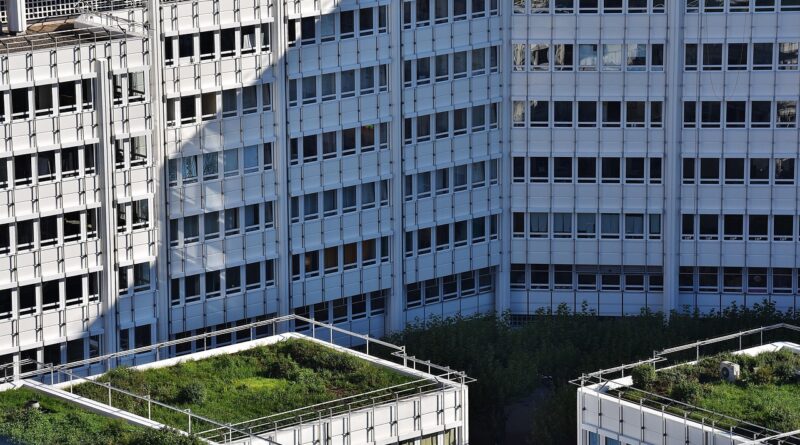
Is a Green Facade Building Worth It for Modern Architecture?
A green facade building is not just a wall with plants fixed to it. It is a facade approach that brings together vegetation, support frames, growing media, irrigation, and maintenance access so the outer skin does more work. If you are comparing facade options for a commercial, residential, hotel, or mixed-use project, this guide can help you see where vertical greenery fits next to glass, metal panels, stone, terracotta, and other building facade systems.
The reason for the interest is not only visual. The UNEP Global Status Report for Buildings and Construction 2023 stated that buildings accounted for 34% of global energy demand and 37% of energy and process-related CO2 emissions in 2022. One facade system cannot fix that whole issue. Even so, a shaded and cooler envelope can be a useful part of a building that feels better in hot weather and puts less heat back into the street.
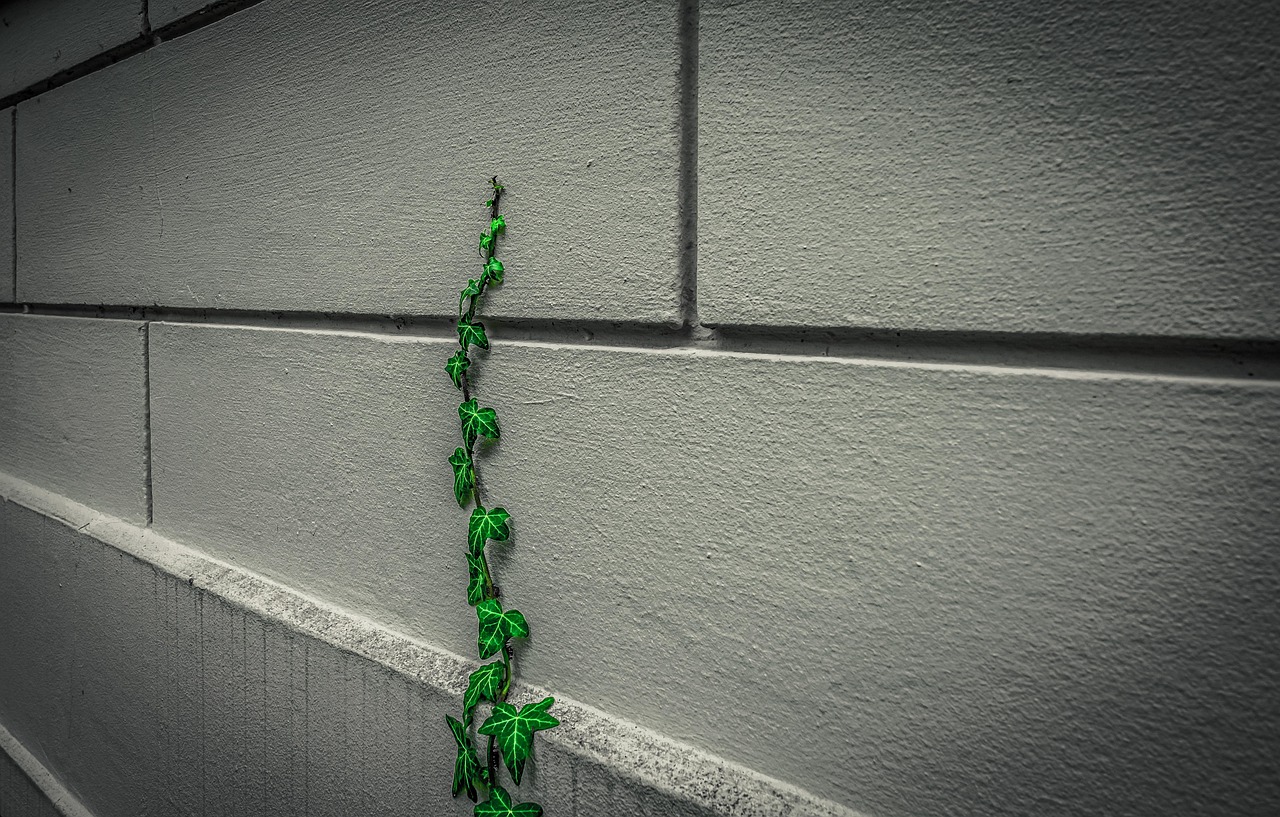
What Makes a Green Facade Building Different?
A green facade works with the envelope rather than sitting on it as decoration after handover. The better projects usually start by checking the wall build-up, sun exposure, wind, irrigation route, and plant growth pattern before the renderings get too polished. That may sound less exciting than a full green concept image, but it avoids many site problems later.
Vegetation as a Working Outer Layer
Leaves shade the wall, reduce direct sun, and cool the air close to the facade through evapotranspiration. In simple terms, plants use water and sunlight while they lower surface heat around the building skin. The U.S. Environmental Protection Agency describes vegetation, green roofs, and similar cooling measures as tools for reducing urban heat island effects. On a west-facing wall in a hot city, that plant layer can change how the sidewalk feels at 4 p.m. This is the time when paving, dark cladding, and stored heat are often most uncomfortable.
Direct and Indirect Green Facade Systems
A direct green facade lets climbing plants attach to the wall surface. An indirect system uses cables, mesh, trellis panels, or a secondary frame, so the plants grow close to the wall without rooting into joints or coatings. For many modern buildings, the indirect option is easier to inspect and better for waterproofing control. It also gives the facade a clear air gap, which helps keep moisture away from the main wall assembly.
Living Walls with Engineered Support
Living walls need more equipment and closer control. They use modular trays, pockets, or panels with growing media and managed irrigation. They can give quick coverage and varied planting patterns, but they also need more care. Pumps, filters, fertilizer dosing, replacement plants, and access routes should be included from day one. If the budget only covers installation and not upkeep, a living wall can look tired in a short time.
How Does a Green Facade Improve Thermal Comfort?
Thermal comfort is one of the main reasons project teams look at green facades. The basic point is clear enough: a cooler wall gives off less radiant heat, and a shaded facade takes in less solar energy. On a mild spring morning, the difference may not stand out. In a dense district during a heat wave, people feel it quickly.
Shading Cuts Solar Heat Gain
Leaves work much like a seasonal brise-soleil. In summer, thicker foliage blocks high solar loads before they hit the wall. In some deciduous systems, leaf drop lets more sun reach the facade during cooler months. A 2021 review in Renewable and Sustainable Energy Reviews reported that published studies found large reductions in exterior wall surface temperature. In some cases, a wall behind an attached green facade was around 30°C cooler than a bare wall on a hot sunny day. That figure depends on the case, but it shows why shaded wall surfaces are worth studying.
Evapotranspiration Cools the Microclimate
Plants release moisture as part of their normal growth process. This helps cool the air close to the leaves and the facade surface. A 2022 systematic review in Renewable and Sustainable Energy Reviews screened 1,325 papers and selected 51 papers covering 647 case studies; it reported that green walls may reduce air temperature in street canyons by up to 8°C in some studied cases. The outcome depends on climate, street width, wind, wall height, water supply, and plant density, so it should be treated as a possible project benefit rather than a fixed promise.
Air Gaps Help Slow Heat Flow
Indirect green facades often create a ventilated cavity between the plants and the wall. This space can slow heat transfer and reduce contact with hot surfaces. It is not a substitute for proper insulation, air sealing, or high-performance glazing. It is better to see it as an outer shade layer that supports the main facade. If the base wall performs poorly, plants will not suddenly make the building efficient.
Can a Green Facade Reduce Building Energy Use?
Yes, but the answer needs to be checked against the project. A green facade can lower cooling loads by shading the envelope and reducing nearby temperatures. The savings can vary by a wide margin. A compact office tower in Singapore, a low-rise hotel in Dubai, and a brick school retrofit in Chicago will not behave the same way. Climate and facade direction matter more than any sales claim.
Climate Shapes the Payback
In hot and humid climates, shading and surface cooling can help cut air-conditioning demand. In cold climates, evergreen planting may block useful winter sun if it is placed without care. In dry climates, irrigation water becomes part of both the running cost and the sustainability discussion. The better question is not “Do green facades save energy?” It is “Which wall, in which climate, with which plant system, saves enough to justify the build-up?”
Orientation Drives Results
East and west facades often need early review because low-angle sun can be strong and harder to control with horizontal overhangs. South facades in the Northern Hemisphere can also benefit, but the team may need daylight studies so indoor areas do not become too dim. North walls may still use greenery for identity, biodiversity, or acoustic softness, yet the thermal case is usually weaker.
Simulation Should Come before Procurement
Before buying trays, cables, or irrigation equipment, ask for facade modeling. A useful study compares bare wall, standard shading, and green facade options under local weather files. It should include plant coverage assumptions, water use, maintenance access, and likely seasonal change. This gives the owner a clearer view of cost and performance before orders are placed. If a supplier gives one energy-saving percentage for every project, treat that as a warning sign.
What Should You Check before Choosing a Green Facade?
The best green facade concepts are usually practical from the start. They answer questions about load, water, drainage, fire, wind, access, and replacement before the planting image takes over. The leaves come after those items are under control. That order makes the facade easier to build and easier to maintain over ten or twenty years.
Structural Load and Wind Exposure
Plants are light when they are young, then they become heavier as stems, wet soil, and support frames grow together. Living wall modules add more dead load than simple climber systems. Wind also pulls on leaves, mesh, cables, and planters. On taller buildings, the structural engineer should check permanent loads and peak wind conditions. A loose trellis is not a small matter when it is installed above a sidewalk.
Water, Drainage, and Access
Irrigation must be simple to monitor. Drip lines clog, filters need cleaning, sensors fail, and planters can overflow if drains are not set properly. Good detailing gives water a safe route away from the main wall, windows, slab edges, and entrances. Maintenance crews also need anchor points, catwalks, balcony access, or lift access. If nobody can reach the plants, the facade is already heading for trouble. See also: Building Styles.
Fire, Pests, and Local Codes
Green facades need fire-aware design from the start. Dead plant material, dry growing media, plastic trays, and hidden cavities can add risk if they are ignored. Local rules vary, and some jurisdictions treat vertical greenery differently depending on height, occupancy, and wall assembly. Pest control also needs attention. Birds, insects, and small animals are not always a problem, but neglected planting can bring them into areas where they should not be.
Which Plants and Systems Work Best for Facades?
Plant choice should follow the building conditions, not the other way around. A species that grows well on a shaded courtyard wall may fail on a windy west elevation. A clean design board can hide that problem during early review. It is safer to ask for local horticultural advice before signing off the facade package.
Climbers for Simple Long-Life Coverage
Climbing plants can be a good option for projects with a tighter budget. They need time to grow, but they often use less equipment than modular living walls. Common approaches include stainless steel cables, galvanized mesh, and planter beds at grade or balcony level. The root zone is easier to inspect, and replacement is less complicated. The trade-off is time, as a climber facade may need three to five growing seasons before it looks full.
Modular Living Walls for Fast Visual Impact
Modular living walls fit hotels, retail podiums, lobbies, and signature facades where quick coverage matters. They allow dense patterns and mixed plant palettes. They also bring more parts into the wall system. Pumps, tanks, controls, growing media, and drainage trays all need space. If the project has a capable facilities team, this can work well. If not, a simpler green screen may age with fewer problems.
Native and Drought-Tolerant Species
Native or climate-adapted plants usually need less water and fewer chemical inputs once they are established. They can also support local pollinators. This does not mean every facade has to look rough or wild. Many native planting schemes can look clean and architectural when they are paired with tidy frames and planned pruning. In dry regions, drought-tolerant species may be the difference between a solid green facade and an expensive irrigation feature.
When Is a Green Facade Not the Best Choice?
A green facade is not always the right answer. In some cases, a fixed shading system, high-performance cladding, exterior louvers, or better glazing gives a clearer result with less maintenance. The honest design move is to compare the options. Greenery should not be forced onto every wall just because it looks good in a rendering.
Deep Shade Can Limit Plant Health
Some narrow streets and inner courtyards do not give plants enough light. You may still build a green wall with shade-tolerant species and extra support, but the cost and risk go up. If plant health depends on constant replacement, the system is not truly sustainable. It becomes a maintenance cycle with leaves on it.
Poor Maintenance Turns Benefits into Risk
Green facades are living systems, so they need regular care. The work usually includes pruning, irrigation checks, seasonal feeding, dead leaf removal, and plant replacement. A neglected facade can block windows, stain walls, overload supports, or lose its cooling value. The maintenance plan should list tasks, frequency, access method, responsible party, and annual budget. Without that information, the drawing is not complete.
High-Performance Glazing May Need Clear Views
Buildings with premium views, retail display frontage, or daylight-led interiors may not want dense greenery across every bay. In those projects, partial planting often works better. Use vertical greenery on blank walls, service zones, stair cores, parking podiums, or sun-heavy edges. Keep the main view corridors open. The result usually feels more balanced, and tenants tend to accept it faster.
FAQ
Q1: What Is a Green Facade Building? A: It is a building that uses vegetation as part of the exterior facade strategy. The plants may grow on cables, mesh, trellis frames, modular panels, or living wall systems.
Q2: Does a Green Facade Really Cool a Building? A: It can cool exterior surfaces and nearby air, especially on sunny walls. Published reviews report strong cooling in some cases, but results depend on climate, orientation, plant density, and water management.
Q3: Is a Green Facade Better than a Normal Cladding System? A: Not always. It is better when the project needs shading, softer street edges, biodiversity value, and a clear green identity. Standard cladding may suit low-maintenance walls or tight budgets better.
Q4: How Much Maintenance Does a Green Facade Need? A: Simple climber systems may need seasonal pruning and irrigation checks. Modular living walls need more frequent care, including pump checks, feeding, plant replacement, and drainage inspection.
Q5: What Is the Biggest Mistake in Green Facade Design? A: The biggest mistake is treating plants as decoration after the facade has already been designed. Structure, water, access, fire safety, and plant selection should be planned at the start.