
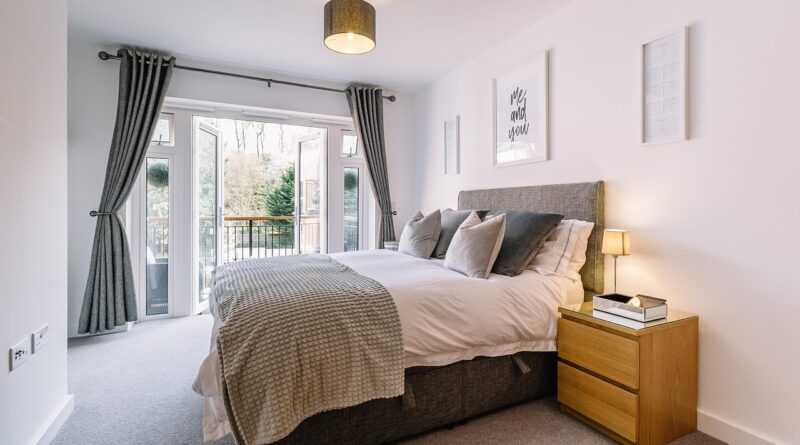
What Is the Best Over the Bed Decor for a Calm Bedroom?
What Should Over the Bed Decor Do for Your Room?
Over the bed decor is not only something used to fill an empty wall. It affects what you see first when you enter the room, and it can make a simple headboard look more planned. If you are browsing more bedroom ideas in Furniture & Decor, start with a plain rule: the wall above your bed should look complete, feel calm, and stay safe from the pillow line upward.
No reliable public dataset proves that one type of above-bed decor is best for every home. Bedroom size, headboard style, windows, and daily habits vary too much. Still, public home and sleep research gives some useful direction. The National Association of REALTORS 2025 Profile of Home Staging reported that 83% of buyers’ agents said staging made it easier for buyers to picture a property as a future home, and the primary bedroom was one of the most commonly staged rooms at 83%. Source: National Association of REALTORS, 2025 Profile of Home Staging. That does not mean your bedroom should look like a showroom. It means the primary bedroom carries real visual weight, especially when the bed wall is the first thing seen from the doorway.
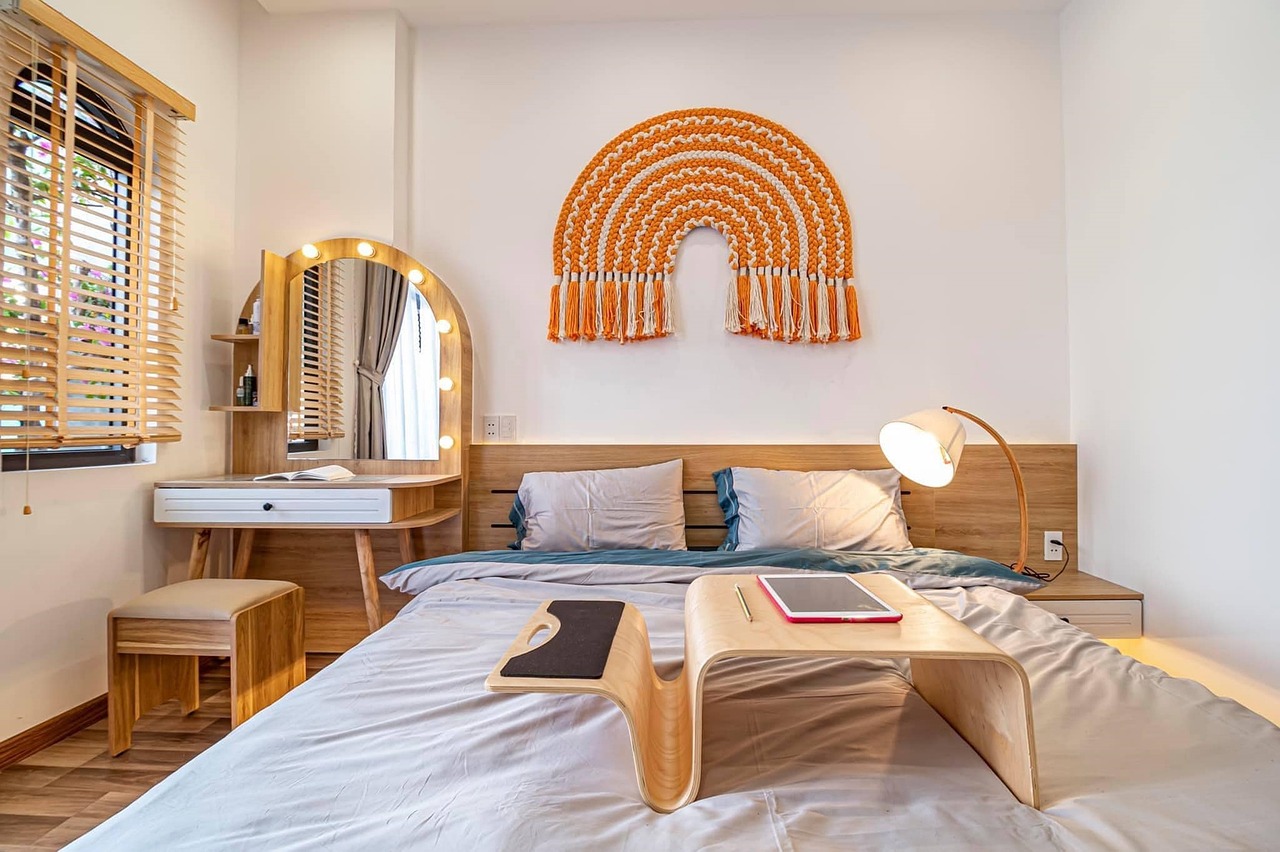
A Finished Focal Wall
The bed is usually the largest item in the bedroom, so the wall above it becomes the natural focal point. A single large artwork, a pair of framed prints, a textile panel, or a shallow picture ledge can turn that blank area into a clear center. Without it, the bed may look pushed against a wall instead of planned into the room.
Safer Visual Weight
Above-bed decor should look steady, not risky. Heavy mirrors, bulky shelves, and deep sculptural objects can feel uncomfortable when they sit over a pillow. Even with good installation, they may make the room feel less restful. Lighter wall art, soft fiber pieces, and slim frames usually give the wall shape without the feeling that something heavy is hanging over your head.
A Better Sleep Backdrop
The Sleep Foundation notes that visual design, lighting, sound, and clutter all affect the bedroom setting, and it recommends softer, appealing colors and less clutter for a calmer sleep space. Source: Sleep Foundation, How to Design the Ideal Bedroom for Sleep, updated November 8, 2023. Your over-bed wall is part of that setting, not a separate decoration zone. A bright neon sign may look fun during the day, but late at night it can feel like a small billboard above the bed.
How High Should You Hang Decor above the Bed?
Height is where many good decor ideas start to look wrong. Hang the piece too high and it feels disconnected from the bed. Hang it too low and it fights with pillows, or it gets knocked by someone sitting up with coffee on a slow Sunday morning. A better layout starts with the headboard, the ceiling height, and the way the bed is actually used.
The 8 to 10 Inch Starting Point
A common interior styling guideline is to leave about 8 to 10 inches between the top of the headboard and the bottom of the artwork. This is not a fixed rule, but it works in many rooms because it links the decor to the bed. With a very tall upholstered headboard, you may need a little more space. With no headboard, use the pillow line as your rough visual base, then lift the art enough so it will not be touched.
- Leave more space if you stack tall pillows every day.
- Hang lower when the ceiling is low and the piece is light.
- Use painter’s tape first, because nail holes have a way of multiplying.
The Two Thirds Width Rule
For a clean look, the decor should often measure about two thirds of the bed width. Over a queen bed, which is 60 inches wide, a 40 inch wide art piece often feels right. A king bed can take a wider piece or a set of three prints. If you choose two frames, treat the full outside width as one composition, including the gap between them.
Headboard Height and Real Reach
A low platform bed needs a different wall plan than a tall wingback headboard. Sit in bed before drilling. If your head, hand, or stacked pillow could hit the frame, move it higher or choose something softer. For kids’ rooms, rental apartments, and homes in earthquake-prone areas, lightweight decor is the safer choice and usually easier to install.
Which Decor Types Work Best over the Bed?
The best piece depends on the room style and how the room is used. Some people want a quiet hotel feel. Others want family photos, travel sketches, or vintage finds that make the bedroom feel used in a good way. The main point is simple: choose decor that looks good from the doorway and still feels gentle when you are lying under it.
Framed Art and Triptychs
Framed art is the most flexible choice for over the bed decor. A landscape can make the room feel wider, an abstract print can add color without too much visual noise, and a triptych can fill a large wall without using one huge frame. If the bedding is patterned, keep the artwork calmer. If the bedding is plain, the art can carry more movement. This trade-off sounds basic, but it prevents many bedrooms from looking overdone.
Textile Panels and Soft Wall Pieces
Textiles work well above a bed because they add texture without sharp edges. A woven panel, fabric wall hanging, or quilted piece can soften a modern room and make a guest bedroom feel warmer. These pieces also suit renters because many can hang from a simple rod or lightweight hardware. Choose a textile wider than the headboard if you want a relaxed, boutique-hotel effect.
Ledges, Shelves, and Small Objects
A slim ledge can hold layered frames, a tiny ceramic piece, or a small trailing plant. Keep it shallow and fix it securely to the wall. Avoid anything that needs constant dusting or could fall if someone bumps the wall. A shelf over the bed should look edited, not packed. Three to five items are usually enough, because bedrooms are not great places for a museum shelf unless cleaning is somehow your hobby.
Can Mirrors, Wallpaper, or Lighting Go above a Bed?
Yes, but these choices need more care than simple art. Mirrors add reflection, wallpaper adds pattern, and lighting changes the room at night. Each one can work above a bed when the scale is right and the finish does not fight the main job of the bedroom, which is rest.
Mirrors with Careful Placement
A mirror above a bed can reflect daylight and make a small room feel larger. It can also reflect clutter, ceiling fans, or a hallway view you do not want to see twice. If you use a mirror, choose a lighter frame and mount it with proper wall anchors. Round or arched mirrors usually feel softer than sharp rectangular ones, especially over a squared headboard.
Wallpaper as Built In Decor
Wallpaper can turn the whole bed wall into decor, so you may not need much else. The 2025 U.S. Houzz Fall Design Trends Report, based on interviews with nearly 50 home design professionals, noted renewed interest in wallpaper, including use on ceilings and as a way to add character to architectural details. Source: Houzz, 2025 U.S. Fall Design Trends Report. In a bedroom, a botanical, grasscloth, or small geometric pattern can work as a headboard backdrop. If the pattern is bold, keep frames simple or skip them.
Wall Lights That Stay Calm
Sconces can frame the bed and free up nightstand space. For sleep, keep the light warm, dimmable, and aimed away from your eyes. The IKEA U.S. and National Sleep Foundation Sleep Matters report, shared on IKEA’s newsroom page dated January 9, 2025, surveyed 2,069 U.S. adults and found that cool temperatures, mattress comfort, and dark rooms were rated among the most important factors for a good night’s sleep, at 23%, 20%, and 18% respectively. Source: IKEA U.S. and National Sleep Foundation, Sleep Matters report. That is a useful reminder for bedroom planning: decor lighting should help the room settle down, not light it like a dressing room. See also: Building Styles.
How Can You Match Over Bed Decor to Bedroom Style?
Style matching does not mean every finish must be the same. In many rooms, the result is better when one material breaks the pattern. A black metal frame above a wood bed, a linen textile above a lacquered headboard, or a pale print above dark walls can make the bed area feel layered without making it messy.
Modern Rooms Need Fewer Pieces
Modern bedrooms usually look best with one clear choice. Try a large canvas, a long horizontal print, or two matching panels. Keep the color palette tight: cream, black, walnut, sand, olive, or muted rust. If the room already has a platform bed, simple bedding, and clean nightstands, one larger artwork can finish the wall without adding clutter.
Traditional Rooms Like Symmetry
A traditional bedroom can handle pairs: two framed botanicals, two sconces, two small mirrors, or a centered artwork with matching lamps. The symmetry makes the bed feel grounded. If the headboard has curves, repeat that line with arched frames or softer art. If the furniture is ornate, choose calmer art so the room does not feel busy from every angle.
Small Rooms Need Airy Lines
Small bedrooms benefit from lighter frames, pale backgrounds, and decor that does not project far from the wall. A narrow ledge, two slim prints, or a tonal textile can add personality without crowding the room. Avoid a huge dark object over a small bed unless the rest of the room is very quiet. It can make the bed wall feel heavy, as if the room is leaning forward.
What Mistakes Make above Bed Decor Look Wrong?
Most mistakes are not about taste. They usually come from scale, placement, and copying a photo without checking the real bedroom. A tall ceiling, a hotel-size headboard, and wide professional lighting can make a setup look easy online. In a normal 11 by 12 foot room, the same arrangement may feel crowded.
Pieces Hung Too High
When decor sits too high, your eye reads it as separate from the bed. The wall feels split into two parts: furniture below and a random object above. Use paper templates or painter’s tape before hanging. Step back to the doorway, then look again from the side of the bed. The right height should feel connected from both views.
Decor That Feels Heavy or Unsafe
Do not place fragile ceramics, thick glass, or deep shelves above the pillow zone. If you like sculptural decor, put it above a dresser instead. The bed wall works best with flatter pieces. Good hardware matters as much as the decor itself. Use wall anchors that suit the wall type, and never rely on a tiny nail for a large frame. Safety is not glamorous, but neither is waking up to a crooked mirror.
Busy Styling Near Sleep Time
Too many frames, colors, lights, and objects can make the bed wall feel restless. The Sleep Foundation also notes that clutter can create stress and make it harder to relax. Source: Sleep Foundation, How to Design the Ideal Bedroom for Sleep. Keep the area above the bed simpler than a living room gallery wall. A bedroom can have character and still feel quiet when it is time to sleep.
FAQ
Q1: What Is the Safest Over the Bed Decor? A: Lightweight framed art, textile wall hangings, and flat panels are usually safer than heavy mirrors or deep shelves. Always use hardware suited to your wall type.
Q2: Should Over the Bed Decor Be Wider than the Bed? A: It usually should not be wider than the bed. A good starting point is about two thirds of the bed width, though wide headboards can handle larger compositions.
Q3: Can You Hang Family Photos above the Bed? A: Yes. Use matching frames or a simple grid so the area feels calm. For a softer bedroom mood, choose fewer larger photos instead of many tiny frames.
Q4: Is a Mirror above the Bed a Good Idea? A: It can work in a small or dark room, but placement matters. Make sure it is securely mounted and does not reflect clutter, harsh light, or a busy doorway.
Q5: What Should You Put above a Bed with No Headboard? A: Try a large textile, a horizontal artwork, wallpaper, or a shallow ledge. These choices create a visual headboard effect without adding bulky furniture.