
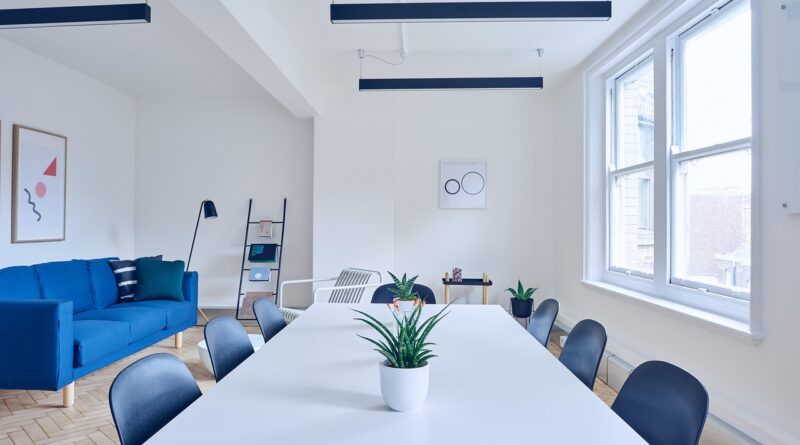
How Can Furniture Decor and More Make Your Home Feel Finished?
What Should Furniture Decor and More Do for a Modern Home?
A room does not come together because of one sofa or one lamp. It works when furniture decor and more support the way people live, with seating, storage, light, and small details in the right places. If you are planning a refresh, the Furniture & Decor section is a useful place to start, especially when you want ideas that connect architecture, interiors, and everyday household needs.
A Clear Role for Every Piece
Before choosing a style, give each item a job. A console can hold keys, hide chargers, and frame a mirror. A sideboard can store dinnerware and help a dining room feel complete. When each piece earns its space, the room feels calmer because nothing looks random.
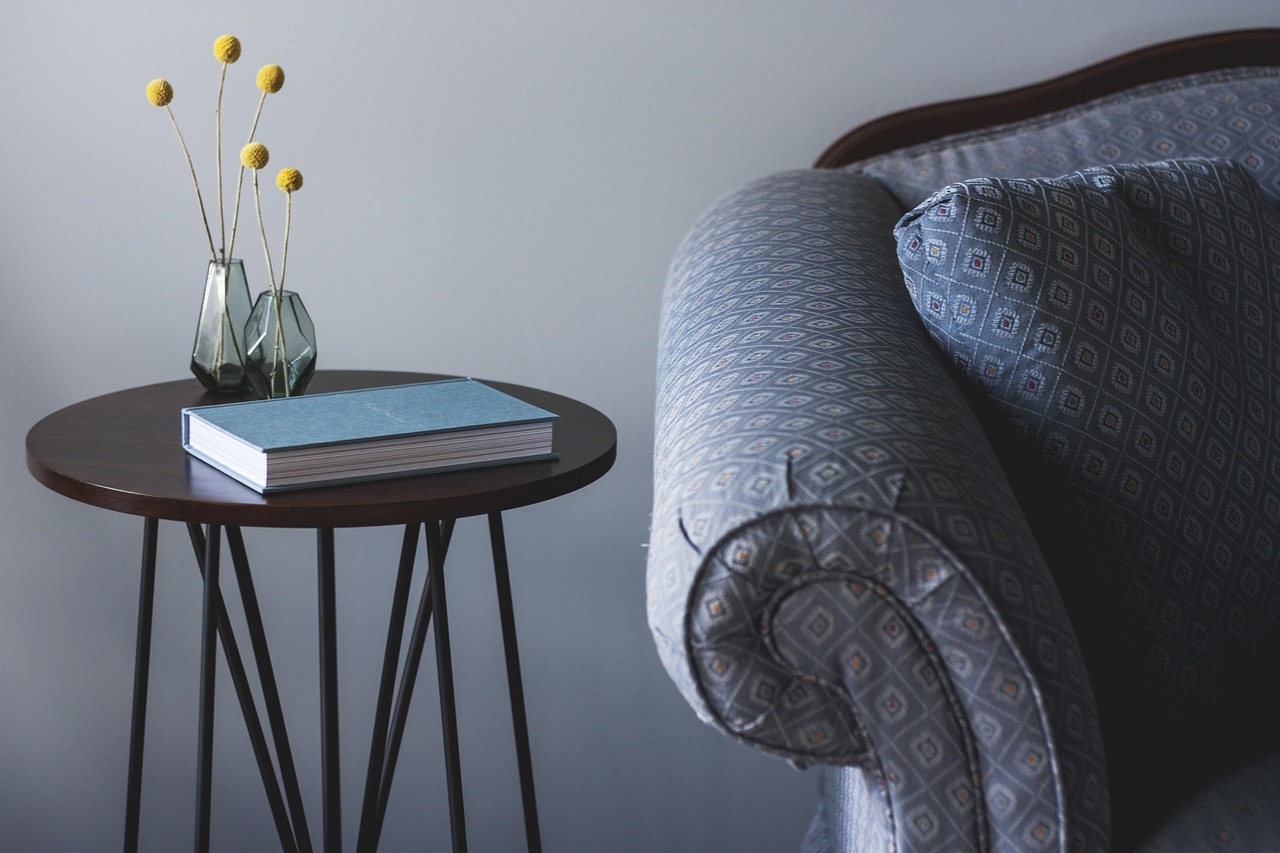
A Room Plan Built Around Daily Habits
Think about what happens in the room on a normal Tuesday night, not only when guests come over. If shoes collect near the entry, a bench and a closed basket will do more work than a decorative chair. If the living room also works as a laptop spot, a C-table may be more useful than another accent pillow.
A Mix of Comfort, Storage, and Style
A good-looking room with nowhere to put blankets, remotes, books, or pet toys will look messy by the end of the week. The better plan balances soft seating, easy-to-reach surfaces, and storage, then adds enough detail to make the space feel personal. It is a simple approach, but in home projects, simple is often what holds up.
How Do You Choose Furniture That Fits the Room?
Scale is the part of design people often notice only after something goes wrong. A piece can be well made and still feel wrong if it blocks a walkway or sits too far from the rest of the room. The U.S. Census Bureau reported that the median floor area of a new single-family home completed in 2025 was 2,142 square feet. That number sounds large, but it is split across rooms, doors, closets, and circulation space. The practical point is simple: measure first, then fall in love. (census.gov)
Scale Before Style
Measure the room, then measure the largest pieces you plan to buy. A sofa should not take over the wall, and a coffee table should be close enough to use from the seat. Leave enough knee room so people can move without turning sideways. In smaller homes, slim arms, raised legs, and lighter finishes can help the room feel less crowded.
Traffic Paths That Stay Open
People should be able to move through a room without dodging furniture corners. Keep the main paths open, especially between the entry, seating, kitchen, and patio doors. A floor plan is better than guessing from a product photo. Tape the outline of large pieces on the floor for one evening. It may look odd, but it shows problems before money is spent.
Multi-Use Pieces for Real Life
Ottomans with trays, nesting tables, storage beds, and extendable dining tables make a home easier to use. These pieces are not only for small apartments. Larger houses also benefit from furniture that can shift when guests arrive, kids spread homework, or a reading corner needs to become extra seating.
Which Decor Details Make a Room Feel Designed?
Decor helps a room feel planned. It gives the eye a path to follow and helps separate one zone from another. The answer is not always to buy more objects. It is usually better to repeat color, texture, shape, or material in a few places, with enough variation so the room feels lived in rather than staged.
Layered Lighting With a Warm Glow
One ceiling light rarely does the whole job. Mix ambient light, task light, and accent light so the room works at different times of day. A reading chair needs a lamp near shoulder height. A dining room may need dimmable overhead light. Shelves often look better with a soft glow, especially in winter when daylight fades early.
Texture, Color, and Repeated Materials
A neutral room can still feel finished when it has linen, wood grain, ceramic, wool, and a little metal. A colorful room feels steadier when one shade appears in three places. Try a blue throw, a blue detail in the art, and a blue book spine. Small links like these make the room feel connected without forcing everything to match.
Art, Rugs, and Objects With Breathing Room
Rugs help hold seating groups together, art sets the mood, and objects show who lives in the home. Give these pieces enough space around them. A crowded shelf can make good items look cheap. A few larger pieces often work better than many small things competing for attention.
How Can Materials Affect Comfort, Care, and Air Quality?
Materials are not just about appearance. They affect touch, cleaning, durability, and the air people breathe indoors. The U.S. Environmental Protection Agency notes that Americans spend about 90 percent of their time indoors and that some indoor pollutant levels can be two to five times higher than typical outdoor levels. This does not mean every product is a problem, but it does mean finishes, adhesives, ventilation, and cleaning habits deserve attention. (19january2021snapshot.epa.gov)
Durable Fabrics for High-Touch Zones
Busy rooms need textiles that can take normal use. Performance fabrics, tight weaves, washable slipcovers, and darker mixed yarns can hide daily wear better than pale, flat fabric. If pets sleep on the sofa, test the fabric with a lint roller and a fingernail. That small check can prevent a hard return later.
Low-Emission Choices for Healthier Interiors
Look for low-VOC paints, certified wood products, and rugs or upholstery with clear material information. New furniture can have a strong smell from finishes, foams, or packaging. Air pieces out when possible, keep rooms ventilated, and try not to fill a whole home with many new products on the same day.
Easy-Care Surfaces for Busy Homes
Stone, wood, laminate, lacquer, and metal all wear in different ways. A marble coffee table can look good, but acidic drinks may leave marks. Oak hides small dents better than very glossy finishes. Choose care routines you will actually follow, because a home should not feel like a museum with a mortgage.
What Does the Data Say About Spending and Value?
Furniture and decor budgets are personal, but public spending data gives a useful reference point. The U.S. Bureau of Labor Statistics reported average annual household expenditures of $78,535 in 2024, while household furnishings and equipment averaged $2,414. That does not mean every household should spend that amount. It shows that furniture, appliances, textiles, and home equipment are a real budget category, so planning usually works better than impulse buying. (bls.gov)
Furnishing Budgets Need Priorities
Put more money into pieces that carry weight, get touched daily, or are hard to replace. Sofas, mattresses, dining chairs, and storage pieces usually need more care in the budget than trendy vases. Save on items that can change with the season, such as pillow covers, small lamps, trays, and prints. See also: Building Styles.
Renovation Spending Shapes Decor Decisions
Houzz reported in its 2024 U.S. Houzz & Home Study that median renovation spending rose 60 percent from $15,000 in 2020 to $24,000 in 2023. When renovation costs rise, decor choices should work with fixed finishes that are already installed. A rug, sofa, and pendant light should support the floor, cabinets, and wall color already paid for. (houzz.com)
Small Interior Updates Can Carry Real Appeal
The National Association of Realtors reported in 2025 that Realtors most often recommended painting the entire home before listing, at 50 percent, followed by painting one interior room at 41 percent. The same report noted rising buyer demand for kitchen upgrades and bathroom renovation. For decor, the lesson is practical: color, clean surfaces, lighting, and movable furniture can support resale appeal without turning every choice into a full remodel. (nar.realtor)
How Should You Shop for Furniture Decor and More Online?
Online shopping gives buyers more choice, but it removes touch, scale, and true color from the decision. A product photo can hide a low seat, shiny fabric, or a table that looks fine online but does not fit through a narrow hallway. Slow down before checkout, especially on large pieces.
Measurements Before the Cart
Check width, depth, height, seat height, leg clearance, and door clearance before adding a large item to the cart. For tall buildings or older homes, measure elevators and stair turns as well. A sofa that cannot enter the room is not a design issue. It is a costly logistics issue.
Samples Before Big Commitments
Order fabric swatches, wood samples, paint cards, and rug samples when they are available. View them in morning light and again at night under lamps. Colors often shift more than expected. Warm white walls can make a gray fabric look green, and glossy finishes can throw light in odd ways.
Delivery, Assembly, and Return Checks
Read the parts most people skip. Delivery fees, return windows, restocking charges, assembly needs, and packaging rules can change the final cost. Before buying a major piece, check these basics:
- Room and doorway measurements
- Material details and care instructions
- Delivery method and estimated lead time
- Return policy for opened or assembled items
- Reviews that mention comfort, color, and wear
How Can You Pull Everything Together Without Overdecorating?
A finished room does not need every surface covered. Most rooms look better after one final edit. You want contrast, layers, and personality, but the eye also needs a place to rest. That open space helps the better pieces stand out.
The One-Room-at-a-Time Method
Finish one room enough to live in it before spreading the budget across five half-done spaces. Start with layout, then major furniture, then rugs and lighting, then art and smaller decor. This order keeps the room from becoming a group of nice objects with no working plan.
Negative Space as a Design Tool
Empty space is not wasted space. A blank wall near art can make the art feel stronger. A clear tabletop can make one bowl or lamp feel intentional. If the room feels tight, remove three small items before adding anything new. Most of the time, the space will feel better right away.
A Final Edit Before You Buy More
Take quick phone photos from each doorway. Photos flatten a room and make clutter easier to see. Look for repeated colors, awkward gaps, weak lighting, and pieces that feel too small. Then buy only what solves a real issue. That last check helps keep the home stylish and easy to live in.
FAQ
Q1: How Much Should You Spend on Furniture Decor and More? A: Set the budget by how the room is used. Spend more on daily comfort pieces like sofas, beds, dining chairs, and storage. Spend less on seasonal decor, small accessories, and items you may replace within a year.
Q2: What Is the Fastest Way To Make a Room Feel Finished? A: Add a properly sized rug, layered lighting, and one strong focal point. Then repeat one color or material three times. This gives the room a clear rhythm without making it feel overdone.
Q3: Should Furniture Match Throughout the Whole Home? A: It should relate, not match. Repeat a few materials, tones, or shapes from room to room, but let each space have its own mood. Matching sets can look flat when every piece has the same finish.
Q4: What Decor Items Are Worth Buying First? A: Start with lighting, rugs, window treatments, and storage baskets or cabinets. These pieces change how the room works every day. Small objects are easier to add later once the main layers feel right.
Q5: How Do You Avoid Buying Too Much Decor? A: Shop with measurements, photos, and a short list. If an item does not solve a problem, repeat a material, improve comfort, or add meaning, leave it for now. A room can grow slowly.