
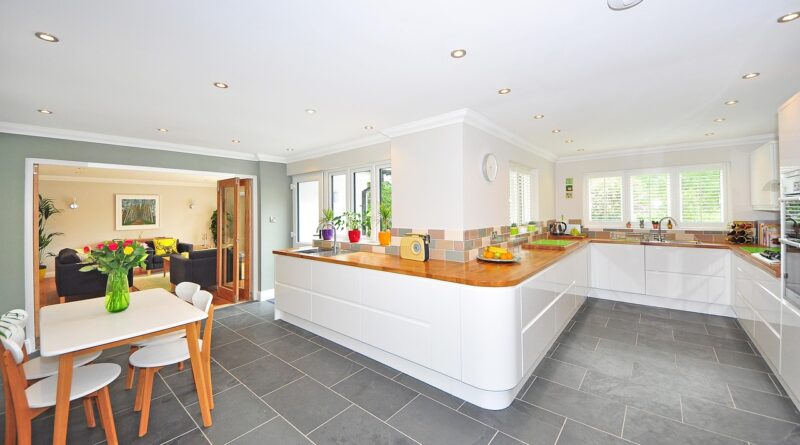
How Can a Contemporary Home Interior Feel Warm, Functional, and Timeless?
Why Does Contemporary Home Interior Matter Right Now?
A contemporary home interior is not just a white sofa, a glass coffee table, and a few black details. In a real home, it has to support daily use: cooking after work, having friends over, charging phones, keeping clutter out of sight, and finding a quiet spot when the house gets busy. For more ideas across residential spaces, explore the Home & Interior section at Archithaus.
Good contemporary rooms may look simple, but they still need to work hard. They need open space, proper storage, clean lines, warm texture, useful lighting, and a level of comfort that makes people want to stay. A room should not feel like a showroom where nobody wants to touch anything. It should make normal routines easier.
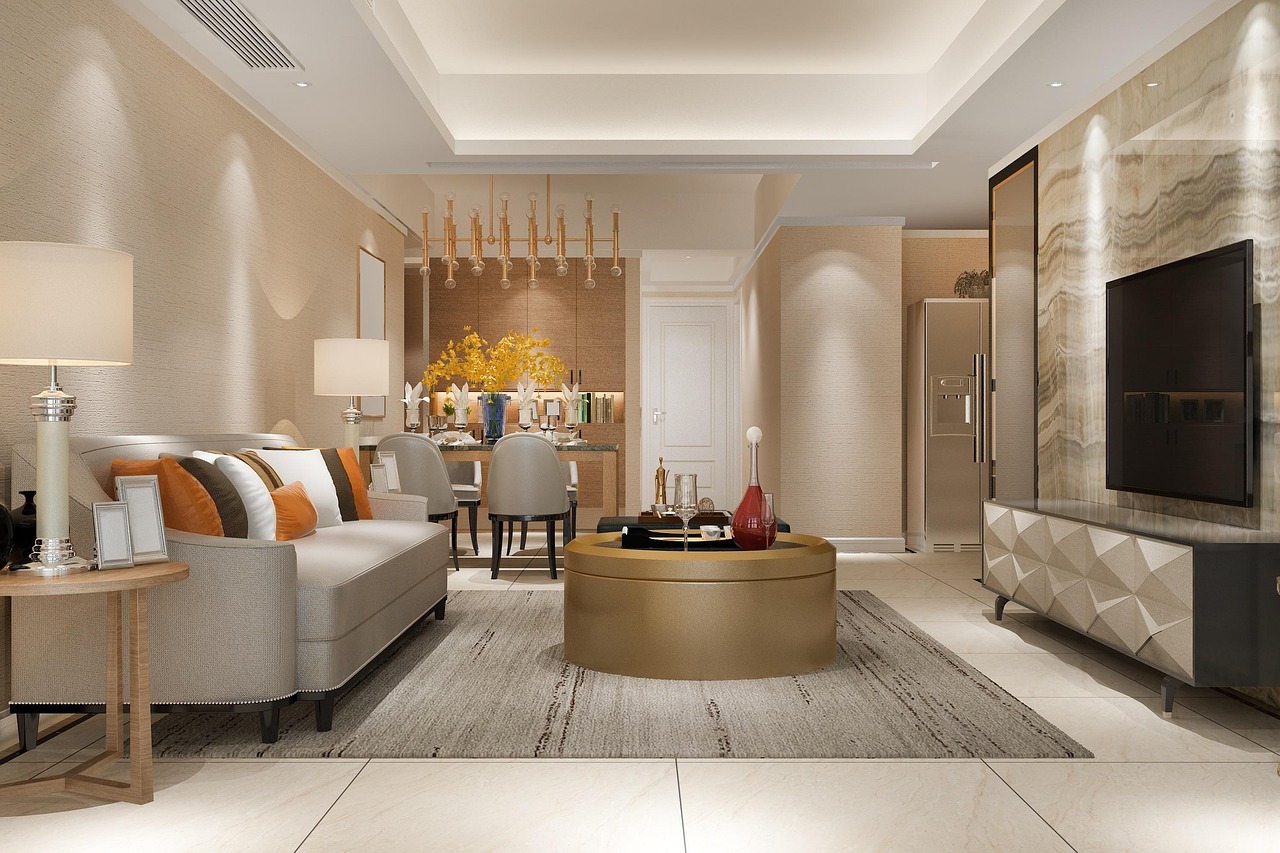
Flexible Living Over Formal Rooms
Contemporary design works better when rooms can change use during the day. A dining table may handle breakfast at 7 a.m., laptop work at 11 a.m., homework at 5 p.m., and dinner later. For that to work, furniture has to be the right size, outlets need to be in sensible places, and walking routes should not be blocked. These small planning choices matter more than most people expect.
Warm Minimalism Over Cold Showrooms
Minimalism still has a place, but the warmer version is easier to live with. Oak, walnut, linen, wool, clay, matte stone, and soft white walls can keep a room calm without making it feel empty. These materials add touch and depth while keeping the space clean. One handmade ceramic bowl with a small flaw can add more life than several shiny accessories.
Long-Term Value Over Fast Trends
Contemporary interiors usually age better when the large choices stay quiet. Floors, cabinets, doors, and built-ins should last longer than a short color trend. Pillows, art, and side tables are easier to change later. Replacing a full wall of trendy tile is a bigger job, and most homeowners do not enjoy doing it twice.
How Should You Plan the Layout Before Choosing Finishes?
Layout should come before paint, tile, and furniture. If the sofa blocks a door swing or the kitchen island leaves no room to pass, even an expensive finish will not fix the problem. A practical plan starts with how people move, what they do each day, and where storage is really needed.
Clear Circulation Paths
Leave enough walking space around furniture, especially in open living areas. In many homes, 36 inches works well for main paths, while tighter spots may need at least 30 inches. Around a kitchen island, 42 inches often feels better when two people cook at the same time. These measurements can be the difference between a room that feels easy and one that feels annoying.
Zoned Open Spaces
Open plans still work, but each zone needs a clear job. A rug can hold the living area together, pendant lights can mark the dining table, and a low console can separate the entry from the lounge. This keeps the room open without turning it into one large box. It also helps people understand how to use the space as soon as they walk in.
Storage Near Daily Habits
Put storage close to the place where mess begins. Shoes need a bench or cabinet near the door, and small appliances need a pantry cabinet near the kitchen counter. Remote controls, blankets, and chargers should sit near the sofa, not in a closet across the house. Houzz Research reported in January 2026 that 76% of renovating U.S. homeowners incorporated built-in kitchen features, with pantry cabinets leading at 47%, based on a survey of 1,780 homeowners. (houzz.com)
Which Colors and Materials Make Contemporary Interiors Feel Human?
Color and material set the tone before the furniture arrives. Contemporary spaces often use fewer colors, but that does not mean every room has to be gray. A useful palette has layers: light walls, warm wood, dark metal, soft textiles, and one or two deeper accents. The goal is a room that feels calm but not flat.
Warm Neutrals and Grounded Accents
Start with warm white, stone, sand, taupe, mushroom, or soft greige. Then bring in contrast with charcoal, deep brown, olive, rust, or muted blue. This keeps the room calm and still gives the eye a place to rest. Pure black can look good, but it works best in small amounts.
Natural Textures With Simple Lines
Flat cabinet fronts, slim profiles, and quiet trim give a contemporary room its clean shape. Natural texture keeps those simple lines from feeling plain. A pale oak cabinet, honed limestone counter, linen curtain, or ribbed glass panel can add depth without adding visual clutter. Even a small powder room can feel better with one surface that has real texture.
Durable Surfaces That Age Well
Choose materials by looking at how the room is used every day. A busy family kitchen may need quartz, porcelain, or sealed natural stone, while a quiet reading corner can take softer wood and fabric. In 2024, NAHB reported that buyers wanted smaller homes than 20 years earlier, around 2,070 square feet compared with 2,260, and listed practical features such as laundry rooms, patios, garage storage, hardwood flooring, and walk-in pantries among top preferences. (nahb.org)
How Can Lighting Change the Whole Home?
Lighting is one area where many contemporary interiors either work well or feel wrong. A room with only ceiling cans can feel hard and flat. A room with layered lighting feels more flexible, more comfortable, and often more finished, even if the furniture is simple.
Daylight as the First Layer
Before choosing fixtures, check the natural light in each room. Look at which room gets morning sun, where glare hits a screen, and whether a sheer curtain can soften the light without making the space dark. Daylight gives contemporary interiors their clean look, but it still needs control. Shades, curtains, overhangs, and glass placement all play a part.
Task Lighting Where Life Happens
Add focused light where people cook, read, shave, apply makeup, fold laundry, and work. Under-cabinet lighting in a kitchen is not just a nice extra if someone chops vegetables at night. A floor lamp beside a reading chair is often better than turning on every ceiling light. The point is to light the task, not flood the whole room.
Dimmers and Color Temperature
Use dimmers in living rooms, dining rooms, bedrooms, and baths. For most home spaces, warm light around 2700K to 3000K feels comfortable. Cooler light can work in garages, laundry rooms, or task-heavy zones. ENERGY STAR notes that certified LED bulbs can use up to 90% less energy and last 15 times longer than standard bulbs, which makes layered lighting easier to keep and use over time. (energystar.gov) See also: Building Styles.
What Makes a Contemporary Home Healthier and More Comfortable?
A good-looking room that smells like fresh chemicals or echoes like a lobby is not really doing its job. Comfort comes from air, sound, temperature, daylight, and touch. These parts may not stand out in photos, but homeowners feel them every day.
Low-VOC Materials and Better Ventilation
Look for low-VOC paint, certified wood products, safer adhesives, and proper ventilation during and after renovation. New flooring, cabinets, furniture, sealants, and paints can release odors and pollutants. The U.S. EPA states that people spend about 90% of their time indoors and that indoor levels of some pollutants are often several times higher than outdoor levels, so material choices should not be treated as a small detail. (epa.gov)
Acoustic Softness in Open Rooms
Open rooms need some sound control. Rugs, curtains, upholstered chairs, cork, books, acoustic panels, and textured wall surfaces can all help. You do not need to cover every wall to get a result. Add enough soft surfaces so the room does not send every spoon drop and phone call through the whole house.
Indoor-Outdoor Connections
Contemporary interiors often feel better when they connect to a terrace, balcony, garden, or even a small planted view. The outdoor area does not have to be large to make the interior feel more open. AIA’s 2025 Home Design Trends Survey reported that outdoor living spaces and blended indoor-outdoor spaces remained the top exterior features, with net popularity scores of 55% and 40% respectively in Q1 2025. (hdts.aia.org)
How Do You Finish the Look Without Overdecorating?
The final layer is where many rooms become too busy. Contemporary design does not require empty shelves, but it does need editing. If every surface has a decorative item on it, the room starts to lose focus. A few good choices usually work better than many small fillers.
Fewer Better Furniture Pieces
Buy furniture for proportion before anything else. A low sofa can make a ceiling feel taller, and a round table can soften a square room. A slim armchair can save space near a window without making the corner feel bare. Avoid matching sets when possible, because a room feels more natural when the pieces relate to each other without looking copied from one catalog page.
Art, Books, and Personal Objects
Personal items make contemporary interiors feel used and cared for. Framed art, travel objects, family photos, books, and handmade pieces can all work, but they need some open space around them. One strong artwork above a console often looks better than a crowded wall of small pieces. If nobody can really see an item, it may not need to be there.
A Simple Room-by-Room Checklist
Before calling a room finished, walk through it in the morning, afternoon, and evening. Check the light, clutter, seating, outlets, and sound at each time of day. Then make small changes where needed. A good contemporary room often needs one less accessory, one better lamp, and one smarter storage spot.
- Keep main walking paths open and easy.
- Use warm neutrals with one grounded accent color.
- Layer daylight, task light, and soft evening light.
- Choose low-odor finishes and ventilate after installation.
- Add texture through wood, textile, stone, books, or plants.
FAQ
Q1: What Is the Main Idea Behind a Contemporary Home Interior? A: It is a clean, current, and practical interior style built around simple lines, useful space, natural texture, good lighting, and comfort.
Q2: Is Contemporary Interior Design the Same as Modern Design? A: Not exactly. Modern design usually refers to a specific 20th-century design movement, while contemporary design reflects what feels current now and can mix several influences.
Q3: How Can You Make a Contemporary Room Feel Warmer? A: Use warm wood, textured fabric, layered lighting, soft neutrals, plants, books, and personal objects. Avoid making every surface glossy, white, or empty.
Q4: What Is the Best Color Palette for a Contemporary Home? A: Warm white, stone, taupe, oak, charcoal, muted green, rust, and deep brown work well. The best palette depends on daylight, flooring, and how calm or dramatic you want the room to feel.
Q5: Which Room Should You Update First? A: Start with the room you use most. For many homes, that means the kitchen, living room, entry, or primary bedroom. Fix layout and storage before buying decorative pieces.