
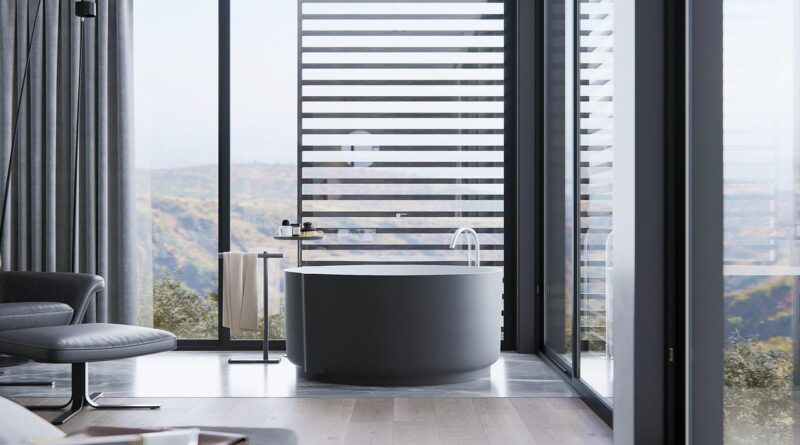
Is Minimalist Home Interior the Best Choice for a Calmer Modern Home?
What Makes a Minimalist Home Interior Feel Calm Instead of Empty?
A minimalist home interior is not about making rooms bare. It is about keeping fewer items, choosing them with care, and leaving enough open area for real daily use. If you are planning a cleaner and calmer home, the Home & Interior section is a useful place to keep checking practical ideas for modern living.
A good minimalist room still feels lived in. You should be able to read on the sofa, put keys near the entry, cook on a weekday night, or have two friends over without moving furniture around. The point is not a perfect photo. It is a home that makes normal days easier.
Clear Lines With Daily Purpose
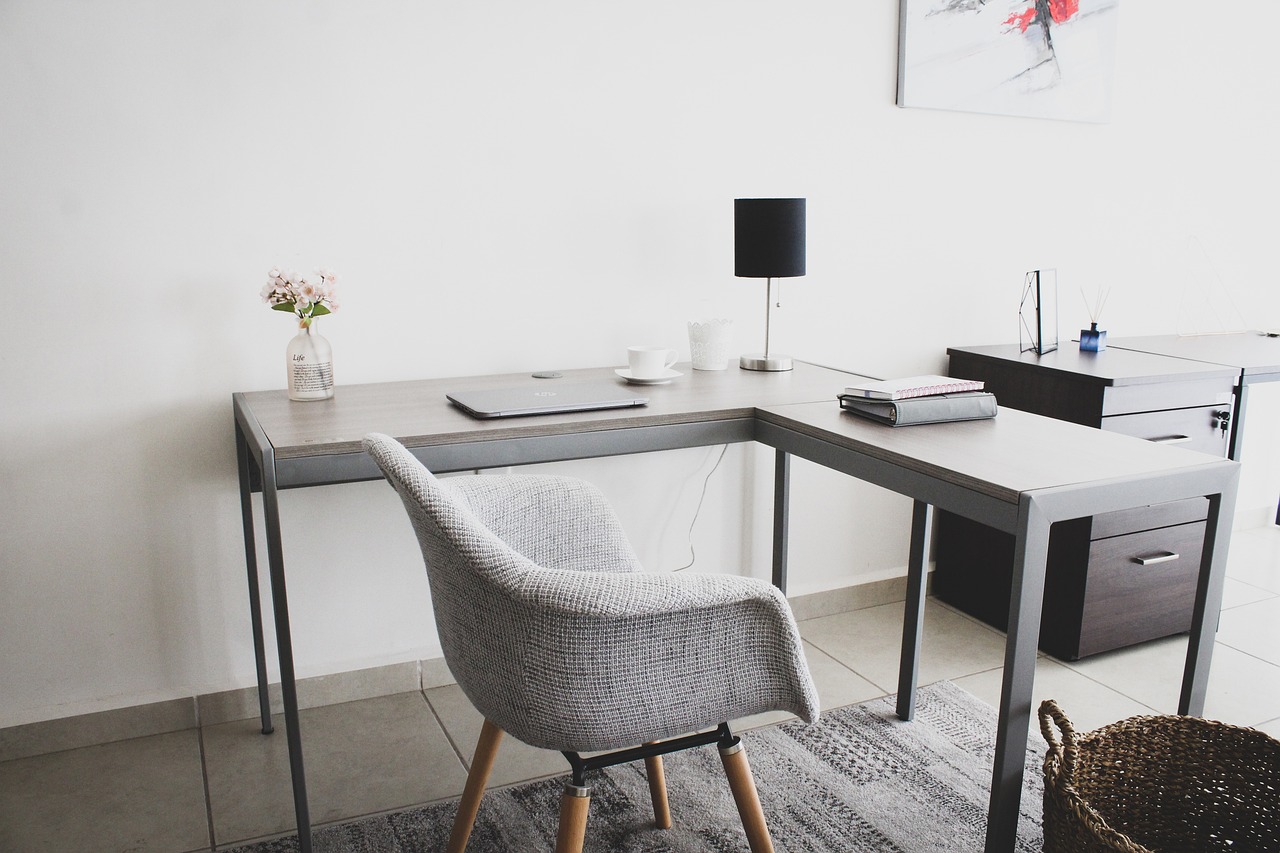
Clean lines work best when they match a daily habit. A plain oak dining table, a low sofa, or a built-in bench can look simple, but each one still has to fit how you live. Before buying a piece, ask a plain question: what will you do here every day?
Warm Materials That Stop the Space Feeling Cold
Minimalism can feel cold quickly when every surface is glossy white or gray. Natural wood, woven fabric, wool rugs, clay, stone, and matte metal add touch without making the room look busy. A small wood grain can often do more than five small decor items.
Negative Space That Still Supports Life
Empty space needs a reason. It gives the eye a rest, keeps walking routes open, and helps one good chair or one artwork stand out. At the same time, an empty corner should not feel left over. If that corner never works, use a floor lamp, a plant, or a closed cabinet instead of random filler.
How Do You Plan a Minimalist Layout Before Buying Anything?
Start with the room, not with the furniture store. A minimalist layout depends on movement, sightlines, daylight, and the items you use often. In its 2024 design trend report, the National Association of Home Builders said buyers were looking for homes around 2,070 square feet, compared with 2,260 square feet 20 years earlier. The lesson is simple: better space planning can matter more than a larger house. (nahb.org)
Room Zones Based on Real Habits
Plan each room by activity. In a living room, you may need a reading area, a media area, and a small place for drinks. In a bedroom, you need space for sleep, clothing, and maybe a quiet chair. If a room has no clear use, clutter usually takes over the unused space.
Traffic Paths Around 30 to 36 Inches
A comfortable path often needs about 30 to 36 inches, especially around sofas, beds, and dining chairs. This is not a fixed rule, because older homes can have awkward corners and tight openings. Still, if you have to turn sideways to pass a coffee table, the room will not feel calm.
One Strong Focal Point per Room
Choose one main focus in each room. It may be a fireplace, a window, a low media wall, a bed, or a dining table under a pendant. Too many focal points make a room feel noisy, even when there are not many items in it.
Which Colors and Materials Work Best for Minimalist Homes?
Minimalist color is not only about white paint. Cream, warm gray, sand, greige, mushroom, clay, muted green, and charcoal can all work. The key is to keep the palette limited, then use texture so the room does not feel flat.
Soft Neutrals With One Grounding Shade
Pick two or three main colors for the whole home. Then add one grounding shade, such as blackened bronze, deep brown, olive, or slate. This gives the room more weight. Without it, pale minimalist rooms can look washed out, especially on cloudy days.
Natural Wood, Stone, Linen, and Limewash
Natural materials help simple rooms feel settled. White oak cabinets, honed stone counters, linen curtains, jute rugs, and limewash walls all bring small changes in texture and tone. They are quiet choices, but they keep the space from looking plain and unfinished.
Low Odor Finishes and Cleanable Surfaces
Material choice also affects indoor comfort. The U.S. Environmental Protection Agency notes that building materials, furnishings, and some household products can release pollutants more or less continuously, and it recommends source control as a key indoor air quality strategy. For a minimalist renovation, that means low-VOC paints, well-sealed wood products, washable fabrics, and good ventilation during installation. (epa.gov)
How Can Storage Keep Minimalism Practical?
Storage is where minimalist design either works well or turns into a weekend cleaning job. You do not need to own almost nothing. You need proper places for the things that are part of your life. A 2025 Houzz renovation trends survey included 21,889 users, with 10,981 renovating U.S. homeowners, which shows that real homeowners still care about practical renovation choices, not style alone. (houzz.com)
Closed Storage for Visual Quiet
Closed storage does a lot of the work in minimalist homes. Flat-front cabinets, wardrobe walls, storage benches, and drawers hide daily mess. If you have children, pets, hobbies, or kitchen tools, closed storage is not cheating. It is just honest design for a real home.
Open Shelves Only for Useful Objects
Open shelves look best when they hold things you use or truly like. Dishes, cookbooks, a ceramic bowl, or a framed print can work well. Try not to turn shelves into a display of tiny pieces. Dust collects fast, and nobody enjoys cleaning 27 small objects.
A Weekly Reset Spot Near the Entry
Make a small reset area near the front door. Use a drawer for keys, a tray for mail, hooks for bags, and a closed shoe cabinet if there is room. This one area can stop clutter from moving onto the kitchen island, dining table, and sofa. It is a small detail, but it saves time every week.
Can Minimalist Design Reduce Visual Stress at Home?
Minimalist design cannot solve every type of stress, and no serious source proves that one exact sofa style will calm every person. Still, research does show a link between how people describe clutter at home and stress markers. A UCLA-linked study published through PubMed analyzed home tours from 60 dual-income spouses and found that women with higher stressful home scores had flatter daily cortisol slopes, while restorative home scores related to healthier patterns. (pubmed.ncbi.nlm.nih.gov)
Fewer Visible Decisions
Every visible object takes a small amount of attention. A counter covered with mail, chargers, cups, and unfinished tasks can make a room feel busy even after cleaning. Minimalism reduces that visual load by keeping surfaces clear and storage nearby. See also: Building Styles.
Rooms That Are Easier to Reset
A room with fewer loose items is quicker to reset. That matters after dinner, after guests leave, or before work in the morning. A five-minute reset feels realistic. A forty-minute cleanup is the job people keep putting off.
Personal Objects With More Space
Minimalism does not mean removing memory from the home. In many cases, it gives personal objects more value. One family photo, one handmade bowl, or one travel piece can feel more important when it is not crowded by ten unrelated items.
What Lighting Makes Minimalist Interiors Look Better at Night?
Minimalist rooms often look good in daylight but weaker at night. The problem is usually not the color scheme or the furniture. It is the lighting plan. According to the U.S. Energy Information Administration, 90% of U.S. households reported using LED bulbs in the 2024 Residential Energy Consumption Survey, based on responses collected from 16,676 households. LEDs are now common, so placement and control matter more than just the bulb type. (eia.gov)
Layered Light Instead of One Ceiling Fixture
Use three light layers when the room allows it: ambient light for the room, task light for reading or cooking, and accent light for texture. One ceiling fixture can make even good furniture look flat. A table lamp beside a linen chair can change the room quickly. The setup does not need to be complex; it just needs more than one source.
Warm LEDs With Simple Controls
For living rooms and bedrooms, warm LEDs usually feel more relaxed than cool white bulbs. Dimmers are useful too, as long as the controls stay simple. If every lamp needs an app, a password, and extra patience, the home stops feeling easy to use.
Daylight, Shade, and Glare Control
Minimalist windows can look clean and light, but glare can make the room uncomfortable. Linen curtains, roller shades, sheer panels, or exterior shading can help where needed. A bright room should still let you watch a screen, read a book, and sit without squinting.
Is Minimalist Home Interior Worth It for Resale and Long Term Living?
A minimalist home interior can be worth it when it feels broad, durable, and flexible. Buyers may not share your exact taste, but many people respond well to clean rooms, good storage, natural light, simple finishes, and a home that looks cared for.
Broad Appeal Without Trendy Clutter
Choose long-life basics before trend pieces. Plain cabinet fronts, simple trim, neutral walls, and good hardware usually age better than bold patterns used everywhere. You can still add character through art, textiles, and vintage pieces. Those items are much easier to change later.
Durable Upgrades Before Decorative Extras
Spend on the surfaces you touch every day: flooring, counters, cabinet pulls, faucets, seating fabric, and lighting. A minimalist room shows weak details quickly. When there is less decoration, chipped laminate or poor lighting has nowhere to hide.
Flexible Rooms for Work, Guests, and Rest
Flexible space is a practical advantage. A guest room can also work as a study if storage is built in and the desk is not too large. A dining nook can handle meals, homework, and laptop time. Minimalism leaves room for these spaces to change as life changes.
FAQ
Q1: Is Minimalist Home Interior Only for Large Homes? A: No. Smaller homes often benefit most because clear paths, closed storage, and fewer visual distractions make each room feel more usable.
Q2: What Is the Best First Step for a Minimalist Home? A: Start with surfaces. Clear counters, bedside tables, and entry areas first, then decide what storage is missing before buying new decor.
Q3: Can Minimalist Interiors Still Use Color? A: Yes. Keep the base simple, then use one or two muted colors. Olive, clay, navy, rust, or deep brown can all work in a calm room.
Q4: How Do You Stop Minimalist Rooms From Feeling Cold? A: Add texture through wood, linen, wool, stone, plants, and warm lighting. The room can stay simple and still feel soft.
Q5: Is Minimalism Expensive to Create? A: Not always. Decluttering, repainting, changing lamps, and improving storage can make a clear difference before any major renovation starts.