
Are Modern House Facade Designs Redefining Sustainable Architecture Today
Modern House Facade Trends in Residential Architecture
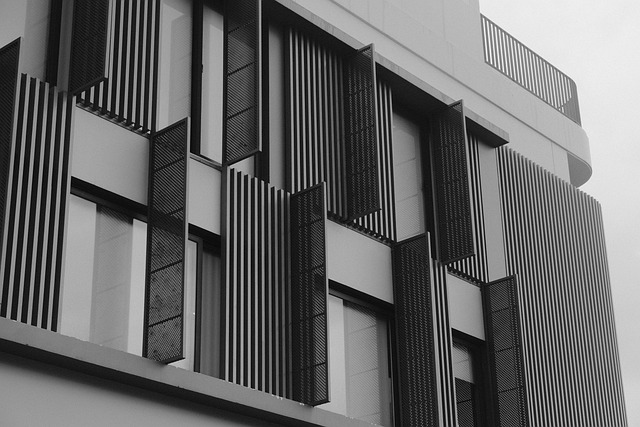
Modern house facade design has evolved into a discipline that merges aesthetics with measurable sustainability. The contemporary approach emphasizes energy performance, adaptive materials, and digital precision over decorative excess. Architects now view the facade not only as a visual statement but as a living system that manages light, heat, and airflow. This shift is redefining architectural identity and advancing the goal of net-zero construction in residential environments.
The Evolution of Modern House Facade Designs in Sustainable Architecture
The transformation of modern house facades reflects a global shift toward environmental accountability. Design decisions are increasingly guided by performance data, lifecycle assessments, and regional climate conditions rather than stylistic trends alone.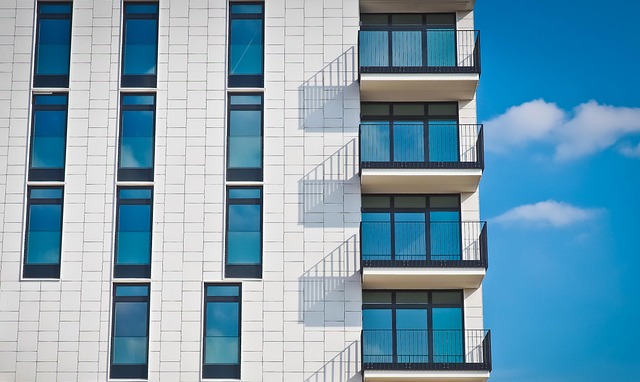
The Shift from Aesthetic Appeal to Environmental Performance
Facade design has transitioned from being purely ornamental to serving as an active environmental interface. Material selection now considers embodied carbon, recyclability, and thermal efficiency. Structural orientation is optimized for solar gain and shading balance. Architects integrate these metrics to achieve both energy savings and architectural coherence, merging visual identity with ecological responsibility.
The Role of Facade Systems in Green Building Strategies
Adaptive facade systems now form the backbone of sustainable architecture. They regulate indoor temperature through passive heating and cooling while enhancing daylight penetration. Smart materials such as phase-change composites or electrochromic glass adjust dynamically to external stimuli. These facades act as mediators between interior comfort and fluctuating outdoor conditions, contributing directly to occupant well-being and operational efficiency.
Material Innovation in Modern Sustainable Facades
Material innovation defines the current generation of sustainable facades. Designers are replacing conventional cladding with recycled, local, or bio-based materials that extend building lifespan while reducing carbon emissions.
Use of Recycled and Locally Sourced Materials
Reclaimed wood, recycled aluminum panels, and low-carbon concrete are becoming standard components in modern house facade construction. Local sourcing limits transportation emissions and supports community economies. Transparency in material provenance also aligns with certification frameworks such as LEED or BREEAM, which assess embodied energy throughout a building’s lifecycle.
Integration of Bio-based and Renewable Materials
Bio-composites derived from bamboo, hemp fiber, or mycelium offer renewable alternatives to petroleum-based products. These natural materials improve indoor air quality by reducing volatile organic compounds (VOCs). Lifecycle assessments guide architects toward materials with minimal environmental impact while maintaining structural integrity suitable for long-term residential use.
Technological Advancements Shaping Facade Performance
Technology has redefined how facades respond to their environment. From sensor-driven surfaces to algorithmic modeling, innovation drives both precision and adaptability.
Smart Facade Systems and Responsive Technologies
Smart facades incorporate real-time feedback mechanisms that adjust shading or ventilation automatically based on occupancy patterns or solar exposure. Electrochromic glazing modulates transparency levels to control glare and heat gain without mechanical blinds. Sensor networks collect performance data that inform maintenance schedules and future design refinements.
Digital Fabrication and Parametric Design in Facade Engineering
Digital fabrication enables mass customization without material waste. Parametric modeling tools simulate airflow patterns and solar radiation across complex geometries before construction begins. This computational approach allows architects to fine-tune every element for maximum efficiency while maintaining creative freedom—a balance once thought impossible in traditional building methods.
Energy Efficiency Through Facade Design Integration
Energy-efficient facades are no longer optional—they define the environmental credibility of modern residential projects. Integrating passive strategies with active systems ensures consistent performance across seasons.
Passive Design Principles in Modern Facades
Orientation plays a central role: south-facing facades maximize winter sunlight while deep overhangs prevent summer overheating. Thermal mass materials stabilize indoor temperatures by absorbing excess heat during the day and releasing it at night. Operable windows promote cross ventilation that reduces reliance on mechanical cooling systems.
Active Energy Systems Embedded in the Building Envelope
Photovoltaic panels integrated into cladding generate on-site renewable power without disrupting aesthetic composition. Hybrid systems combine passive elements with active components like heat recovery ventilators embedded within facade cavities. Together they contribute toward net-zero energy goals by offsetting daily operational loads through self-generation.
The Relationship Between Aesthetics and Sustainability in Modern Architecture
Aesthetic expression remains vital but is now deeply intertwined with environmental ethics. The most compelling modern house facades achieve beauty through restraint, proportion, and ecological intelligence rather than ornamentation.
Harmonizing Design Expression with Environmental Responsibility
Minimalist forms emphasize material honesty—exposed timber grains or untreated metal surfaces convey authenticity while aging gracefully over time. Architects balance cultural context with performance metrics so that buildings resonate visually within their environment yet remain resource-efficient.
The Psychological Impact of Sustainable Facade Design on Occupants
Biophilic features such as green walls or perforated screens foster connection with nature even in dense urban settings. Access to daylight enhances circadian rhythm alignment and cognitive function among residents. Sustainable design thus extends beyond technical metrics into emotional wellness—a dimension often overlooked but increasingly valued by clients.
Regulatory Frameworks and Certification Standards Influencing Facade Design Choices
Global regulations are tightening around carbon reduction targets, pushing facade innovation into mainstream practice rather than experimental territory.
Global Sustainability Standards Guiding Modern Construction Practices
Certification programs like LEED (Leadership in Energy and Environmental Design) or BREEAM (Building Research Establishment Environmental Assessment Method) provide measurable benchmarks for evaluating facade efficiency across thermal insulation, daylight access, and material sourcing categories. Compliance ensures consistency across regions while promoting transparency in reporting energy outcomes.
Urban Policy Incentives Promoting Sustainable Building Envelopes
Many cities now offer tax reductions or density bonuses for developments incorporating high-performance envelopes or renewable integration systems such as solar skins or vertical gardens. Zoning policies also encourage green roofs and reflective coatings to mitigate urban heat islands—a growing concern amid rising global temperatures recorded by agencies like the IEA (International Energy Agency).
Future Directions: Redefining the Architectural Identity Through Sustainable Facades
The future of facade design lies at the intersection of adaptability, circularity, and data-driven decision-making—principles shaping how buildings will evolve over decades rather than years.
Emerging Trends in Adaptive Envelope Design
Modular facade panels allow easy replacement or upgrade without full demolition at end-of-life stages, supporting circular economy principles outlined by ISO 20887 standards on design for disassembly. Living walls enhance biodiversity while filtering pollutants from city airstreams—a small but tangible contribution toward urban resilience strategies promoted globally by IRENA’s clean energy frameworks.
The Role of Interdisciplinary Collaboration in Next-generation Façade Innovation
Collaboration among architects, engineers, material scientists, software developers, and environmental consultants fosters holistic solutions where aesthetics meet analytics. Continuous feedback between digital simulation models and post-occupancy data refines predictive algorithms for climate responsiveness—turning each project into a learning system that informs the next generation of sustainable architecture.
FAQ
Q1: What defines a modern house facade today?
A: It combines aesthetic clarity with measurable sustainability using smart materials, adaptive shading systems, and efficient structural orientation aligned with local climate data.
Q2: How do recycled materials improve facade sustainability?
A: They cut embodied carbon significantly while lowering transport emissions when locally sourced; reclaimed metals or timber also add tactile richness often missing from synthetic finishes.
Q3: Are photovoltaic facades cost-effective for residential projects?
A: Initial investment remains higher than standard cladding but long-term energy savings plus policy incentives make them financially viable within 8–12 years depending on region.
Q4: Why is biophilic design important for modern homes?
A: It enhances mental health through natural light exposure, greenery integration, and improved air circulation—all proven factors influencing productivity and comfort according to multiple environmental psychology studies.
Q5: What role do digital tools play in designing sustainable facades?
A: Parametric modeling enables precise simulation of thermal behavior before construction starts; this minimizes waste during fabrication while achieving optimal energy efficiency outcomes validated by real-time monitoring systems after occupancy.