
Are Green Architects Near Me Redefining Sustainable Design In Ernakulam
Top Sustainable Architects in Ernakulam
Sustainable architecture in Ernakulam has evolved from a niche idea to a defining force in urban design. The city’s rapid growth and rising environmental awareness have pushed both clients and professionals toward climate-responsive, resource-efficient solutions. Many of the green architects near me now work with materials like laterite and bamboo, integrating passive cooling systems that fit Kerala’s humid tropical context. This shift is not just aesthetic but systemic—linking energy efficiency, water management, and cultural identity into one framework. Today, sustainability in Ernakulam is less about novelty and more about necessity.
The Changing Landscape of Sustainable Architecture in Ernakulam
The architectural narrative of Ernakulam is being rewritten through eco-conscious innovation. As urban density increases, architects are redefining how buildings interact with their surroundings, balancing modern aspirations with ecological responsibility.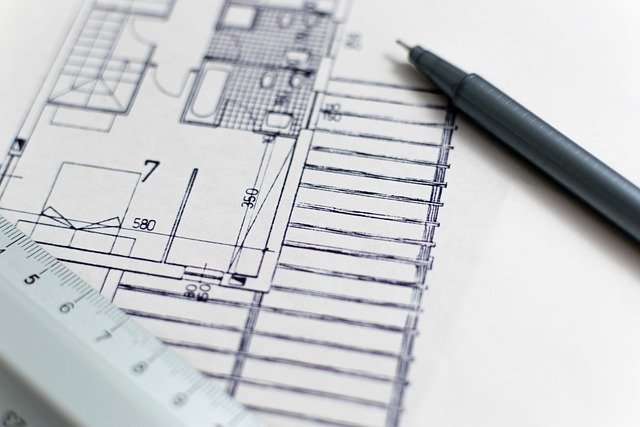
The Emergence of Green Architects in Urban Kerala
A noticeable rise in environmental literacy among homeowners has fueled demand for sustainable homes across Kerala. In Ernakulam, this trend has encouraged local studios to prioritize passive ventilation, daylight optimization, and recycled materials. These green architects near me often draw from vernacular traditions—like sloped roofs for monsoon resilience—while adopting global green standards. Urban expansion patterns influence these choices; denser zones require compact yet breathable designs that minimize heat gain without compromising comfort.
Redefining Sustainability Through Local Context
Sustainability here isn’t imported; it’s reinterpreted through Kerala’s geography and culture. Designs now respond to humidity control and heavy rainfall using shaded verandas and double-roof systems that encourage air flow. Beyond performance metrics, cultural values—like open courtyards or earthy textures—shape the region’s green identity. Collaboration across disciplines has also become common: architects team up with civil engineers, hydrologists, and landscape planners to create integrated sustainability strategies that extend beyond individual buildings.
Core Principles Driving Green Home Design
Green home design in Ernakulam follows principles rooted in efficiency and resilience. Each element—from energy use to water cycles—is evaluated for long-term viability rather than short-term gain.
Energy Efficiency as a Foundational Element
Energy efficiency forms the backbone of modern sustainable homes. Passive solar orientation reduces dependence on artificial lighting by aligning windows toward optimal daylight paths while minimizing glare. Smart home systems now track real-time consumption through IoT-based controls that automatically adjust lighting or air conditioning based on occupancy patterns. Renewable sources like rooftop solar panels further reduce grid dependency, offering both environmental benefits and cost savings over time.
Water Conservation Strategies in Modern Homes
In a region where monsoons alternate with dry spells, water management defines sustainability success. Most new residences include rainwater harvesting tanks connected to filtration systems that supply non-potable uses year-round. Greywater recycling channels wastewater from sinks or showers into irrigation lines, cutting freshwater use dramatically. Efficient plumbing fixtures such as dual-flush toilets or aerated taps maintain user comfort while minimizing waste—a small intervention with cumulative impact across neighborhoods.
Material Selection for Sustainable Construction
Material choice directly affects carbon footprint and building longevity. In Ernakulam’s context, the focus is shifting toward locally available resources that align with the climate and cultural aesthetics.
The Role of Locally Sourced and Recycled Materials
Laterite stone remains a regional favorite due to its thermal mass properties that stabilize indoor temperature naturally. Bamboo framing offers flexibility for lightweight structures while supporting local economies tied to traditional craftsmanship. Clay roof tiles sourced nearby reduce transportation emissions significantly compared to imported alternatives. Recycled aggregates from construction debris are also being reused for foundations or paving, contributing to circular economy goals within the sector.
Innovations in Eco-Friendly Building Materials
Modern technology complements tradition through advanced material science. Low-VOC paints enhance indoor air quality by limiting chemical off-gassing—a key factor for occupant health in humid climates. High-performance insulation boards made from natural fibers like coir or cellulose improve thermal comfort without synthetic additives. Prefabricated wall panels are gaining traction as they cut onsite waste generation by nearly 30% while reducing construction timelines considerably.
Integrating Nature with Built Environments
Nature integration has become an architectural language of its own in Kerala’s cities. It reflects not only ecological awareness but also psychological well-being among occupants.
Biophilic Design Principles in Residential Architecture
Designers now treat sunlight as an architectural material rather than a constraint. Large openings invite cross-ventilation; skylights bring diffuse light deep into interiors; vertical gardens soften concrete facades while filtering dust particles naturally. Courtyards continue to serve as microclimate regulators—cooling air before it circulates indoors—and as social hubs where family life unfolds amidst greenery.
Landscape Planning for Ecological Harmony
Landscape design extends sustainability beyond walls into the urban ecosystem itself. Native plant species like ixora or hibiscus thrive without chemical fertilizers and support local pollinators year-round. Permeable pavements allow rainwater infiltration during monsoons, reducing runoff pressure on municipal drains. Site-sensitive planning preserves mature trees whenever possible; some projects even build around existing banyans or mango groves instead of clearing them entirely.
Technological Advancements Supporting Green Architecture
Technology plays a transformative role in scaling sustainable design from concept to execution across Ernakulam’s residential market.
Smart Systems for Energy Monitoring and Control
Automation tools have matured enough to make smart energy control mainstream even in mid-range housing projects. Sensors embedded within walls monitor temperature fluctuations and adjust ventilation rates dynamically. Lighting networks linked through mobile apps enable users to schedule operations efficiently—cutting wastage during unoccupied hours while maintaining desired ambiance levels throughout the day.
Building Information Modeling (BIM) for Sustainable Design Integration
BIM platforms now underpin most large-scale projects led by green architects near me. These digital models unify structural data, energy simulations, and cost projections into one collaborative environment accessible by all stakeholders simultaneously. By running pre-construction simulations on daylight penetration or heat load distribution, teams can refine designs before breaking ground—saving both material resources and operational expenses later on.
The Role of Policy and Certification Frameworks in Ernakulam’s Green Movement
Policy frameworks create accountability mechanisms that drive consistent adoption of sustainable practices across private developments.
Green Building Certifications Guiding Architectural Practice
Certifications such as LEED (Leadership in Energy and Environmental Design), GRIHA (Green Rating for Integrated Habitat Assessment), and IGBC (Indian Green Building Council) establish measurable benchmarks covering energy use intensity, water balance ratios, indoor quality indices, and waste recycling percentages. These systems promote transparency by quantifying performance outcomes rather than relying solely on visual cues or marketing claims.
Government Incentives Promoting Sustainable Development
Kerala’s state-level initiatives complement these certifications through fiscal incentives like reduced property tax rates for certified green homes or subsidies on solar installations under renewable promotion schemes aligned with IRENA recommendations for distributed generation models (IRENA 2023). Public-private partnerships further accelerate adoption by funding demonstration projects within new township developments around Kochi Metro corridors.
Future Directions for Green Architects Near Me in Ernakulam
The next phase of sustainability will depend heavily on collaboration between academia, industry practitioners, and civic authorities aiming at scalable innovation rather than isolated excellence.
Collaborative Innovation Across Disciplines
Joint research programs between engineering colleges and architecture firms are testing hybrid materials suitable for coastal humidity resistance while maintaining low embodied carbon values per ISO 14040 lifecycle assessment standards (ISO 2022). Developers engaged early during conceptual stages help translate experimental findings into commercially viable prototypes faster than traditional linear workflows allow.
Shaping Community Awareness Through Design Leadership
Architects increasingly act as educators within public forums discussing urban climate adaptation strategies—from flood-resilient housing typologies to decentralized wastewater treatment units integrated at community scale. Demonstration homes built using affordable green technologies serve as tangible examples inspiring replication among mid-income segments who previously viewed sustainable living as luxury-driven rather than necessity-based.
FAQ
Q1: What defines a green architect near me in Ernakulam?
A: A green architect specializes in designing buildings that minimize resource consumption while maximizing occupant comfort using local materials and passive climatic strategies suited to Kerala’s environment.
Q2: How do sustainable homes handle humidity control?
A: They rely on cross-ventilation layouts, breathable wall finishes like lime plaster, shaded verandas, and ventilated roof assemblies that naturally manage internal moisture levels without mechanical dehumidifiers.
Q3: Are eco-friendly materials more expensive?
A: Initial costs can be slightly higher due to limited supply chains but lifecycle analysis shows lower maintenance expenses offsetting upfront investment within five to seven years depending on usage patterns.
Q4: Which certification suits residential projects best?
A: For individual houses or small apartment blocks, GRIHA typically offers context-specific evaluation metrics aligned with Indian climatic zones compared to broader international frameworks like LEED.
Q5: How can homeowners find reliable green architects near me?
A: Checking professional listings under IGBC-accredited firms or consulting local architecture councils provides verified contacts experienced in sustainable residential design across Ernakulam district.