
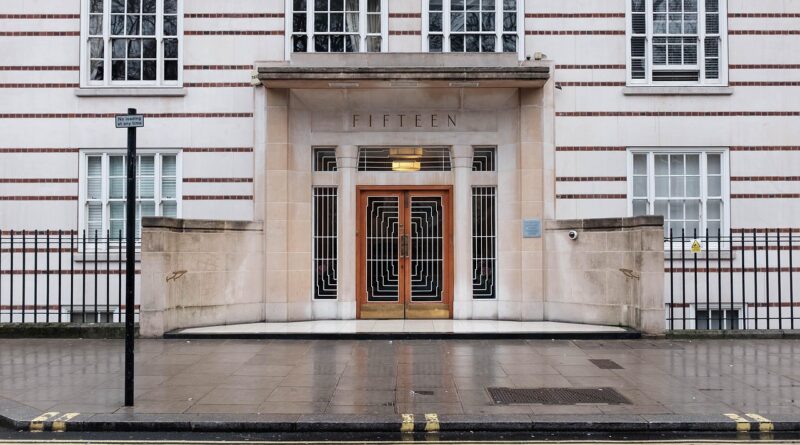
Art deco building style explained through history, features, and examples
The art deco building style refers to a modern decorative architecture that flourished mainly in the 1920s and 1930s. It combines streamlined forms, bold geometry, rich materials, and a strong vertical pull. The style is more than zigzags and sunbursts. At its best, it makes buildings look modern, urban, efficient, and glamorous at the same time. Museum and preservation sources such as the Metropolitan Museum of Art, Getty Research Institute, National Park Service records, and UNESCO heritage material commonly connect Art Deco with the 1925 Paris decorative arts exposition, interwar modernity, and the rise of new building types, especially skyscrapers, cinemas, apartment houses, hotels, and commercial towers. For readers comparing architectural periods, Art Deco sits between historic revivalism and stricter modernism.
What the art deco building style means
Art Deco is a building style of controlled drama. It usually favors symmetry, clean outlines, abstract ornament, and surfaces that feel crafted but machine-age. The style takes its name from the Exposition Internationale des Arts Décoratifs et Industriels Modernes, held in Paris in 1925, although the phrase Art Deco became more widely used later as a historical label. By 1925, the style had already matured across decorative arts, interiors, furniture, graphics, and architecture.
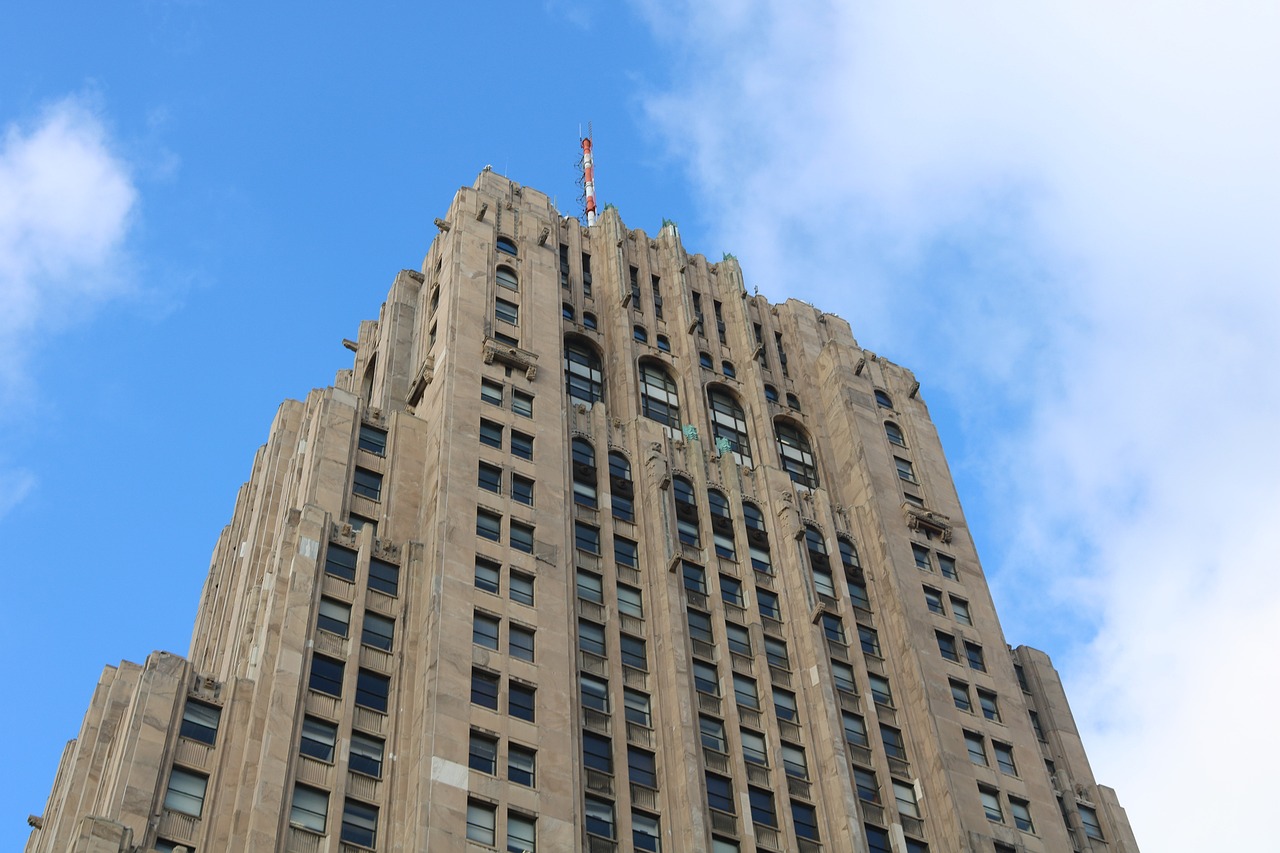
In architecture, Art Deco did not reject ornament in the way later International Style modernism often did. Instead, it modernized ornament. Classical columns, Gothic tracery, floral carving, and historical decoration were replaced or transformed into chevrons, stepped forms, fluting, abstract flowers, stylized animals, sunbursts, speed lines, and geometric relief. The result was a style that could feel luxurious without looking old-fashioned.
That mix explains why Art Deco remains useful in the study of building styles. It bridges two architectural worlds: the craft and decoration of older buildings, and the industrial materials, elevators, electric lighting, steel frames, automobiles, ocean liners, radio, and cinema culture of the early 20th century.
A short timeline of Art Deco architecture
The art deco building style did not appear overnight. It grew out of earlier decorative arts, avant-garde geometry, luxury craftsmanship, and new urban building technologies. Its timeline is best read as a set of overlapping phases rather than a single start and end date.
| Period | What changed | Architectural importance |
|---|---|---|
| 1910s to early 1920s | French decorative arts, geometric abstraction, and luxury interiors moved away from direct historical copying. | The visual language of modern ornament was forming before the term Art Deco became common. |
| 1925 | The Paris exposition presented modern decorative arts on an international stage. | Museum sources commonly identify the exposition as the event that gave the style its name and helped spread its influence. |
| Late 1920s to 1930s | Art Deco became prominent in commercial towers, cinemas, hotels, department stores, transport buildings, and apartment blocks. | The style adapted especially well to dense cities, electric signage, high-rise construction, and public entertainment architecture. |
| Late 1930s and after | Economic pressure, changing taste, and functionalist modernism reduced the appeal of costly decorative programs. | Streamline Moderne and other modern styles kept some Deco energy while simplifying ornament and emphasizing horizontal motion. |
Key features that make a building Art Deco
Art Deco buildings vary by country, climate, budget, and building type, but several features appear often enough to make the style recognizable. A building does not need every feature to qualify. The strongest examples usually coordinate massing, materials, ornament, and interiors into one design language.
Vertical emphasis and stepped massing
Many Art Deco buildings look as if they are reaching upward. Towers, piers, narrow window bays, fluted pilasters, and tall entrance compositions draw the eye vertically. On skyscrapers, setbacks and tiered crowns turn practical massing into sculptural silhouettes. This is one reason Art Deco became so closely associated with the early modern skyline: the style could make height feel ceremonial.
Geometric ornament
Art Deco decoration is typically angular, repeated, and tightly organized. Common motifs include zigzags, chevrons, diamonds, triangles, stepped pyramids, sunbursts, fountains, fans, lightning forms, and stylized waves. Nature appears too, but it is usually disciplined into low-relief patterns rather than allowed to flow freely. Leaves, flowers, birds, and animals become almost emblem-like.
Modern and luxurious materials
The style often uses stone, brick, terra-cotta, glazed tile, concrete, aluminum, bronze, stainless steel, glass, lacquered surfaces, mirrors, and polished woods. High-budget examples may include costly metals and richly finished lobbies. More modest commercial buildings may use stucco, colored tile, simplified relief, and metal signage to achieve a related effect. The point is not expense alone, but contrast: matte against shine, smooth wall planes against crisp ornament, and vertical strips against decorative panels.
Integrated interiors
Art Deco architecture often continues indoors. Lobbies, elevator doors, stair rails, light fixtures, terrazzo floors, murals, ceiling patterns, and custom signage can all carry the same geometric logic as the exterior. In theaters and hotels, the interior experience may be even more important than the facade. This integration is why preservationists often treat Art Deco lobbies and public rooms as essential parts of a building’s character.
Why Art Deco worked so well in 20th-century cities
Art Deco became an urban style because it matched the ambitions of cities that wanted to look modern. Banks, offices, cinemas, department stores, apartment houses, transport terminals, and hotels could use the style to signal confidence, technology, entertainment, and progress. It was especially persuasive in places where electric lighting, elevators, steel-frame construction, and mass media were reshaping public life.
For skyscrapers, Art Deco addressed a real visual problem. A tall building could easily look like a stack of repetitive floors. Deco designers used vertical bands, setbacks, crowns, spires, and ornamental panels to make towers legible from the street and memorable on the skyline. In cities where zoning rules encouraged upper-level setbacks, architects could turn regulation into theatrical form.
For cinemas and entertainment buildings, the style created anticipation before a visitor entered. Marquees, illuminated signs, polished metals, patterned floors, and dramatic vestibules made the building part of the event. For apartment houses and hotels, Deco details made everyday urban living feel stylish and up to date. Even small storefronts could borrow the vocabulary through tilework, lettering, parapets, and display windows.
Art Deco compared with related building styles
Art Deco is often confused with other late 19th- and early 20th-century styles. The overlap is understandable: designers borrowed freely, and many buildings mix elements. Still, the differences are useful when reading a facade.
| Style | Typical visual language | How it differs from Art Deco |
|---|---|---|
| Art Nouveau | Flowing lines, vines, flowers, asymmetry, and organic curves. | Art Deco is usually more geometric, symmetrical, angular, and machine-age. |
| Beaux-Arts | Classical columns, domes, pediments, grand stairways, and axial planning. | Art Deco may keep monumentality but replaces classical detail with abstract modern ornament. |
| Gothic Revival | Pointed arches, tracery, vertical stonework, and medieval references. | Art Deco can share verticality but avoids literal medieval forms in favor of simplified geometry. |
| Streamline Moderne | Rounded corners, horizontal bands, smooth surfaces, porthole windows, and aerodynamic forms. | Streamline Moderne is generally smoother, more horizontal, and less ornamental, though the two styles often overlap. |
| International Style | Flat roofs, glass, steel, open plans, and minimal applied ornament. | Art Deco accepts modern materials but keeps decoration, symbolism, and crafted surface effects. |
Notable examples and what they teach
Famous Art Deco buildings are useful not because every project can imitate them, but because each shows a different strength of the style. A skyscraper, a cinema, a hotel district, and a heritage ensemble all use the same general language in different ways.
New York skyscrapers
The Chrysler Building, designed by William Van Alen and completed around 1930, remains one of the clearest demonstrations of Art Deco verticality. Its terraced crown, metallic finish, and automobile-inspired ornament connect the tower to the machine age. The Empire State Building, completed in 1931, shows a more restrained version of the style: long vertical lines, disciplined massing, and a monumental lobby rather than lavish exterior carving.
These buildings show why Art Deco became associated with ambition. Their forms make height visible, their crowns create identity at skyline scale, and their interiors translate corporate and urban confidence into material experience.
Theaters, hotels, and entertainment interiors
Radio City Music Hall, opened in 1932 with interiors associated with Donald Deskey, demonstrates the theatrical side of Deco. Its spaces use geometry, lighting, murals, metalwork, and coordinated finishes to create a complete environment. Across the United States and beyond, movie palaces used related strategies: a visitor moved from street lights to marquee to lobby to auditorium through a choreographed sequence of modern spectacle. See also: Building Layout.
Hotels and apartment buildings often used a softer version. Instead of monumental crowns, they relied on patterned entrances, terrazzo floors, metal railings, stylized lettering, and compact lobbies. These details mattered because they made dense urban living feel contemporary and aspirational.
Miami Beach and the question of overlap
Miami Beach is widely associated with Art Deco, especially through its concentration of 1930s hotels and apartment buildings. However, the area also includes strong Streamline Moderne influence: curved corners, horizontal banding, smooth stucco, eyebrows over windows, glass block, and nautical details. Calling the whole district Art Deco can be useful for general readers, but a more careful reading recognizes a spectrum of Deco, Streamline, and regional tropical adaptation.
This distinction matters for preservation. A facade with horizontal eyebrows and rounded corners should not be restored as if it were a sharply vertical Zigzag Moderne tower. The correct treatment depends on the actual features of the individual building, not only the popular label attached to the district.
Mumbai and the global reach of Art Deco
Art Deco was not only a European or American phenomenon. Mumbai’s Victorian Gothic and Art Deco Ensembles were inscribed on the UNESCO World Heritage List in 2018. UNESCO describes the ensembles as reflecting major phases of architecture and urban planning, with Art Deco forming a visible part of the city’s modernization. The Mumbai example is important because it shows how the style could be imported, adapted, and localized rather than simply copied.
In global settings, Deco motifs could meet local climate, local craft, local urban patterns, and regional social ambitions. This is why Art Deco should not be read as a single fixed formula. It is better understood as an international design language that cities translated into their own conditions.
How to read and preserve an Art Deco building today
To evaluate an Art Deco building, start with the overall composition before focusing on ornament. Is the massing stepped or vertical? Does the entrance have ceremonial emphasis? Are windows grouped into tall strips or framed by piers? Is the parapet shaped or decorated? Are geometric panels concentrated near the roofline, doorway, spandrels, or storefront?
Then look at the materials. Original terra-cotta, metalwork, tile, terrazzo, glass block, stone panels, decorative plaster, and custom hardware can carry a large share of the building’s identity. Replacement work that removes these elements may leave the shell standing while erasing the style’s substance. In Art Deco preservation, small details are not minor decoration; they are often the evidence that links the building to its period.
Good contemporary adaptation does not require freezing a building in time. Energy upgrades, accessibility improvements, new uses, and life-safety work may all be necessary. The challenge is to make changes that respect character-defining features. Documenting existing conditions, repairing rather than replacing where possible, and distinguishing new work from historic fabric can help a building remain useful without losing its architectural meaning.
For new design, Art Deco can still offer lessons, but copying surface motifs alone often feels thin. The deeper lesson is coordination: massing, pattern, material, signage, lighting, and interiors should speak the same architectural language. A convincing Deco-inspired project uses proportion and craft, not just a sunburst applied at the end.
Frequently asked questions
What years are most associated with Art Deco buildings?
Art Deco architecture is most closely associated with the 1920s and 1930s. Its roots appeared earlier in 20th-century decorative arts, and some buildings continued to use Deco or Deco-influenced features after the 1930s, but the interwar decades remain the core period.
Is Art Deco the same as Art Moderne?
No, although the terms are sometimes used loosely. Art Deco usually emphasizes verticality, angular geometry, and decorative relief. Art Moderne, often called Streamline Moderne, tends to emphasize horizontal lines, rounded corners, smooth surfaces, and aerodynamic forms. Many buildings contain elements of both.
Why do so many Art Deco buildings have geometric decoration?
Geometric decoration allowed architects to keep ornament while making it look modern. Chevrons, zigzags, stepped forms, and sunbursts felt more compatible with machines, speed, electricity, and modern urban life than older floral or classical decoration.
Can a modest building be Art Deco?
Yes. Not every Art Deco building is a landmark skyscraper or luxury theater. Small banks, shops, schools, apartments, and municipal buildings may show the style through a stepped parapet, vertical pilasters, stylized entry panels, decorative tile, metal lettering, or a patterned lobby.
What is the easiest way to identify the art deco building style?
Look for the combination of a clean modern form and disciplined ornament. If a building has vertical emphasis, stepped massing, geometric relief, stylized motifs, polished materials, and coordinated interior details, it likely belongs to the Art Deco family or was strongly influenced by it.