
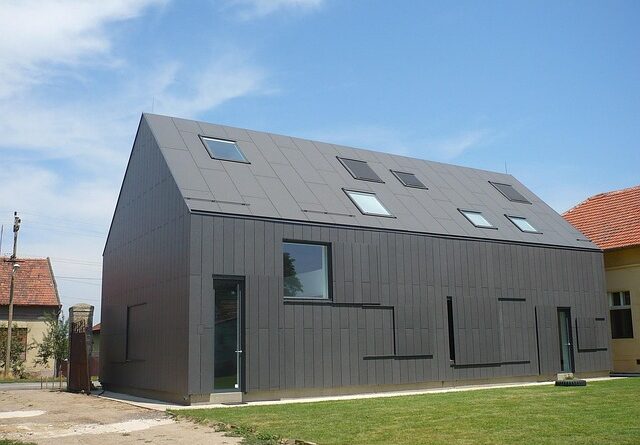
Can A Modern Farm House Plan Make 3-Bedroom Homes Feel More Spacious
These 3-Bedroom House Plans Live Larger Than You’d Ever Expect
Modern farmhouse design has redefined what compact living can feel like. A well-planned 3-bedroom layout can appear far more spacious than its square footage suggests. Through open layouts, natural light, and thoughtful zoning, these homes achieve both comfort and elegance. The secret lies in how the architecture blends rustic warmth with modern efficiency—creating spaces that breathe, flow, and adapt to daily life.
Understanding the Concept of Modern Farmhouse Design?
The modern farmhouse style is not just a revival of rural architecture but a refined response to contemporary living needs. It merges the simplicity of traditional farmhouses with the clarity of modern design principles, producing homes that are both functional and emotionally resonant.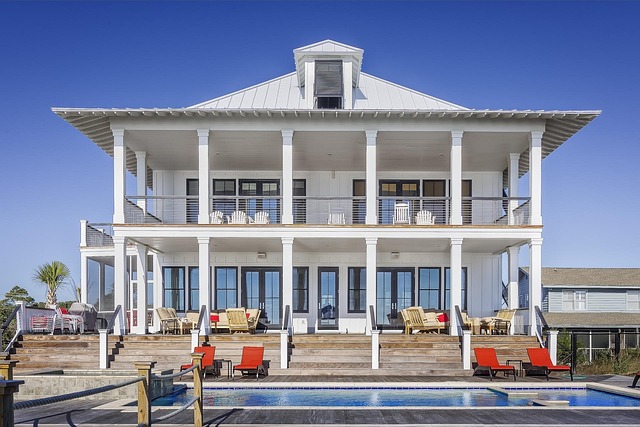
Core Principles Behind Modern Farmhouse Architecture
At its heart, the modern farmhouse combines rustic charm with contemporary functionality. Open layouts encourage connection across living areas, while natural materials such as wood and stone anchor the home in authenticity. Minimalist detailing keeps interiors clean and uncluttered, balancing warmth with precision. This balance ensures that even modest footprints feel generous and welcoming.
The Evolution of the Farmhouse into Modern Residential Design
Originally built for practicality and durability, farmhouses have evolved into versatile suburban and urban dwellings. Today’s designs integrate sustainable materials like reclaimed timber and energy-efficient systems such as solar panels or geothermal heating. The influence of modern design philosophies has also reshaped spatial flow—rooms now transition seamlessly to support flexible lifestyles without losing their grounded character.
Spatial Optimization in 3-Bedroom Modern Farmhouse Plans?
Spatial efficiency defines how a 3-bedroom modern farm house plan can feel expansive without increasing its footprint. Architects focus on visual continuity, vertical dimension, and fluid transitions between zones to amplify perceived volume.
Open Floor Concepts and Their Role in Perceived Space
Open floor plans remove unnecessary walls that traditionally divided rooms. By merging living, dining, and kitchen areas into one cohesive environment, these designs create multifunctional zones ideal for family gatherings or entertaining guests. Furniture placement becomes critical here; aligning pieces along sightlines maintains unobstructed movement while preserving intimacy where needed.
Ceiling Height and Vertical Volume Utilization
Vaulted ceilings are a hallmark feature that enhances spatial perception dramatically. They draw the eye upward, giving even small rooms a sense of grandeur. Exposed beams introduce architectural rhythm without crowding the space. Skylights or clerestory windows bring sunlight deep into interiors, creating an airy atmosphere throughout the day.
The Role of Natural Light and Material Selection in Expanding Space Perception?
Light is one of the most powerful tools for expanding perceived space. When paired with carefully chosen materials, it transforms compact interiors into luminous environments that feel open yet grounded.
Maximizing Natural Illumination through Design Orientation
South-facing windows capture consistent daylight from morning to evening, reducing reliance on artificial lighting. Large glass panels blur boundaries between indoors and outdoors—a key element in many modern farm house plans—while reflective surfaces help diffuse light evenly across rooms. Techniques like light-colored ceilings or matte finishes minimize harsh shadows that could otherwise shrink visual depth.
Material Palette and Color Strategy for Spaciousness
Neutral tones such as soft whites or greige reflect light effectively, amplifying brightness throughout interiors. Textural contrasts—like combining smooth plaster walls with rough-hewn wood beams—add depth without visual clutter. Reclaimed wood accents or white shiplap walls maintain farmhouse authenticity while preserving openness through simplicity.
Functional Zoning within Compact Layouts?
Efficient zoning allows smaller homes to perform like larger ones by ensuring every square foot serves multiple purposes without sacrificing comfort or aesthetics.
Integrating Multi-Purpose Rooms in 3-Bedroom Homes
In many designs, guest bedrooms double as home offices or creative studios depending on household needs. Built-in cabinetry conceals storage within walls to keep sightlines clean. Movable partitions or sliding doors enable quick reconfiguration when family dynamics change—an increasingly valuable feature for adaptable living.
Kitchen as a Central Spatial Anchor
The kitchen often functions as both social hub and circulation core. An island-centered layout encourages interaction during cooking while maintaining workflow efficiency. Extending material continuity—from countertops to outdoor decking—creates cohesion between interior zones and exterior living areas, visually enlarging the home’s usable footprint.
Outdoor Integration as an Extension of Indoor Living Space?
A defining trait of modern farmhouse planning is how it treats outdoor environments as integral parts of everyday life rather than separate domains.
Seamless Transitions Between Indoors and Outdoors
Sliding glass doors connect main living areas directly to patios or decks, dissolving physical barriers between inside comfort and outdoor leisure. Covered porches act as transitional spaces suitable for dining or relaxation across seasons. Landscaping aligned with architectural lines further extends perceived property scale while maintaining harmony with nature.
Utilizing Outdoor Structures to Expand Usable Area
Detached garages or small barns preserve traditional farmhouse character while freeing interior square footage for living functions. Pergolas or screened porches extend seasonal usability by offering shaded retreats during warmer months. Thoughtful outdoor lighting enhances nighttime ambiance without overwhelming architectural simplicity.
Architectural Detailing That Enhances Spaciousness Perception?
Design precision plays a subtle yet vital role in how large a compact home feels; proportion, symmetry, and integration determine whether space reads as fluid or fragmented.
Simplified Lines and Symmetrical Proportions in Modern Farmhouse Plans
Clean geometries avoid visual congestion common in smaller layouts. Balanced window placements establish rhythm across façades while distributing daylight evenly indoors. Minimal trim work emphasizes verticality subtly—making ceilings appear higher than they are—and reinforces calm visual order throughout interiors.
Integration of Built-In Features for Spatial Efficiency
Custom cabinetry flush with wall planes reduces protrusions that interrupt flow. Recessed shelving provides storage without encroaching on circulation paths. Concealed hardware supports sleek continuity so surfaces read uninterrupted from one zone to another—a quiet but powerful way to make rooms feel broader.
Energy Efficiency and Sustainable Design Considerations in Compact Farmhouses?
Efficiency extends beyond aesthetics; it’s embedded within environmental performance strategies that maximize comfort while minimizing waste in compact dwellings.
Passive Design Strategies for Comfort Without Bulk
Proper insulation allows smaller HVAC systems to maintain stable indoor climates efficiently while freeing more interior area for daily use. Cross ventilation harnesses prevailing breezes to refresh air naturally across rooms. Materials with high thermal mass stabilize temperature swings—keeping spaces comfortable year-round without mechanical intervention.
Smart Home Technologies Supporting Functional Space Management
Integrated smart systems automate lighting levels according to occupancy patterns, maintaining balanced ambiance throughout day cycles. Zoned climate control fine-tunes comfort independently across bedrooms or shared areas without energy loss. Compact smart appliances further economize utility zones within limited footprints while enhancing overall convenience.
FAQ
Q1: What makes a 3-bedroom modern farm house plan feel larger?
A: Open layouts, strategic ceiling heights, abundant natural light, and cohesive material choices contribute most significantly to spatial amplification without expanding actual size.
Q2: Are vaulted ceilings necessary for creating openness?
A: Not always necessary but highly effective; even modestly raised ceilings paired with tall windows can achieve similar vertical spaciousness effects.
Q3: How does outdoor integration improve livability?
A: Seamless transitions via glass doors or covered porches extend usable space visually and functionally while connecting occupants more closely with their surroundings.
Q4: Which materials best suit modern farmhouse interiors?
A: Reclaimed wood, matte metal finishes, neutral paint palettes, and white shiplap balance texture with brightness—key factors for maintaining openness within compact plans.
Q5: Can sustainable features reduce usable space?
A: Quite the opposite; efficient insulation and smart systems often free up interior volume by minimizing bulky mechanical equipment requirements while improving comfort levels year-round.