
What Are the Different Building Styles and Which One Fits Your Project Best?
Choosing between different building styles is not just about picking a roofline, a porch, or a large glass wall. The style you choose affects curb appeal, construction details, maintenance, energy use, and how the building sits on the site. If you are still comparing directions, the Building Styles category is a useful starting point because it connects the look of a building with real design and construction choices.
Style also carries a certain message. A Colonial Revival house can feel orderly and traditional. A Craftsman bungalow feels close to the ground and made by hand. A modern commercial building may suggest openness, speed, and technical ability. None of these styles is automatically the right one. The better choice is the one that fits your site, budget, climate, daily use, and maintenance plan.

What Are the Different Building Styles You See Most Often?
Most buildings are not clean textbook examples. On one street, you may see a Victorian porch, a Colonial-style front door, vinyl replacement windows, and a modern rear addition on the same house. That is common in real projects. Still, knowing the main visual families helps you read a building faster and make better design calls.
Colonial and Colonial Revival Buildings
Colonial and Colonial Revival buildings often use balanced facades, centered doors, double-hung windows, brick or clapboard siding, and simple roof forms. The U.S. General Services Administration describes Colonial Revival public buildings as usually symmetrical, often brick, and often marked by centered entries with fanlights or pediments. For homes, this style still works when the owner wants a formal front elevation and rooms laid out in a clear, familiar way. It is not a flashy style, but it can be steady and easy to understand.
Victorian, Queen Anne, and Italianate Homes
Victorian-era styles are more decorative and less restrained. You may see tall windows, brackets, bay windows, steep roofs, towers, patterned shingles, or wraparound porches. Italianate buildings often show low-pitched roofs, deep eaves, and decorative brackets, a point also noted in the GSA architectural style guide. These styles can give a home character, but the detailing has to be controlled. Too many ready-made ornaments can make the front look crowded in a short time.
Modern, Mid-Century Modern, and Contemporary Buildings
Modern and mid-century modern buildings often use clean lines, open plans, broad glass, flat or low-slope roofs, and a closer link between indoors and outdoors. Contemporary architecture is a wider group. It may include sustainable materials, strong geometry, mixed cladding, and flexible interiors. The National Park Service lists modern architecture and mid-century modern among the many styles found across American building history. That is a good reminder that newer styles have already become part of the record, not just current fashion.
How Do Building Styles Change the Way a Building Works?
A style is never only an outer layer. Roof pitch, wall thickness, window size, shade, and material all affect comfort and upkeep. A good-looking elevation that ignores drainage or heat gain can become costly after a few seasons. This is where style and construction have to meet.
Roof Shape, Shade, and Weather Protection
Roof shape is one of the first style clues people notice. A steep gable can shed snow and create attic space. A broad hip roof can help protect walls in rainy areas. Flat roofs suit many modern buildings, but they need careful waterproofing, the right slope, and regular inspection. On a real job, a two-inch roof edge detail can matter more than a polished rendering. Water always finds the weak point.
Materials, Framing, and Maintenance
Materials shape both style and maintenance. The U.S. Census Bureau’s 2025 Characteristics of New Housing reported 1,005,000 single-family homes completed in 2025, with a median size of 2,142 square feet. The same release noted that 96% of owner-built homes used wood framing. That matters because many American residential styles, from Craftsman to farmhouse-inspired designs, are often adapted to wood-frame construction. Stone, stucco, brick, steel, and concrete can all work well, but each one comes with its own labor needs and repair habits.
Windows, Openings, and Daylight
Window design can change the feel of a building quickly. Colonial styles often use ordered, repeated window openings. Craftsman homes may use grouped windows with visible trim. Modern buildings may use wide glass areas and fewer visual breaks. More glass is not always the better answer. In hot climates, large west-facing windows can make rooms hard to cool unless you add shade, high-performance glazing, or a better orientation.
Which Styles Fit Homes, Offices, and Public Buildings?
The same style can work very differently by building type. A large entry may fit a courthouse but feel strange on a small cottage. A glassy modern wall may work for a showroom and still feel too exposed in a bedroom. The best style choice respects how people arrive, move, gather, work, and rest.
Residential Comfort and Curb Appeal
For homes, comfort usually matters more than pure style. A front porch in a Craftsman or farmhouse design can make the entry feel social and shaded. A Mediterranean-style courtyard can add privacy and outdoor living space. A compact modern home can feel larger with open sightlines and simple finishes. The National Association of Realtors and NARI 2025 Remodeling Impact Report found that homeowners valued improved functionality and livability as one of the top outcomes after remodeling. That point is worth keeping in mind: a stylish home still has to support normal weekday life.
Commercial Identity and Clear Circulation
Commercial buildings need identity, but they also need clear movement. A boutique hotel can use Art Deco cues to feel polished and easy to remember. A medical office may choose a softer contemporary style so visitors feel less tense. A warehouse conversion may keep industrial brick, steel, and tall windows because those features tell a real story. According to the U.S. Energy Information Administration’s 2018 Commercial Buildings Energy Consumption Survey, the United States had about 5.9 million commercial buildings totaling about 96.4 billion square feet. With that much space in daily use, style choices affect not only appearance but also maintenance, lighting, heating, and operations.
Civic Presence and Long Life
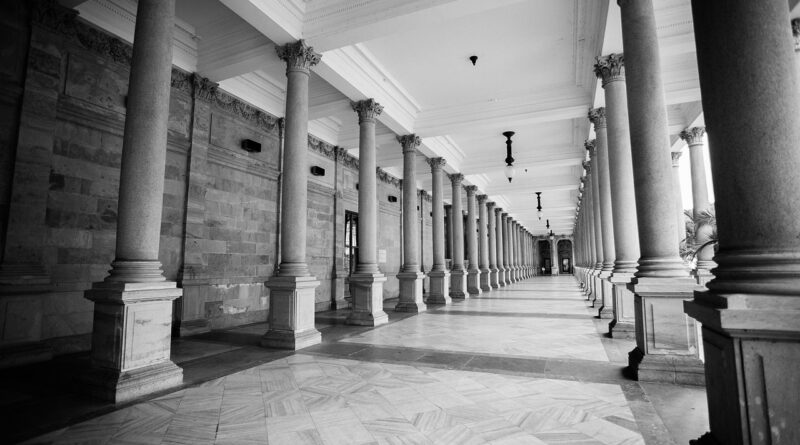
Public buildings often use styles that suggest trust, access, and long service life. Greek Revival, Beaux Arts, Neoclassical, Art Deco, and modern civic styles all appear in American public architecture. The GSA notes that Greek Revival became important for public buildings in the nineteenth century, partly because classical columns and temple fronts suggested democratic ideals. You may or may not like that message, but the lesson is practical. Public style starts speaking before anyone reaches the door.
How Do Cost, Market, and Remodeling Data Affect Style Choices?
Style can change cost in small but real ways. A simple box with a clean roofline is usually easier to frame than a house with many roof intersections, bay windows, dormers, and custom brackets. That does not mean plain buildings are always cheap or detailed buildings are always wasteful. It means every design move should have a reason and a budget line behind it.
Simple Forms Usually Keep Budgets Calmer
The NAHB Cost of Constructing a Home 2024 report, published in January 2025, found that construction costs made up 64.4% of the average sales price in its builder survey, while finished lot costs made up 13.7% and builder profit accounted for 11.0% before taxes. Since construction is such a large share, style decisions tied to framing, roofing, cladding, and windows should be priced early. A modern box can still be costly if it uses high-end glass and tight tolerances. A traditional home can stay within reason if the plan is compact and the details repeat.
Exterior Details Should Earn Their Keep
Exterior trim, porches, stone bases, brackets, shutters, and railings can add warmth. They can also add labor and future repair work. Before you approve a decorative feature, ask what it does visually and technically. Does it shade a window? Does it protect an entry? Does it break down a large wall or tie the building to the neighborhood? If the answer is only that it fills space, it may not be worth the future repainting and repair.
Remodeling Choices Need a Clear Goal
The 2025 NAR and NARI Remodeling Impact Report estimated that Americans spent $603 billion on home remodeling projects in 2024. It also reported high cost recovery for some practical exterior items, including a new steel front door at 100% in the report’s NARI estimate. For style decisions, the takeaway is simple: small, visible upgrades can carry real weight. A better entry door, proper exterior paint colors, and a clean roof edge may do more than forcing a whole house to look like it belongs to another century. See also: Building Layout.
How Should Climate and Sustainability Guide Style?
Climate should not be left until the end. Many historic styles grew out of sun, rain, wind, local materials, and available labor skills. When a style is copied without its climate logic, the result may look good in photos but perform poorly in use. That problem shows up fast in comfort, water control, and maintenance.
Local Climate Should Lead the Envelope
In hot, sunny regions, deep eaves, courtyards, shaded porches, light exterior colors, and controlled window placement often make sense. In cold regions, compact forms, protected entries, and good insulation become more important. A Spanish Colonial Revival look with stucco and red tile may feel right in parts of the Southwest. The same details can work elsewhere, but only if the wall assembly, drainage plane, and freeze-thaw risks are handled correctly.
Reused Buildings Hold Cultural Value
Keeping an older building can preserve character that new construction often struggles to copy. Adaptive reuse also helps familiar streets avoid feeling disposable. If you work with a historic structure, handle the strongest style elements with care: window rhythm, roofline, masonry openings, stairs, storefront proportions, and entry sequence. New work can be honest and modern while still respecting the older pattern. That mix often feels more natural than a forced imitation.
Low-Carbon Materials Need Early Planning
The UNEP and GlobalABC Global Status Report for Buildings and Construction 2024-2025 states that buildings account for 32% of global energy use and 34% of global carbon dioxide emissions, with materials such as cement and steel responsible for 18% of building-related emissions. This does not mean every project must look rustic or experimental. It means style should be planned together with structure, material quantity, durability, repair access, and energy use from the beginning. If those choices are left too late, the building may cost more and perform worse than expected.
How Can You Choose the Right Building Style?
The right style is usually the one that can deal with the site, the budget, the building code, and daily use. A mood board helps, but it is only a starting point. You still need a design direction that can be built well and maintained without ongoing regret. That is the part buyers and owners remember after the first photos are taken.
Start With the Site and Street
Look at neighboring rooflines, setbacks, tree cover, sun angles, views, noise, and local materials. A building does not need to copy its neighbors, but it should acknowledge that they exist. On a quiet street of low brick homes, a tall glass cube may need careful landscape buffers. In a dense urban block, a contemporary facade can work well if its ground floor respects pedestrian scale.
Match the Style to Daily Use
Before choosing the look, list how the building has to work. For a home, think about cooking, storage, pets, aging relatives, remote work, and muddy shoes by the door. For a commercial project, think about deliveries, signage, customer flow, staff areas, cleaning, and future tenant changes. A style that blocks daily function will keep bothering people long after the first compliments fade.
Keep Details Consistent Without Copying
Good style is consistent, but it should not feel like a costume. Before final design, use a short checklist and keep it practical:
- Choose one main architectural language and one supporting accent.
- Repeat window proportions instead of mixing too many shapes.
- Keep roof forms as simple as the design allows.
- Use materials that fit the climate and local labor market.
- Price the exterior details before the drawings go too far.
If you can explain why each major feature exists, the project will usually feel more natural. And yes, even a small porch light can throw off a facade if it is far out of scale. Small items can cause more trouble than people expect.
FAQ
Q1: What Are the Main Different Building Styles? A: Common styles include Colonial, Colonial Revival, Victorian, Craftsman, Prairie, Mediterranean, Spanish Colonial Revival, Art Deco, mid-century modern, modern, contemporary, industrial, and farmhouse-inspired designs. Many real buildings blend more than one style.
Q2: Which Building Style Is the Most Popular? A: There is no single verified public dataset that ranks every building style across all U.S. homes and commercial buildings. In practice, traditional, Colonial Revival, Craftsman, farmhouse-inspired, and contemporary styles remain common because they adapt well to modern plans and familiar materials.
Q3: Does Building Style Affect Construction Cost? A: Yes. Style can affect roof complexity, window sizes, exterior materials, trim labor, structural spans, and maintenance. A simple shape is often easier to build, while highly detailed styles need more skilled labor and closer coordination.
Q4: Can You Mix Two Building Styles? A: You can mix styles, but the result should feel planned. Keep the main form consistent, limit the material palette, and avoid adding random historic details to a modern plan unless the proportions support them.
Q5: How Do You Pick a Style for a New Building? A: Start with the site, climate, budget, function, and neighborhood context. Then choose a style that supports those facts rather than fighting them. A good building should look right, work well, and age with dignity.