
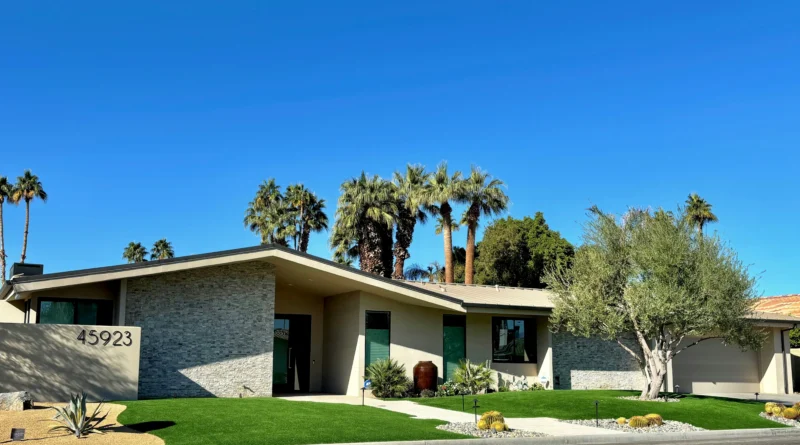
What Different House Styles Suit Small Spaces
Planning or picking a home for a tight plot can feel tough. You want comfort and some unique touch too. The idea of different house styles matters a lot here. The best pick can turn a small base into something that feels roomy, useful, and nice to look at. In building design, working with tiny areas is not about giving up things anymore. It’s about fresh ideas, good sizes, and smart ways to shape things. I recall a friend who squeezed a cozy spot into a narrow city yard, and it worked wonders just by choosing the right form.
How Can Modern House Styles Maximize Small Spaces?
Modern building has always linked to simple ways and good use of space. For tiny houses, this means wide-open setups, areas that do more than one job, and straight lines that let in plenty of daylight. This style picks stuff like glass and metal to blend inside and outside spots smoothly.
Open-Plan Living Concept
The open-plan setup gets rid of extra walls. It blends the kitchen, eating spot, and sitting area. This boosts air flow. It also makes the place feel bigger. Builders use half walls or smart furniture spots to mark off areas. They do this without blocking the view fully. Take a kitchen island, for instance. It splits cooking from relaxing. Yet it keeps the sight lines clear. In one project I heard about, this trick added a full extra room’s worth of feel without adding square feet.
Minimalist Aesthetic
Minimalism focuses on easy looks. It means less stuff, but each item counts. Built-in shelves take the place of big, heavy pieces. This keeps the floor clear. Soft colors like white or light tan boost the light. They make rooms seem wider. No fancy extras let you notice the shapes and feels better. It’s like clearing a cluttered desk—suddenly everything fits just right.
Integration with Nature
Big windows and sliding doors link the inside to outside patios or little yards. Even in busy city spots, this tie creates a fake sense of more room past the real walls. Adding plants via wall gardens or pots in corners softens the sharp edges common in modern builds. Picture a small balcony with vines climbing up; it pulls the green right into your daily view, making the indoors breathe easier.
Why Are Scandinavian Designs Ideal for Compact Homes?
Scandinavian homes stand for smart use and a warm feel. These traits fit small places just right. The style started in cold Nordic lands where sun is rare in winter. So, makers pushed for lots of light and snug vibes.
Functional Furniture Design
Scandinavian rooms use chairs and tables that handle more than one task. Think sofa beds, tables that stretch out, or seats with secret storage. Each item stays light but strong. This lets you shift things around when your needs change. For example, a bench by the wall might hide blankets and pull out for extra seating during family visits—practical for tight quarters.
Light-Filled Interiors
Daylight takes center stage here. Big windows stay bare or get thin curtains. This lets sun pour in. Light woods such as birch or pine bounce the rays around. They add a rough touch to plain rooms. In places like Sweden, folks swear by this for beating those long dark months; it works even in sunnier spots for a brighter mood.
Cozy Textures and Natural Materials
Thick wool rugs, soft linen drapes, and handmade pots add a touch you can feel. These natural bits stand out against smooth floors of concrete or plain white walls. They mix warmth with easy lines. It’s that soft rug underfoot on a chilly day that makes a small home feel like a hug, not a box.
What Makes Industrial Style Work in Small Urban Homes?
Industrial looks might come off as rough for tiny spots at first. But its honest edge fits well in small areas if you handle it with care. In cities like New York, old warehouses turned lofts show how this raw style thrives in tight urban setups.
Exposed Structural Elements
Rather than cover beams or pipes with walls, industrial rooms show them off. This cuts building costs. It also brings in fun textures, like metal next to brick or wood by concrete. The mix keeps eyes moving without needing much decor. One loft I visited had rusty pipes as art pieces—saved money and added grit.
Compact Loft Layouts
Lots of city flats borrow loft ideas from old factories. They add upper levels for sleeping over kitchens or work spots. This frees the bottom floor for living or desks. It’s a game-changer in stacked apartments where every foot counts. Stats from urban planners note lofts can double usable space in under 500 square feet.
Neutral Color Schemes
Industrial spots stick to plain colors like gray, black, or brown. These tie different stuff together in close areas. Small pops, such as copper lamps, add a warm glow without mess. This setup feels steady, not overwhelming, in a 300-square-foot pad.
How Does Japanese Architecture Inspire Efficient Small-Space Living?
Japanese houses earn praise worldwide for their strict space smarts. This comes from old ways that prize even balance and holding back.
Flexible Room Divisions
Sliding paper screens let rooms grow or shrink as needed. This works great for today’s small flats. One spot can act as a sitting area in the day. Then it turns into a sleep zone at night. In Tokyo’s crowded blocks, this keeps life flowing without walls boxing you in.
Connection Between Indoor and Outdoor Spaces
Even small Japanese places keep ties to nature. They use inner yards or tiny gardens known as tsuboniwa. These green bits bring calm. They also help air move through tight homes. Imagine a pebble path just outside your door—it turns a plain wall into a peaceful escape.
Craftsmanship and Simplicity
Care in details marks Japanese work. From tight wood fits to smooth shifts between bamboo floors and paper walls, it all fits without waste. This care keeps space tidy while looking good together. Craftsmen there spend hours on joints that last generations, a lesson for any small build.
Which Traditional Styles Can Be Adapted for Small Lots?
While new trends lead in city home sales, old building shapes can do well on tiny plots too. You just need to rethink them wisely. In suburbs, folks often mix these with modern tweaks for that timeless appeal.
Cottage Style Charm
Cottage places use sharp roofs and extra windows that poke out. These give personality without stretching the base wide. Built-in seats by windows store things too. They bring back fond memories of rural spots. A steep roof might catch rain well in wet areas, adding function to the cute look.
Bungalow Efficiency
One-floor bungalows focus on side-to-side movement. This suits skinny lots fine. Their broad front porches push living space outside. It’s handy in hot places where folks hang out in the open air. Picture barbecues on that porch—turns a small house into a social hub.
Colonial Compactness
Shrunk colonial plans keep even fronts but make inside paths simple. A middle stair sorts out walking routes neatly in tight sizes. This setup feels ordered, like in old East Coast towns where space was at a premium.
Can Tiny Houses Represent a Distinct Architectural Style?
Tiny houses go beyond just smaller regular homes. They carry a whole way of thinking about green living and standing on your own.
Space-Saving Innovations
From desks that fold away to beds that pull down, every bit has a job in a tiny house. Makers often build stairs with pull-out drawers below. Or they add racks up high for stuff you use now and then. In one model, a wall unit hides a full kitchen—neat for road trips or backyard setups.
Energy Efficiency Focus
Tiny sizes need less power to warm or cool than big houses. Many add sun panels or waste-turning systems. This matches goals for earth-friendly life (U.S. Department of Energy data 2023). Owners report bills dropping by half, a real win for budgets.
Mobility Options
Some tiny houses roll on trailers. This lets you move them without land tie-downs. It’s great for folks who work remote and crave change. Think parking by a lake one summer, then a mountain spot next—freedom in a nutshell, though zoning rules vary by state.
FAQ
Q1: What house style is most cost-effective for small lots?
A: Modern minimalist designs tend to be most cost-efficient due to straightforward construction methods and reduced material usage compared with ornate styles requiring custom detailing. In fact, builders say you can save up to 30% on basics this way.
Q2: Are traditional styles harder to adapt for urban environments?
A: Not necessarily; many architects reinterpret classic elements like pitched roofs or verandas using contemporary materials suited for city regulations while preserving historical charm. It’s common in places like Boston, blending old with new seamlessly.
Q3: How can natural light improve perceived space?
A: Ample daylight reduces reliance on artificial lighting and visually expands interiors by minimizing shadow contrasts—a principle supported by numerous architectural lighting studies (Journal of Interior Design 2022). One study even showed rooms feeling 20% larger with good sun.
Q4: Do industrial interiors always feel cold?
A: No; combining raw finishes such as exposed brick with warm wood tones balances aesthetics so even small lofts feel inviting rather than stark. Add a few throws, and it’s homey quick.
Q5: Is investing in a tiny home financially viable long-term?
A: It depends on local zoning laws and resale demand; however lower maintenance costs often offset initial customization expenses over time according to National Association of Home Builders 2023 report. Some owners break even in five years with smart planning.