

Which Building Styles in Architecture Fit Modern Projects Best?
How Do Building Styles in Architecture Shape a Better Project?
Choosing building styles in architecture is not only about how a building looks. It affects how the project reads from the street, how it deals with heat and rain, how people move through the plan, and how long the design can stay useful without feeling out of date. A small house, a city library, a boutique hotel, and a campus lab may all use brick, glass, timber, or stone, but the right style gives each project its own clear character.
A style is a design language. It covers roof shape, openings, structural rhythm, material choices, ornament, scale, and sometimes the values of a certain period. The U.S. National Park Service architecture program lists many recognized styles found across American places, including Colonial, Craftsman, Victorian, Prairie, Federal, Georgian, Greek Revival, Art Deco, Mid-Century Modern, and Spanish Colonial. That list is useful because it shows that style is not one fixed rulebook. It is a set of design cues that can be used with care. (nps.gov)
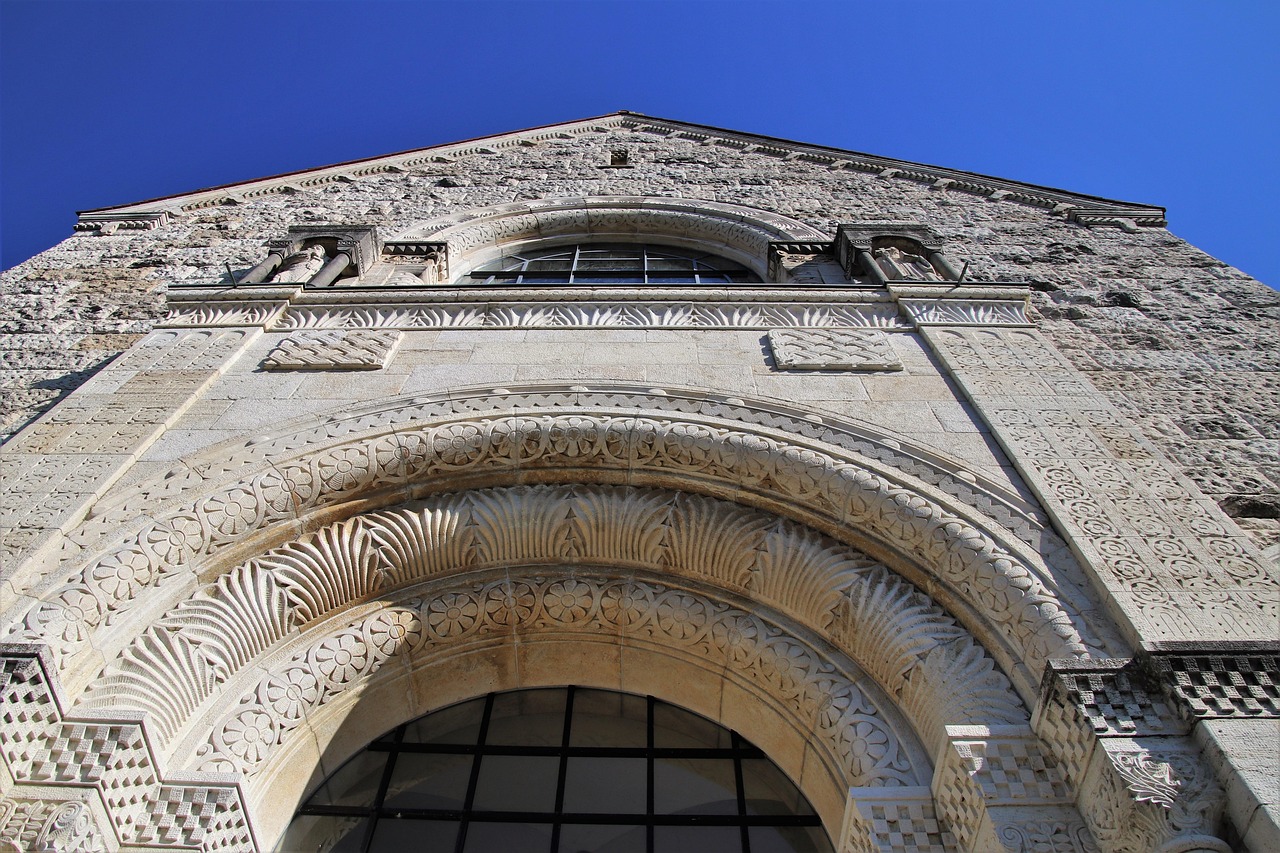
Style as a Design Language
When you choose a style, you choose how the building will speak to people. Classical styles often suggest order and public importance. Craftsman design feels more personal and hand-made. Modernism can feel clear, flexible, and simple. These reactions are not the same for everyone, but they do shape first impressions. A courthouse with a temple front and tall columns sends a different message than a timber visitor center set near the edge of a forest.
Style as a Climate Response
Good style choices are also practical choices. Deep eaves, shaded porches, thick walls, courtyards, high ceilings, and smaller window patterns often started as climate responses before people treated them as a look. A Spanish Colonial Revival approach, for example, often uses stucco, red tile, arches, and shaded openings, which can work well in warm and bright regions. Problems start when a team copies the image but does not check sun, rain, wind, or maintenance.
Style as a Market Signal
Style also tells buyers, tenants, guests, or visitors what kind of experience they may get. A boutique hotel using Art Deco geometry can suggest a city mood and a more polished stay. A farmhouse-inspired residence can feel familiar and relaxed. A glassy modern office can suggest speed and openness, but it can also bring questions about glare, heat gain, and privacy. The message should fit the project instead of working against it.
Which Historic Building Styles Still Work Today?
Historic styles still have value because they solved real design problems before mechanical systems and low-cost materials changed the building industry. You do not have to copy them like a film set or museum display. It is often better to borrow their proportions, shading, entry order, material discipline, and street presence. Some restraint is important here, because fake history is usually easy to spot.
Classical and Greek Revival Authority
Greek Revival became important across the United States during the nineteenth century, especially for public and domestic buildings. The U.S. General Services Administration notes that temple fronts, classical columns, and broad entablatures linked the style to democratic ideas from ancient Greece. If a civic building, museum, bank, or institutional project needs to feel steady and serious, this language can still do the work. The detailing has to be right, though. Thin foam columns and shallow pasted trim will not carry the same weight. (gsa.gov)
Colonial Revival Symmetry
Colonial Revival works well when the project needs a balanced, familiar, and residential feel. The GSA describes many Colonial Revival public buildings as brick structures with symmetrical facades, centered doors, fanlights or pediments, and double-hung sash windows. People can read those features quickly, which helps with comfort and wayfinding. For suburban homes, inns, schools, and town buildings, symmetry can settle a busy site and make the main entrance easy to find.
Craftsman Warmth and Detail
Craftsman design is still popular because it feels close to human scale. Low-pitched roofs, exposed rafters, wide porches, textured wood, stone bases, and built-in details can make a building feel cared for. This style suits homes, cabins, cafés, and small hospitality projects where the owner wants people to slow down. Costs can climb if every bracket, rail, and built-in piece becomes custom work. It helps to decide early which details matter most and which ones can stay simple.
Which Modern Building Styles Give You the Most Flexibility?
Modern styles often suit projects with changing needs because they focus on clear structure, open planning, and fewer fixed symbols. That does not mean a plain box is always the best answer. A good modern building still needs rhythm, shade, scale, and a strong link to the site. Without those basics, it can feel like a delivery container with better windows.
Mid-Century Modern Openness
Mid-Century Modern design is useful for homes, offices, schools, and hospitality spaces that need good daylight and easy indoor-outdoor flow. Large windows, low rooflines, simple framing, and natural materials can make rooms feel larger without adding floor area. On the practical side, solar orientation needs close checking from the start. Big glass in the wrong direction can cause glare and cooling problems, especially in hotter regions.
International Style Simplicity
The International Style favors volume, clean lines, flat roofs, glass, steel, and concrete. It can work well for offices, galleries, labs, and multi-family buildings where flexible interior planning matters. Its weak point is that it can feel flat or cold if the design is cut too hard. When the budget removes texture, landscape, and facade depth, the building may lose comfort. Shade fins, recessed entries, planted edges, and warmer interior materials can help. These moves keep the design sharp while making it easier to use every day.
Contemporary Mixed-Material Design
Contemporary architecture is less of a fixed style and more of a current way to combine performance, craft, and context. One project may use metal panels, mass timber, brick screens, green roofs, and large openings. This approach helps when strict historic labels do not fit the site or the brief. The main task is editing. Two or three main materials usually read better than six finishes competing for attention.
How Should You Match Building Style to Function?
A style should support how the building is used. That sounds basic, but many projects start with a saved image and only later deal with storage, structure, acoustics, service access, or daylight. Function does not work against beauty. It is the part that keeps the building comfortable after the first photos are taken.
Homes Need Comfort and Memory
Residential style has to handle daily life: muddy shoes, groceries, aging parents, pets, kids, guests, and quiet nights. A Tudor-inspired home may bring charm, but steep roofs and detailed masonry can raise costs. A modern courtyard house can give privacy on a tight urban lot. A Craftsman bungalow can make a small plan feel more generous. In many climates, the porch works like an extra room for part of the year.
Civic Buildings Need Trust
Libraries, courthouses, museums, and town halls need more than square footage. People need to understand where to enter, where to gather, and why the building matters. Classical, Art Deco, Romanesque Revival, and restrained contemporary styles can all work, depending on the place and budget. The GSA notes that its historic building portfolio reflects about 200 years of architectural design, from Federal and Greek Revival to Art Deco and 1950s to 1970s Modern. That range shows that civic trust can come from many design languages, not only columns.
Commercial Spaces Need Clear Identity
Retail, restaurants, offices, and hotels need a style that customers can remember. A brick industrial shell can suit a brewery. A refined modern facade can suit a design showroom. Spanish Colonial Revival may fit a resort in a region with Spanish heritage, especially where stucco, tile, arcades, and ironwork already belong in the local vocabulary. Style should help people find the door, understand the brand, and feel comfortable once they are inside. See also: Building Layout.
What Data Should Guide a Style Decision?
Style can carry emotion, but it should still respect measurable facts. Energy use, material demand, labor supply, and long-term maintenance all shape the real cost of a design. This is where a good-looking elevation needs input from engineers, contractors, and facility managers. A style choice is stronger when the numbers support it.
Energy Use Is a Design Constraint
The U.S. Energy Information Administration reported that in 2023, U.S. residential and commercial buildings accounted for about 27.6 percent of total end-use energy consumption, equal to about 20.6 quadrillion Btu. When electrical system losses were included, those sectors accounted for 36.9 percent of total U.S. energy consumption. The point is simple: walls, windows, roofs, shading, and form are not small details. They are energy decisions that affect comfort and operating cost. (eia.gov)
Commercial Buildings Carry Big Operating Costs
The EIA’s 2018 Commercial Buildings Energy Consumption Survey estimated 5.9 million U.S. commercial buildings, using 6.8 quadrillion Btu and spending 141 billion dollars on energy that year. Space heating accounted for close to one-third of end-use consumption. If the team is choosing between a glass-heavy style and a deeper, better-shaded facade, those figures should slow the decision down. It is better to model the building before everyone falls in love with the rendering. (eia.gov)
Carbon and Materials Shape the Bigger Picture
The 2025–2026 Global Status Report for Buildings and Construction from UNEP and GlobalABC states that buildings and construction represent 11 to 13 percent of global GDP and employ around 9 percent of the world’s workforce. The same report says the sector accounts for around 37 percent of global CO2 emissions and nearly 50 percent of global material extraction. So a style that uses less virgin material, lasts longer, and supports reuse is not only a matter of taste. It is tied to a much larger resource issue. (unep.org)
How Can You Choose a Style Without Making the Building Look Dated?
The safest design is not always the best one, but the loudest design often ages first. If a building needs to hold value, the style should fit the site, handle the climate, and use details for a reason. Trend-driven curves, random black cladding, or oversized glass corners may look current for a short time. After a few years, maintenance, comfort, and user feedback usually tell the real story.
Start With Place Before Image
Look at the street, sun path, local materials, nearby rooflines, and how people arrive. A coastal building may need corrosion-resistant materials and stronger storm detailing. A mountain lodge may need snow-shedding roofs and durable stone or timber bases. A dense urban infill site may need a quieter facade that does not fight its neighbors. Place should guide the style before mood boards take over.
Keep Proportions More Important Than Ornament
Good proportions tend to last through changes in taste. Window height, floor-to-floor rhythm, entry scale, roof pitch, and wall depth often matter more than trim. If the proportions are right, a simple building can feel well made. If they are wrong, expensive ornament may only make the problem more visible. This applies to both traditional and modern work.
Use Materials That Can Age Honestly
Brick, stone, timber, lime plaster, well-detailed metal, and high-quality concrete can gain character over time. Cheap imitation materials often fail in two ways. They do not look real at the start, and they usually weather poorly later. You do not need premium material in every corner. Put the best material where hands, weather, and public view hit the building most.
FAQ
Q1: What Are Building Styles in Architecture? A: They are recognizable design languages based on form, materials, proportions, roof shapes, openings, ornament, and historical context. They help you describe how a building looks and how it works.
Q2: Which Building Style Is Best for a Modern Home? A: It depends on climate, budget, site size, and lifestyle. Mid-Century Modern, Contemporary, Craftsman, and restrained Colonial Revival styles often work well because they can balance comfort, resale appeal, and clear planning.
Q3: Can You Mix Different Architectural Styles? A: Yes, but the mix needs control. Keep one main style, one supporting style, and a limited material palette. Too many references can make the project look confused instead of rich.
Q4: Do Historic Styles Cost More to Build? A: Sometimes. Complex roofs, custom millwork, masonry details, and specialty windows can raise costs. A simplified version with strong proportions can give the project character without copying every historic detail.
Q5: Should Energy Data Affect the Style You Choose? A: Yes. Window area, roof form, shading, insulation depth, and material choices all affect comfort and operating cost. A style should look right, but it also needs to perform in daily use.