
Are Kitchen Cabinet Designs Shifting Toward Wood vs White in 2026
Wood vs. White Kitchen Cabinets in 2026: What the Data Actually Shows
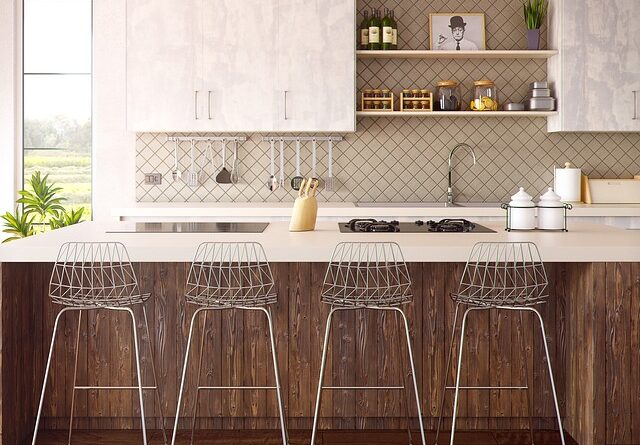
The data points to a clear shift: by 2026, natural wood finishes will surpass white cabinetry in both residential and commercial kitchen projects. While white remains a timeless choice for compact urban spaces, designers and homeowners increasingly favor wood for its tactile warmth, sustainability, and connection to nature. This evolution in kitchen cabinet designs reflects broader lifestyle changes—people want authenticity and texture over sterile perfection. The market’s direction is not just aesthetic but also economic and technological, shaped by supply chain realities, environmental standards, and digital fabrication tools that make customization accessible.
Emerging Aesthetic Directions in Kitchen Cabinet Design for 2026
The conversation around kitchen cabinet designs is no longer about color trends alone. It’s about how materials evoke comfort, reflect values, and adapt to evolving living patterns. The contrast between white and wood goes beyond surface appeal—it mirrors deeper cultural preferences for naturalness and emotional resonance.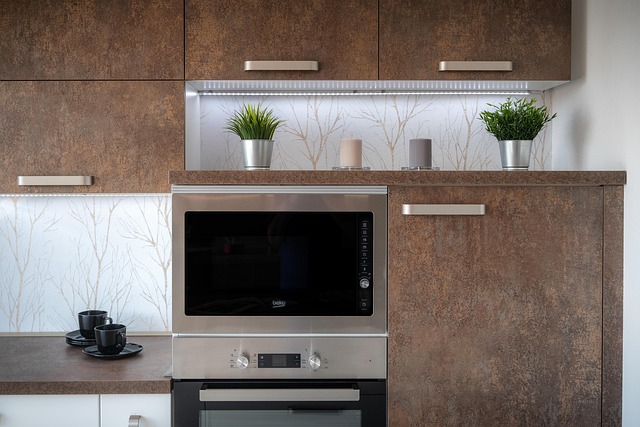
Assessing the Shift from White to Wood Finishes
Market data shows a gradual preference toward natural wood tones over traditional white finishes. This transition stems from consumers’ desire for authenticity—materials that feel real under the hand rather than coated or synthetic. Designers now integrate organic materials like oak, walnut, or ash to create spaces that look lived-in rather than showroom-perfect. The tactile quality of wood brings warmth that aligns with biophilic design principles emphasizing connection to nature. In practice, this means more visible grain patterns, fewer glossy lacquers, and a stronger emphasis on craftsmanship details such as dovetail joints or hand-sanded edges.
The Role of Minimalism and Texture in Modern Cabinetry
Minimalism remains dominant but has evolved from sterile uniformity into something more nuanced. Matte finishes and subtle grains are replacing high-gloss surfaces once associated with modern luxury. Textured veneers add depth without cluttering visual simplicity—a balance many high-end European brands now pursue. Hybrid designs are also gaining ground: combining painted matte panels with exposed wooden frames introduces contrast while maintaining restraint. This blend of simplicity and tactility defines the next phase of minimalist kitchen cabinet designs.
Material Innovations Influencing Cabinet Preferences
Material science continues to reshape cabinetry manufacturing as sustainability regulations tighten globally. Designers must now balance aesthetics with durability, cost control, and environmental compliance.
Advances in Sustainable Wood Alternatives
Engineered woods like MDF or HDF made from recycled fibers are becoming mainstream due to consistent supply chains and predictable pricing structures. Manufacturers increasingly adopt renewable sourcing methods certified by FSC or PEFC while using low-VOC finishes to reduce indoor emissions. New treatments—such as water-based sealants or UV-cured coatings—enhance durability without altering the natural look of wood surfaces. These innovations allow manufacturers to meet eco-label requirements without sacrificing design flexibility or performance longevity.
Technological Integration in Cabinet Manufacturing
Precision machining through CNC technology allows intricate detailing even in dense hardwoods or composite materials. This precision reduces waste while enabling bespoke joinery patterns previously reserved for handcrafted work. Smart coatings now resist fingerprints and moisture—an important feature for both white gloss cabinets and darker oiled woods used near sinks or cooktops. Digital visualization tools further transform client interactions; homeowners can preview material combinations at scale before production begins, minimizing costly revisions during installation.
Market Dynamics Driving Design Shifts
Behind every aesthetic trend lies consumer behavior shaped by lifestyle shifts and regional influences. Kitchens have become social hubs rather than isolated work zones, changing how cabinetry functions within open-plan layouts.
Consumer Behavior and Lifestyle Influence
Homeowners increasingly view kitchens as multifunctional living spaces where cooking blends with entertaining or remote work. Warm-toned woods resonate with this lifestyle because they evoke comfort similar to living room furniture rather than industrial utility zones. Biophilic design continues influencing material choices; oak or walnut promotes calmness through organic textures that mimic outdoor environments. However, white cabinetry still appeals strongly in compact apartments where brightness enhances spatial illusion—especially across Asia-Pacific urban markets where space efficiency remains critical.
Regional Variations in Design Adoption
Regional preferences reveal how cultural context shapes design adoption rates. In North America, rustic oak and walnut dominate due to growing appreciation for craftsmanship aesthetics tied to local woodworking traditions. European designers lean toward light ash or bleached woods paired with neutral stones for balanced modernism that feels airy yet grounded. Meanwhile, Asia-Pacific markets continue blending high-gloss whites with subtle wooden trims—a hybrid style reflecting both modern minimalism and traditional warmth.
Economic and Supply Chain Considerations Affecting Material Choice
Beyond taste lies economics: timber scarcity, trade policies, and certification costs all influence which materials manufacturers choose.
Cost Fluctuations in Natural Wood vs Synthetic Alternatives
Rising timber prices driven by global deforestation controls have pushed many producers toward engineered alternatives offering stable costs and reliable availability year-round. These synthetics replicate natural grain aesthetics while reducing dependency on imported exotic species affected by tariffs or export bans. For premium cabinetry makers targeting luxury segments, exotic veneers remain desirable but require strategic sourcing partnerships to mitigate volatility across supply chains.
Sustainability Certifications and Their Market Impact
Environmental certifications such as FSC (Forest Stewardship Council) or PEFC (Programme for the Endorsement of Forest Certification) play a growing role in consumer decision-making. Compliance demonstrates responsible forestry practices while enhancing brand credibility among architects adhering to LEED or BREEAM standards in green building projects. Transparent supply chains now act as competitive differentiators; manufacturers who disclose sourcing origins gain trust among specifiers seeking traceability from forest to finished kitchen cabinet designs.
Forecasting Future Trends Beyond 2026
Looking ahead, the future kitchen will merge tactile authenticity with technological precision—a synthesis of craft heritage and digital innovation shaping global design identity.
Integration of Mixed-Material Compositions
Expect continued experimentation mixing wood with metal frames or stone countertops integrated into cabinetry structures themselves. Contrasting tones like dark walnut against soft white panels will define transitional styles bridging classic warmth with modern clarity. These combinations cater to clients wanting visual balance between coziness and cleanliness without committing fully to one aesthetic camp.
Influence of Global Design Movements on Kitchen Spaces
Global cross-pollination drives stylistic evolution: Scandinavian simplicity meets Japanese minimalism’s discipline while borrowing Mediterranean warmth through textured finishes like limewash oak or terracotta accents. Designers increasingly emphasize emotional resonance through authentic materials rather than uniform surfaces—kitchens that feel personal yet universally appealing across cultures adopting sustainable luxury ideals.
FAQ
Q1: Why are wood finishes becoming more popular than white cabinets?
A: Consumers value warmth, texture, and sustainability over sterile uniformity; natural woods deliver these qualities while aligning with biophilic design trends promoting comfort at home.
Q2: Are engineered wood cabinets durable enough for long-term use?
A: Yes, modern composites treated with advanced coatings resist moisture and wear effectively while maintaining stable dimensions compared to solid timber under humidity changes.
Q3: How do sustainability certifications affect pricing?
A: Certified materials often cost slightly more due to traceability requirements but increase resale value by appealing to environmentally conscious buyers seeking verified sourcing integrity.
Q4: Will white cabinets disappear entirely from future designs?
A: Unlikely; they remain essential for small-space layouts needing brightness though their dominance will decline as mixed-material aesthetics gain traction globally.
Q5: What technologies most influence future kitchen cabinet manufacturing?
A: CNC precision cutting combined with digital visualization software enables mass customization at reduced waste levels while smart coatings extend surface lifespan across all finish types.