
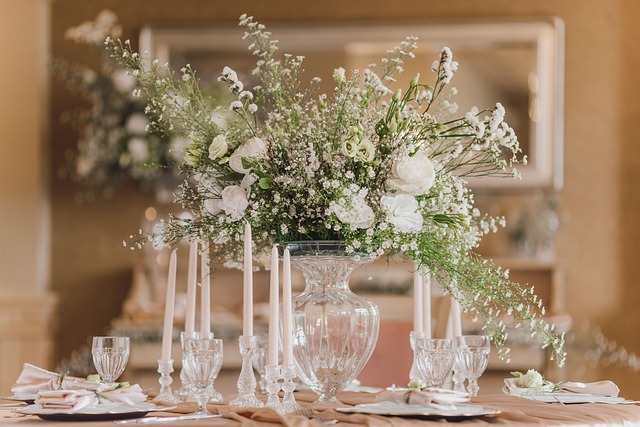
What Makes a Centerpiece for Table the Focal Point of Dining Elegance
What To Put In The Middle Of A Dining Table, Easy Centerpiece Ideas
A dining table’s centerpiece is more than decoration—it’s the anchor of the entire dining experience. The best centerpiece for table design balances form and function, drawing attention without blocking sightlines or conversation. Whether it’s a sculptural vase, a cluster of candles, or a seasonal arrangement, the goal remains the same: to unify the setting while expressing personality. Modern trends favor clean lines, natural materials, and adaptable designs that evolve with seasons or occasions. In expert terms, a well-curated centerpiece transforms an ordinary meal into an aesthetic event.
The Concept of a Table Centerpiece as a Design Anchor
A table centerpiece defines how guests perceive space and atmosphere. It acts as both a visual statement and a compositional tool that guides balance and proportion across the dining surface.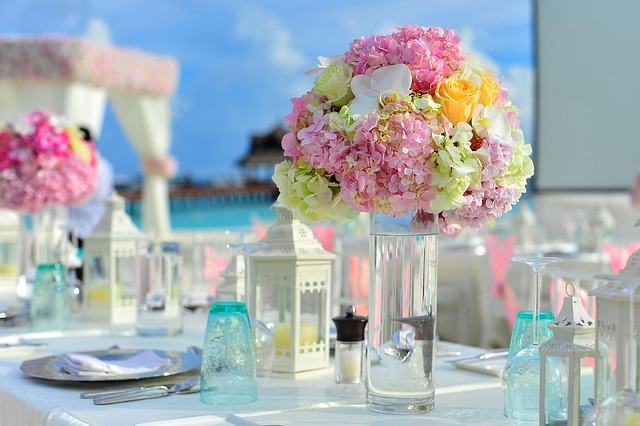
Defining the Role of a Centerpiece in Dining Aesthetics
A centerpiece serves as the visual anchor that unifies all design elements on a table. It helps maintain proportional relationships among plates, cutlery, and glassware while grounding the overall layout. Designers often treat it as the pivot around which rhythm and harmony revolve. Functionally, it signals the host’s style—whether minimalist or ornate—and sets expectations for formality and tone.
Historical Evolution of Table Centerpieces
Historically, centerpieces symbolized wealth and hospitality through elaborate floral or metallic displays in royal courts and aristocratic homes. Over centuries, this evolved into more personal expressions—Victorian arrangements gave way to mid-century ceramics and today’s sculptural simplicity. Cultural influences remain strong: Japanese ikebana emphasizes asymmetry and restraint, while Mediterranean settings often feature fruit bowls or oil lamps reflecting abundance.
Elements That Establish a Centerpiece as the Focal Point
Designers achieve visual dominance through calculated spatial strategies rather than ornamentation alone. The goal is to create focus without cluttering interaction zones.
Visual Hierarchy and Spatial Dominance
Placing the piece at the geometric center naturally draws attention while maintaining symmetry. Height plays a critical role; too tall disrupts sightlines, too low loses presence. Professionals recommend varying scale subtly—taper candles beside low florals—to keep depth without obstruction. Contrast in color or texture further enhances hierarchy yet keeps cohesion with surrounding tones.
Materiality and Craftsmanship
Material selection defines mood: glass conveys clarity, metal adds sophistication, ceramics feel grounded, while organic matter introduces warmth. Handcrafted details signal exclusivity; even minor imperfections add authenticity valued in modern interiors. Increasingly, sustainable materials—like reclaimed wood or recycled glass—reflect ethical awareness in design practice.
The Interplay Between Functionality and Aesthetics
The most effective centerpieces merge beauty with usability. They must coexist with dining activity rather than dominate it.
Balancing Practical Use with Artistic Expression
A centerpiece should never hinder conversation or service flow. Compact modular designs allow quick rearrangement for multiple uses—from dinner parties to casual brunches. Integrating subtle lighting within arrangements can elevate ambiance during evening meals while preserving practicality.
Seasonal and Thematic Adaptability
Dynamic styling keeps tablescapes fresh through seasons. Spring may call for tulips in ceramic vessels; autumn favors dried foliage in bronze bowls. Rotating key components instead of replacing entire setups maintains coherence over time. For holidays or cultural events, symbolic motifs—like lanterns for Lunar New Year—add emotional resonance without excess decoration.
Design Principles Guiding Centerpiece Composition
Every successful composition follows foundational principles rooted in proportion and rhythm rather than trend-driven aesthetics.
Proportion, Rhythm, and Repetition in Arrangement
The relationship between centerpiece size and table dimension dictates harmony; typically one-third of table width achieves balance. Repeating shapes—round candles echoing circular plates—creates rhythm across surfaces. Layering heights adds depth but should stop short of visual noise; restraint is often more powerful than abundance.
Color Theory in Tabletop Design
Color coordination influences mood directly: warm hues invite intimacy; cool tones suggest calm refinement. Accent colors highlight focal areas such as napkin rings or floral centers that match dinnerware trims. Neutral bases like beige linens allow flexibility for evolving palettes throughout different seasons or events.
Contemporary Trends in Table Centerpiece Design
Modern interiors prioritize simplicity with tactile richness over ornate complexity—a shift reflecting broader lifestyle minimalism.
Minimalism and Sculptural Simplicity
Current trends emphasize clean geometry and negative space rather than dense ornamentation. A single sculptural object—a stone bowl or abstract vase—often replaces layered florals yet achieves equal impact through form integrity. Natural materials like wood grain or unpolished marble evoke organic luxury suited to contemporary homes.
Integration of Technology in Modern Dining Decor
Smart lighting systems now extend beyond ceiling fixtures into table-level illumination with adjustable warmth settings enhancing mealtime atmosphere. Some designers experiment with kinetic centerpieces using gentle motion sensors to engage guests subtly—a merging of art installation sensibility with domestic use. Digital fabrication allows bespoke pieces tailored precisely to client dimensions or brand identity within hospitality spaces.
The Psychological Impact of a Well-Composed Centerpiece
Beyond aesthetics lies emotional influence—the way objects shape social behavior at shared tables.
Influence on Dining Experience and Social Interaction
A thoughtfully composed centerpiece creates invitation: guests linger longer when ambiance feels balanced yet stimulating. Symmetry communicates order which subconsciously relaxes participants during meals where conversation flows freely around unobstructed sightlines.
Symbolism and Emotional Resonance in Design Choices
Objects placed at the center often carry symbolic weight—a candle for unity, flowers for renewal, ceramics representing craftsmanship lineage. Embedding cultural references subtly acknowledges heritage without overt display while personalization strengthens emotional connection between host environment and attendees.
FAQ
Q1: What makes an ideal centerpiece for table design?
A: It should unify visual elements while allowing easy interaction across diners; scale proportionate to table width ensures harmony without blocking views.
Q2: How tall should a dining table centerpiece be?
A: Typically under 12 inches for seated dinners so conversation remains unobstructed; taller pieces suit buffet-style setups where eye contact matters less.
Q3: Are natural materials better than synthetic ones?
A: Natural materials like wood or stone add tactile warmth but high-quality synthetics can mimic them effectively if durability is priority.
Q4: How often should one change their centerpiece?
A: Seasonally is practical—four times yearly keeps freshness aligned with environmental cues such as blooms or lighting shifts.
Q5: Can technology enhance dining decor?
A: Yes, smart lighting integrated into centerpieces adjusts color temperature dynamically to complement food presentation and overall ambiance efficiently.