
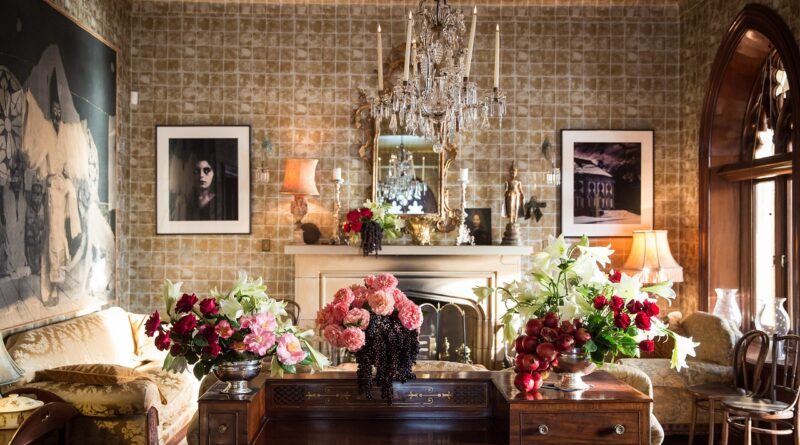
Behind sofa wall decor ideas that get scale, height, and style right
Start with proportion before choosing a style
Behind sofa wall decor works best when it feels connected to the sofa, not stranded above it. A reliable starting point is to size the total width of the artwork, gallery wall, shelf, mirror, or paneling arrangement at about two-thirds to three-quarters of the sofa width. Keep the bottom edge roughly 6 to 10 inches above the sofa back, then adjust for ceiling height, frame size, and how the room is used. This guide starts with layout decisions before moving into style, so the wall reads as planned rather than simply filled.
The wall behind a sofa is often one of the most visible surfaces in a living room. It frames the seating area, affects the room’s sense of height, and may be the first wall seen from an entry, hallway, or open kitchen. For that reason, the strongest behind sofa wall decor ideas usually begin with scale and alignment rather than the decorative object itself.
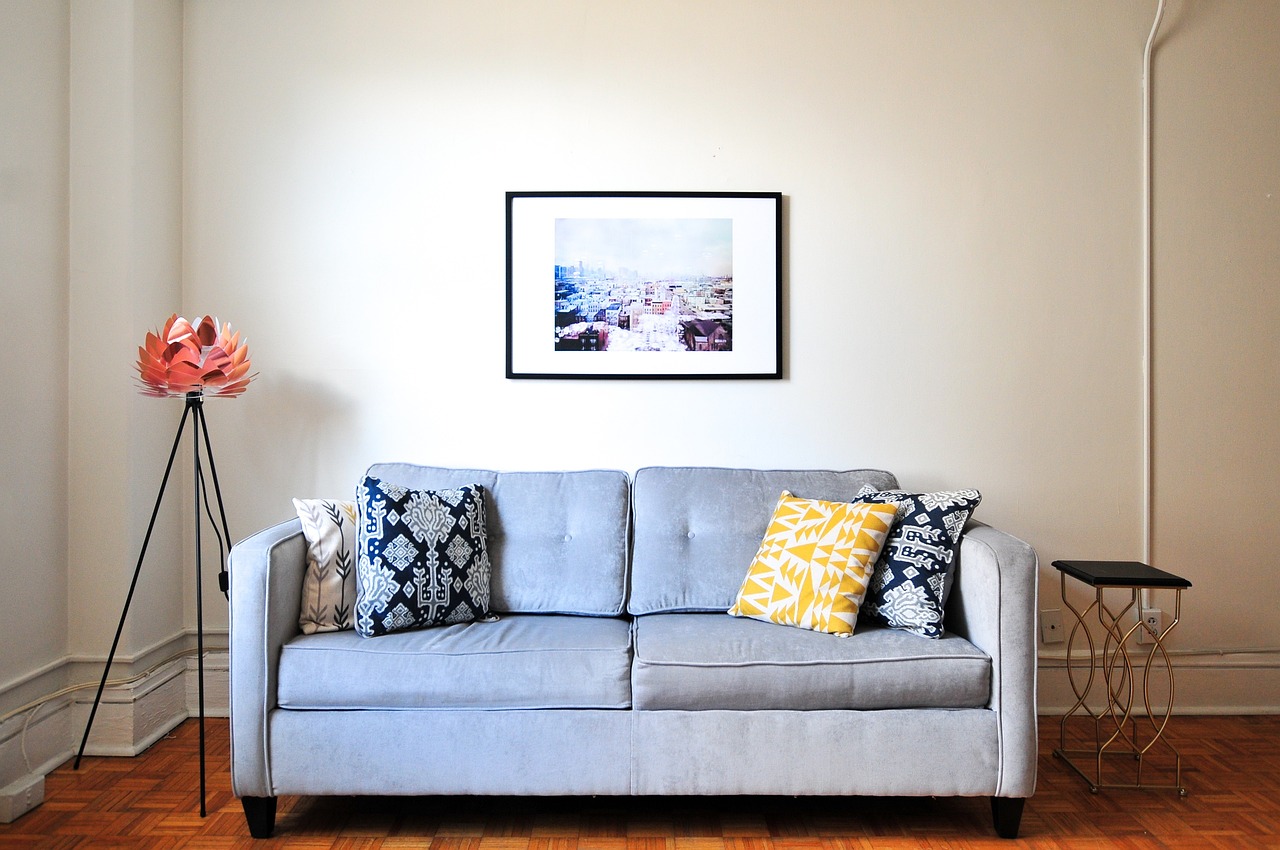
Interior design guidance often refers to eye-level hanging, commonly around 57 to 60 inches to the visual center of an artwork or grouping. Over a sofa, the furniture relationship matters just as much. If the sofa back is high, the bottom gap may determine the final hanging height more than the eye-level rule. Treat the sofa and the wall decor as one composition.
Measure the sofa, wall, and viewing distance
Before buying art or installing shelves, take three measurements: sofa width, wall width, and the distance from the sofa to the main viewing point. These numbers help prevent a common problem: decor that looks good on its own but feels too small for the furniture or too crowded for the room.
Use the table below as a planning guide, not a rigid rule. A slim frame, a bold mirror, and a dense gallery wall can feel very different even when they share the same overall width.
| Sofa width | Suggested decor width | Works well for |
|---|---|---|
| 72 inches | 48 to 54 inches | One large artwork, two medium frames, or a compact gallery wall |
| 84 inches | 56 to 63 inches | Triptych, wide canvas, mirror, ledge arrangement, or textile |
| 96 inches | 64 to 72 inches | Large statement piece, long shelf, grid gallery, or wall paneling zone |
| 108 inches | 72 to 81 inches | Oversized art, layered ledges, architectural panels, or paired sconces |
In small apartments, keeping the arrangement closer to the two-thirds mark can stop the wall from feeling heavy. In larger rooms or open-plan spaces, moving toward three-quarters of the sofa width can help the seating area hold its scale against taller ceilings and longer sight lines.
Also check how the sofa sits in the room. If the sofa is centered on the wall, center the decor on the sofa. If the layout is asymmetrical, such as a sectional with a chaise or a sofa placed near a window, center the decor on the visual seating zone rather than the full architectural wall. That usually looks more intentional from the places where people actually sit and walk through the room.
Choose a layout that fits the room’s architecture
There is no single correct type of behind sofa wall decor. The right choice depends on wall size, ceiling height, natural light, traffic flow, and whether the room already has strong architectural detail. Start with the condition of the wall, then choose the approach that solves the design problem in front of you.
Use one large artwork for clarity
A single large artwork is often the cleanest solution for a modern living room, a room with patterned upholstery, or a space where the sofa already carries several pillows and throws. It creates one focal point and reduces visual noise. This works especially well when the sofa is low and long because the artwork can echo that horizontal line.
Choose a frame or canvas large enough to relate to the sofa. If the piece is a little small, a wide mat or oversized frame can help. There is a limit, though: a tiny image in a large frame may still feel under-scaled if the image itself has little visual presence.
Build a gallery wall when the room needs personality
A gallery wall is useful when the living room needs story, color, or a more collected feel. It can include prints, photographs, drawings, small textiles, and objects, but it still needs to read as one composition. Keep spacing consistent and usually tighter than expected. Two to three inches between frames often looks more deliberate than large, uneven gaps.
Plan the gallery wall on the floor first, or tape paper templates to the wall before making holes. Size the outer edge of the full grouping to the sofa, not just the largest frame. The arrangement does not need to be perfectly symmetrical, but it should have a stable visual center.
Try a mirror when light or depth is the priority
A mirror behind a sofa can reflect daylight, visually expand a narrow room, or connect the seating area to another attractive view. It is not always the best choice. If the mirror reflects a ceiling fan, a cluttered kitchen, a blank hallway, or television glare, artwork may be a stronger option.
In a traditional room, a framed mirror can work like architectural punctuation. In a contemporary room, a large rounded rectangle or soft-edge mirror can balance the straight lines of the sofa. Avoid placing a mirror so low that seated people mainly see their own movement. The reflection should improve the room, not distract from it.
Add shelves only when they can be styled safely
Floating shelves and picture ledges add depth, but they need extra care behind seating. Keep heavy, fragile, or unstable objects away from the wall area directly above people’s heads. Use anchors suited to the wall type and follow the shelf manufacturer’s load guidance. The U.S. Consumer Product Safety Commission’s Anchor It campaign also emphasizes anchoring furniture with drawers, doors, and shelves to reduce tip-over risks, which is especially relevant when bookcases or tall storage pieces are used near a sofa.
Picture ledges are usually a better choice than deep display shelves behind a sofa because they keep objects flatter to the wall. They also make it easier to change art or accessories seasonally without adding new holes.
Use material and texture to avoid a flat wall
Not every behind-sofa wall needs framed art. Texture can be more effective when the room already has plenty of color or when the architecture feels plain. Wood slats, picture-frame molding, limewash-style paint effects, woven textiles, acoustic panels, and upholstered wall panels can all add depth without crowding the room.
The American Society of Interior Designers’ 2025 Trends Outlook described broader residential design priorities around wellness, sustainability, technology integration, and cultural storytelling. For a living room wall, those themes can translate into more layered, personal, and tactile choices rather than purely decorative filler. A handmade textile, responsibly sourced wood panel, vintage frame collection, or artwork connected to place can make the wall feel more specific to the home.
Texture also helps when the sofa sits against a long blank wall. A large painted rectangle, shallow molding grid, or vertical panel field can define the seating zone without requiring oversized artwork. In rentals, removable wallpaper, fabric hangings, and leaning framed art on a picture ledge can create a similar effect with fewer permanent changes. See also: Building Styles.
When mixing materials, repeat at least one element already present in the room. If the coffee table has black metal legs, a thin black frame can connect the wall to the furniture. If the room includes warm oak, a light wood frame or slat detail can help the sofa wall feel integrated rather than separate.
Coordinate color with the sofa and the whole room
Behind sofa wall decor does not need to match the sofa exactly. It should relate to the room’s palette while adding enough contrast to be seen. A beige sofa against a beige wall often needs darker frames, textured art, or a stronger shape. A dark green or charcoal sofa may benefit from lighter art, brass accents, pale wood, or a mirror so the wall does not feel too heavy.
One practical method is to assign three color roles: a base color from the room, an accent color from pillows or rugs, and a contrast color that gives the wall definition. For example, a cream sofa with a rust rug and walnut tables could work with warm neutral art, small rust details, and dark wood frames. A blue sofa in a bright room could pair with off-white mats, muted blue-gray prints, and black or oak frames.
Pay attention to undertones. Cool white walls can make warm cream prints look yellow. Warm greige walls can make blue-gray artwork appear sharper. If possible, view samples in the room at different times of day before committing to a large piece.
For more room-by-room design planning, the Furniture & Decor section covers related ideas for furniture placement, surfaces, and decorative details.
Layer lighting without creating glare
Lighting can make behind sofa wall decor feel finished, but it should be planned around comfort. Picture lights, plug-in sconces, wall washers, and nearby floor lamps can all work. The goal is to reveal texture and shape without shining into seated eyes or reflecting harshly from glass frames.
If you are using framed art with glass, check reflections from windows, ceiling lights, and the television. Non-glare glazing can help, but placement matters more. A piece that reflects the brightest window all afternoon may become frustrating, even if it looked right in a product photo.
Paired sconces can frame a sofa neatly, especially with a mirror, large artwork, or paneling. Place them far enough from the seating area that shoulders and heads will not bump into them. In apartments where hardwiring is not practical, plug-in sconces or rechargeable picture lights can create a similar layered effect.
Lighting temperature matters as well. Warm white light usually flatters living rooms better than very cool light. If the room is used for reading, watching television, and conversation, dimmable lighting gives the wall more flexibility throughout the day.
A practical checklist before you hang anything
Before making holes in the wall, step back and test the plan. Many behind-sofa wall decor problems can be solved with painter’s tape, cardboard templates, and a few minutes of measuring.
- Confirm the decor grouping is roughly two-thirds to three-quarters of the sofa width.
- Keep the bottom edge about 6 to 10 inches above the sofa back unless the artwork size requires a small adjustment.
- Treat multiple frames as one composition and align the visual center, not every individual frame.
- Check that the wall decor is centered on the seating zone, not automatically on the full wall.
- Use anchors and hardware appropriate for the wall material and the object’s weight.
- Avoid heavy objects, unstable ceramics, or deep shelves directly over people’s heads.
- Look at the wall from the main doorway, adjacent seating, and the sofa itself.
- Check reflections and glare in daytime and evening lighting conditions.
If the arrangement still feels wrong after the measurements check out, the issue may be visual weight rather than size. A thin black frame reads differently from a chunky wood frame. A pale abstract print feels lighter than a high-contrast photograph. A mirror can feel larger than its dimensions because it reflects the room. Use the measurements as a starting point, then adjust for what the eye actually sees.
Frequently asked questions
What should I put on the wall behind a sofa?
Strong options include one large artwork, a gallery wall, a mirror, picture ledges, wall molding, wood slats, textile art, or a pair of sconces. Choose based on the room’s need: art for focus, a gallery wall for personality, a mirror for light, shelves for flexible styling, and paneling for architectural depth.
How big should behind sofa wall decor be?
As a practical starting point, make the total decor width about two-thirds to three-quarters of the sofa width. For an 84-inch sofa, that suggests a decor arrangement about 56 to 63 inches wide. The final choice can vary with ceiling height, frame thickness, and visual weight.
How high should art hang above a sofa?
Keep the bottom of the art or grouping roughly 6 to 10 inches above the sofa back. The visual center often lands near the common 57 to 60 inch eye-level range, but above a sofa the furniture relationship is the priority. Very tall rooms may need slight adjustment, but avoid pushing art close to the ceiling.
Should wall decor be centered on the sofa or the wall?
In most rooms, center the decor on the sofa or seating zone. Centering on the full wall can look awkward if the sofa is intentionally offset because of a window, fireplace, walkway, or sectional layout. The viewer usually reads the sofa and wall decor together.
Can I use shelves behind a sofa?
Yes, but use shallow shelves or picture ledges, proper anchors, and lightweight objects. Avoid heavy decor directly over seating. If using tall storage or bookcases near the sofa, follow anti-tip guidance and anchor furniture where required by the manufacturer.