
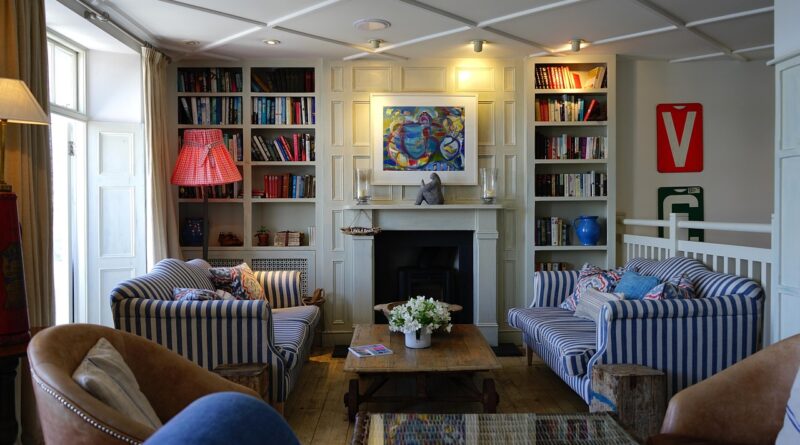
How Can Bookcase Decor Make Your Home Look More Expensive?
Why Does Bookcase Decor Change a Room So Quickly?
Bookcase decor can change a room fast because it sits where people look first. It fills wall height, shows how the home is used, and gives loose items a proper place. If you are planning a full room refresh, check what you already have before buying more, then look through Furniture & Decor for ideas that fit the room. A bookcase is not only for storage. It can hold books, art, ceramics, baskets, plants, and a few small pieces that would not work well on a coffee table.
Well-arranged shelves also help guests and buyers understand a room sooner. The National Association of Realtors 2025 Profile of Home Staging reported that 83% of buyers’ agents said staging made it easier for a buyer to picture a property as a future home, and the living room was among the most commonly staged spaces. This matters because many bookcases are placed in living rooms, family rooms, and home offices, where people form an opinion in the first few minutes. (nar.realtor)
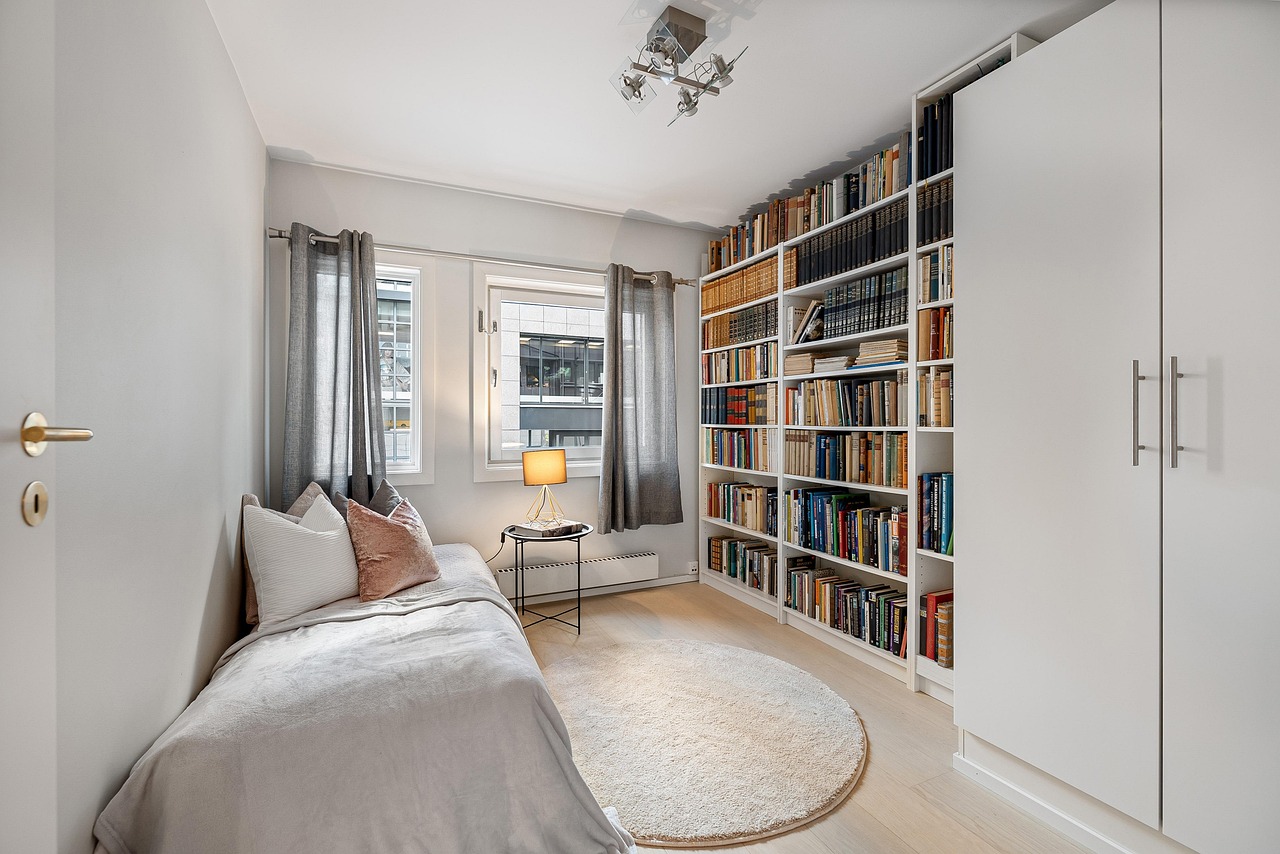
It Builds a Clear Focal Point
A tall bookcase gives the eye a clear place to stop. Instead of putting small decor on every table and cabinet, you can let one wall carry most of the display. Put the main pieces on the middle shelves, usually between waist height and eye level. A framed print, a large bowl, or a stack of oversized books can be the anchor, while smaller items sit around it and support the look. The room feels more settled when the focal point is easy to see.
It Shows Scale Better Than Empty Shelves
Empty shelves can make even a custom bookcase look unfinished. Shelves packed from end to end can make the room feel crowded. A mix of large, medium, and small items gives the bookcase better scale and makes the wall easier to read. Try one larger piece on every other shelf, then place books and smaller accents around it. This simple pace makes the shelf look arranged, not filled in a rush before people come over.
It Connects Storage With Daily Life
The best shelves do not look like a store display. They look used, but still in order. A stack of travel books beside a small stone bowl, a family photo near a reading lamp, or a basket for remote controls gives the bookcase a real job. That mix of order and daily use makes the room feel warmer. Shelves that look too perfect can feel stiff, as if nobody is allowed to touch them.
What Should You Put on a Bookcase First?
Start with the items that carry the most visual weight. This makes the rest of the work easier because the small pieces then have a clear role. You do not need a long shopping list. In many homes, good bookcase decor comes from books, framed photos, pottery, boxes, trays, and one or two sculptural pieces already sitting in another room.
Books as the Visual Backbone
Books should usually go in first because they give the shelf structure. Stand some upright, stack some flat, and do not line up every book like a library unless that is the style you want. Horizontal stacks are useful because they work like small platforms. A candle, small vase, or brass figurine often looks more placed when it sits on three to five books instead of sitting alone on a wide shelf.
Art and Framed Photos at Eye Level
Framed pieces add height and make the shelf feel personal. Lean a small print against the back of the shelf, then place books or a ceramic piece in front of one corner. This gives the shelf depth without using too many objects. Family photos usually look cleaner when the frames share a similar finish, such as black, oak, or slim metal. Too many frame styles can make the shelf look like a hallway collage, which can work in some homes but not in every room.
Objects With Shape, Weight, and Memory
Choose objects with different shapes so the shelf does not feel flat. A round vase can soften a row of square books, and a low bowl can break up tall vertical lines. A handmade object, even with an uneven glaze, often feels more natural than a full set of matching accessories. If an item has a story, it usually deserves a place. If it is there only because the color matches, it may not stay on the shelf for long.
How Do You Style Shelves Without Making Them Look Cluttered?
Clutter starts when every inch of a shelf tries to stand out. A good shelf needs both filled areas and quiet areas. There is no reliable public data showing that one fixed number of items per shelf works for every home, so treat styling formulas as a starting point, not a rule. The aim is not a perfect grid. The aim is a bookcase that looks good from the doorway and still works when you stand close to it.
A Simple Rhythm of Tall, Medium, and Small
Use a loose three-part rhythm on each shelf. Add one tall piece, one medium group, and one small accent. For example, place upright books on the left, a lidded box in the middle, and a small vase on the right. On the shelf above it, switch the layout so the weight does not sit in the same place. This keeps the bookcase from looking stacked and heavy. Your eye should move across the shelves without seeing the same shape again and again.
Negative Space That Lets Each Piece Breathe
Negative space is just the empty area around objects. It can feel like wasted space at first, especially when you need storage, but it helps the better pieces stand out. Leave small gaps beside art, above a bowl, or at the end of a row of books. In a small apartment, even two inches of space can make shelves feel less crowded. It is a small detail, but people notice it when the whole wall feels lighter.
Color Repetition Across the Whole Case
Pick two or three colors and repeat them across the bookcase. Warm white, walnut, and black can look clean and built-in, while cream, terracotta, and sage feel softer. You do not need to color-code every book. In many rooms, very strict color sorting looks more staged than personal. Instead, repeat tones through book spines, vessels, frames, and woven storage. That repeated color is what ties the wall together.
Which Bookcase Decor Ideas Work for Small Rooms?
Small rooms need shelves that pull the eye up and hide small items that create visual noise. This is where bookcases can do useful work. The 2026 U.S. Houzz and Home Renovation Trends Study found that 52% of homeowners reported decorating in 2025, and the median spend for living room renovation rose to $5,000 from $4,000 the year before. Even without a renovation, shelf styling can give a living room a clear update at a much lower cost. (houzz.com)
Vertical Lines That Lift the Wall
Use tall items to guide the eye upward. Upright books, slim vases, framed art, and vertical boxes can make a low ceiling feel less tight. Keep heavier pieces on the lower shelves and lighter pieces higher up. If your bookcase stops below the ceiling, leave the top clean or add one long, low basket. Avoid lining up tiny objects on top because they can make the room look dusty and cramped.
Baskets and Boxes for Quiet Storage
Closed storage helps a lot in a small room. Woven baskets, fabric boxes, and lidded containers can hide cables, toys, chargers, paperwork, and all the small things that never seem to have a fixed place. Choose containers in similar tones so the shelf reads as one clean surface. A mix of five different basket styles can look busier than the clutter you were trying to hide.
Mirrors, Glass, and Light-Colored Objects
Reflective and pale pieces can make small shelves feel lighter. A small mirror leaned against the back of a shelf can catch window light. Clear glass vases add shape without adding much visual weight. Cream ceramics, pale stone, and light wood also work well. Be careful with too many shiny pieces, though. One mirror can look considered, while six shiny objects can start to feel like a shop window. See also: Building Styles.
How Should Safety and Materials Guide Your Choices?
Style should not work against safety. A good-looking bookcase still has to be stable, especially in homes with children, pets, or older adults. The U.S. Consumer Product Safety Commission 2023 Annual Tip-Over Report, published in February 2024, estimated 3,100 annual emergency department treated injuries from 2020 to 2022 involving shelving, shelving units, and bookcases across all ages. That is a clear reason to anchor tall pieces and keep heavy decor low. (cpsc.gov)
Wall Anchoring for Tall Furniture
Any tall or narrow bookcase should be fixed to the wall with anchors suited to the wall type. Drywall, plaster, masonry, and studs need different hardware, so follow the furniture maker’s instructions or ask a qualified installer. The CPSC report also found that among known furniture-related child fatality scenarios, climbing was involved in most cases. A styled shelf should not make climbing look inviting, and it should not tip if someone pulls on it. (cpsc.gov)
Low-VOC Finishes and Easy Dusting
Materials matter because shelves hold books, textiles, and objects that collect dust. The U.S. Environmental Protection Agency notes that people spend about 90% of their time indoors, and that furnishings and consumer products can affect indoor air quality. If you are buying new shelves or painted accessories, look for low-odor finishes, let the pieces air out, and keep the shelves easy to wipe. A shelf can look good without making the room feel stuffy. (epa.gov)
Weight Placement From Bottom to Top
Keep the heaviest books, stone objects, storage boxes, and large planters on the lower shelves. Middle shelves can hold art, lighter books, and decorative vessels. Upper shelves should stay light in both look and weight. This layout makes the bookcase feel grounded and also makes cleaning easier. If a piece is hard to lift above shoulder height, it usually belongs lower. Your back will know the difference, even if the piece looked good up high for a moment.
What Are the Best Styling Formulas for Different Rooms?
Each room needs a slightly different shelf plan. A living room can take stronger display pieces. A home office needs more order. A bedroom usually works better with soft textures and fewer hard shapes. Use the same basic shelf rules, then adjust them to the way the room is used. When the bookcase supports daily habits, it feels natural instead of looking decorated for one photo and then forgotten.
Living Room Shelves With Conversation Pieces
Living room shelves can carry more display because guests will see them. Use pieces that say something about the home, but do not fill every gap.
- One shelf with upright books and a leaning artwork.
- One shelf with a large bowl, two stacked books, and a small object.
- One shelf with a plant, framed photo, and closed storage basket.
Keep personal items visible but edited. One handmade vase from a trip often says more than ten souvenirs lined up in a row.
Home Office Shelves With Calm Order
Office shelves should reduce visual noise, not add to it. Use boxes for paper, magazine files for documents, and a few decor pieces to make the work area feel less hard. Keep the books you use most at arm’s reach. Higher shelves can hold reference books, awards, or samples. If you take video calls in the room, check the shelf behind you from the camera view. It often looks busier on screen than it does in person.
Bedroom Shelves With Softer Details
Bedroom bookcase decor should feel restful. Use fewer colors, softer textures, and lower contrast. Linen boxes, pale ceramics, woven trays, and a small stack of bedtime books usually work better than glossy objects or bright art. Avoid heavy decor above the bed or near a tight walking path. The room should feel quiet, and shelves play a real part in that.
FAQ
Q1: How Many Items Should You Put on Each Bookcase Shelf? A: Most shelves look better with one to three groups instead of many single items. A group can be a row of books, a stack with a small object, or a vase beside a frame.
Q2: Should Books Be Arranged by Color or Category? A: Use category if you read them often, and use loose color grouping if the bookcase is mainly decorative. A mixed method usually feels more natural than a strict rainbow layout.
Q3: What Is the Easiest Way to Make Cheap Shelves Look Better? A: Use fewer and larger objects. Better storage boxes, repeated colors, and some open space can make basic shelves look cleaner and more finished.
Q4: Can You Mix Plants With Books on a Bookcase? A: Yes, but use saucers, cachepots, or faux plants if watering is risky. Keep real plants away from rare books, paper boxes, and shelves that can stain or swell.
Q5: What Is the Biggest Bookcase Decor Mistake? A: The biggest mistake is treating every shelf the same. Change the height, shape, color, and open space so the full bookcase feels balanced from across the room.